
WASHINGTON, June 17, 2026, 18:14 (EDT)
- Invenergy is handing back four offshore wind leases in early development, giving up projects worth $765 million off the coasts of New York, Maine, and California.
- The Interior Department will move the money to natural gas plants across five Midwest states and to geothermal projects in the West, it said.
- The Trump-era buyback push is now at almost $2.6 billion after the latest deal, which faces an ongoing lawsuit.
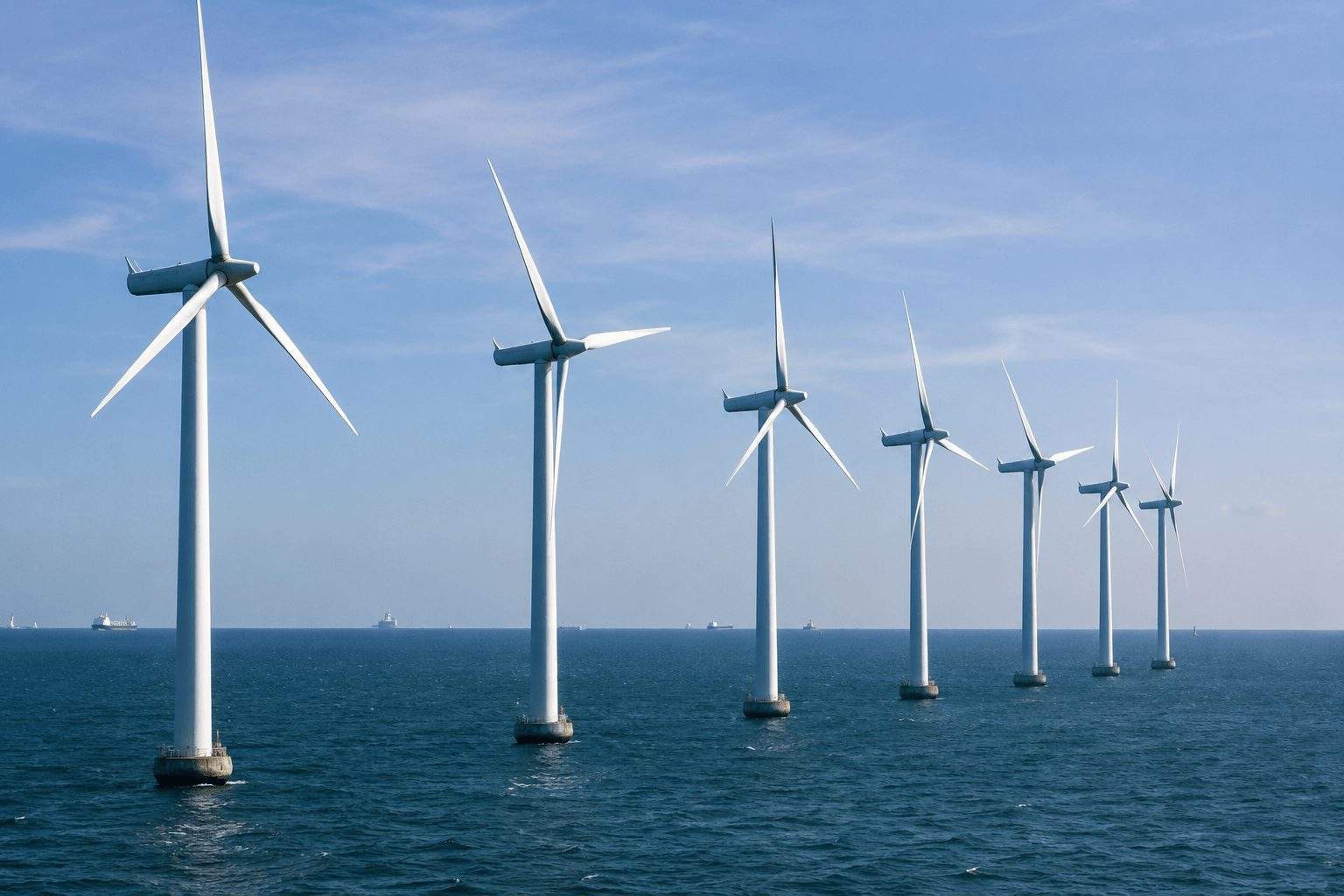
Trump officials said Wednesday they’ll pay Invenergy $765 million to cancel four offshore wind leases in the U.S. The move is their latest push to stop offshore wind projects and shift energy money to gas and geothermal.
This deal takes more federal offshore wind leases off the market with a government buyout. States in the Northeast, Mid-Atlantic and California are in the middle of trying to map out their power needs, grid stability and climate goals. The Associated Press says the new agreement brings spending on these deals to close to $2.6 billion.
Interior said Invenergy will end leases in the New York Bight, California’s Central Coast and the Gulf of Maine. The company plans to shift that money into gas plants in Indiana, Wisconsin, Iowa, Kansas and Missouri, and geothermal power projects in the West that tap underground heat.
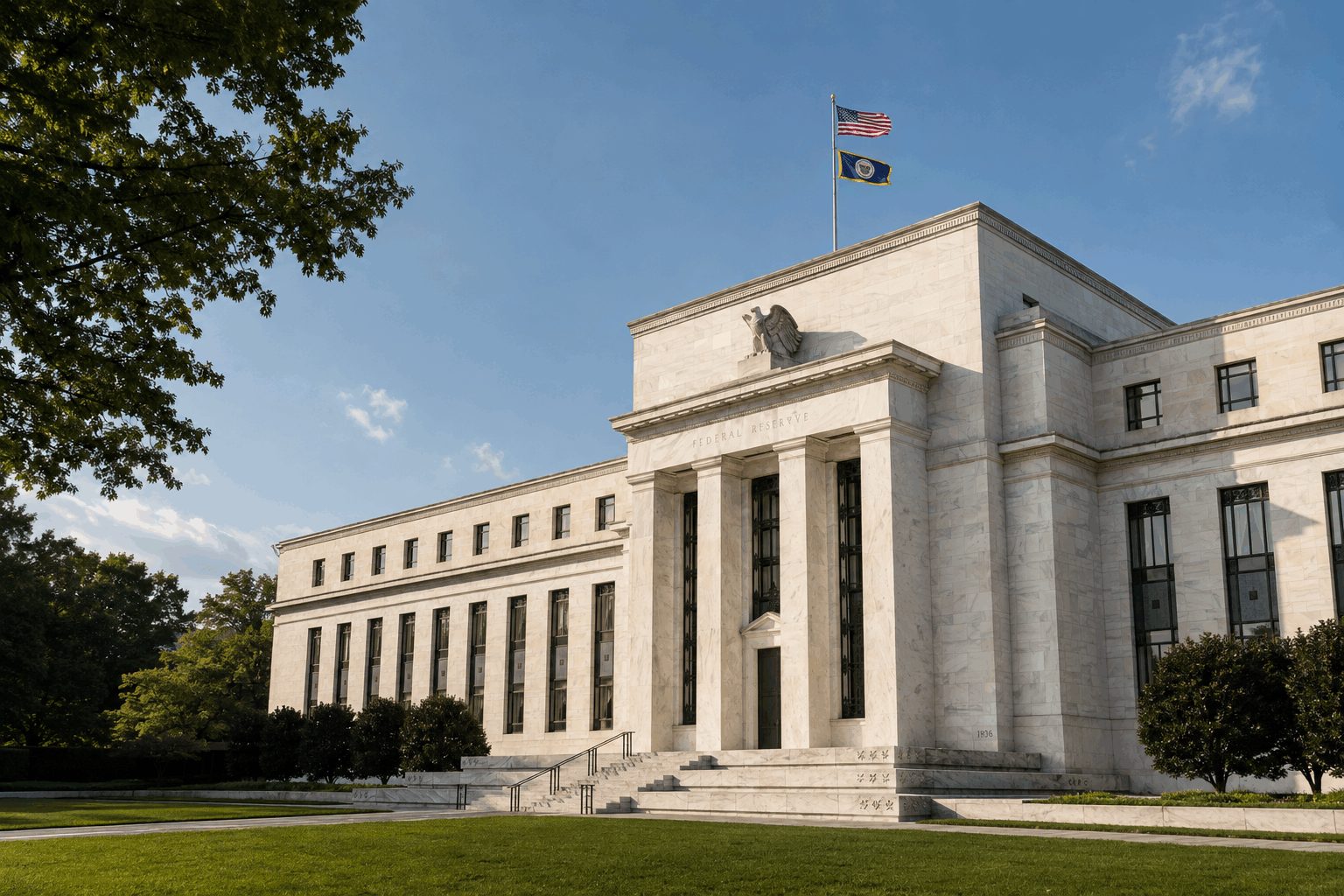
Interior Secretary Doug Burgum said the deal is a sign companies are moving to “dependable, secure energy infrastructure.” He also credited Invenergy for supporting “baseload power,” which means electricity that runs around the clock, not just when weather supports it. U.S. Department of the Interior
Invenergy, headquartered in Chicago, pitched the deal as a move to get capital into projects with faster timelines. Daniel Runyan, senior vice president for development, said Invenergy plans to invest in projects that can advance on a “commercially reasonable timeline” and “meet customer demand.” U.S. Department of the Interior
Leading Light Wind off New Jersey was the biggest lease, but Invenergy canceled it back in November, blaming trouble with supply chains, gear and vendors, AP said. The rest of the leases were for two floating wind sites in the Gulf of Maine and another floating project off California’s central coast.
Invenergy joins TotalEnergies, Golden State Wind, and Bluepoint Wind, which all struck similar deals earlier this year to drop offshore wind leases with reimbursement. TotalEnergies’ agreement applied to sites off North Carolina and New York. Golden State Wind and Bluepoint Wind agreed to exit leases off California, New Jersey, and New York.
But there’s legal risk. Seven U.S. states sued the administration this month, Reuters said, targeting another payment linked to TotalEnergies. The suit claims the government skipped required procedures and used a fund intended for legal settlements. Interior said its deal was reviewed by the Justice Department and cleared the right process.
Offshore wind backers said new projects aren’t filling the gap left by scrapped coastal capacity. Hillary Bright, Turn Forward’s executive director, said these buyouts weren’t “one-for-one swaps” and swapping out coastal offshore wind for gas or geothermal in other regions “does nothing to address” Northeast and Mid-Atlantic affordability or reliability issues. Reuters
Maine Governor Janet Mills, a Democrat, said the Invenergy buybacks could threaten work done on fisheries, energy diversity and jobs for years. She labeled the deal legally questionable and called it a “shortsighted decision” that might lead the state to use more “expensive fossil fuels.” AP News
Invenergy is still a big player in power projects, just not in offshore wind. AP said the company runs 14 natural gas plants and holds 45 geothermal leases over 144,000 acres. Its assets also include onshore wind, solar, and battery storage.
Trump moves away from offshore wind support; fight brews over settlements, gasThe next flashpoint is over settlement payments and whether the administration can keep using them to buy back wind leases. Gas and geothermal projects are now facing pressure to ramp up and replace the offshore wind power coastal states counted on. For now, the signal is clear—under Trump, federal support for offshore wind is fading, even for developers who already paid for seabed rights.
Related articles: Renewable Energy