Toronto, Jan 21, 2026, 10:43 EST
- Canadian and U.S. stocks fell on tariff and geopolitical headlines, reviving trade-war worries.
- Gold surged and materials shares held up better than tech-heavy parts of the market.
- Investors are weighing a bumpier inflation print against expectations the Bank of Canada stays on hold.
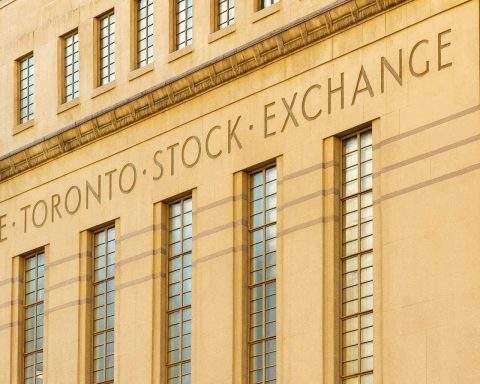
Canada’s main stock index dropped on Tuesday, posting its biggest decline in two months as investors digested fresh U.S. tariff threats tied to Greenland and jitters in Japan’s bond market. The S&P/TSX Composite ended down 340.68 points, or 1%, at 32,750.28, led by a near 4% slide in technology shares. Reuters
The move mattered because it hit after a strong start to the week that had pushed the benchmark to a record close, helped by metal miners riding a rush into gold. “With markets at near all-time highs, it’s not surprising to see volatility from time to time when risks emerge,” said Josh Sheluk, a portfolio manager at Verecan Capital Management. Reuters
It also landed just days before the Bank of Canada’s first rate decision of the year, with investors still parsing what a December inflation surprise means under the hood. “It does seem as if we’re levelling off there,” CIBC’s Andrew Grantham said, pointing to distortions from a temporary GST/HST tax break a year earlier; TD’s Leslie Preston said underlying inflation was getting “a lot closer” to the central bank’s 2% target. constructconnect.com
In New York, all three major indexes fell sharply, adding to the pressure on Canadian risk assets. The Dow dropped 870.74 points to 48,488.59, the S&P 500 lost 143.15 points to 6,796.86 and the Nasdaq sank 561.06 points to 22,954.32, while safe-haven metals jumped; “What happens here with Greenland has minimal impact to a U.S. company,” BMO Global Asset Management’s Sadiq Adatia said. CityNews Halifax
U.S. investors were reacting to President Donald Trump’s weekend comments, after markets were shut on Monday for Martin Luther King Jr. Day. Trump said new 10% import tariffs would start Feb. 1 on goods from Denmark, Norway, Sweden, France, Germany, the Netherlands, Finland and Britain, rising to 25% on June 1 until a deal is reached for the U.S. to purchase Greenland; the CBOE Volatility Index, a gauge of expected stock swings, jumped to its highest close since late November. “I’m not at the point yet,” Jamie Cox of Harris Financial Group said of whether the episode would trigger a broader correction. Reuters
The Canadian dollar strengthened alongside the broader retreat in the U.S. currency, trading around 1.3865 per U.S. dollar (about 72.12 U.S. cents) in Monday trade, after domestic inflation data and global risk moves hit FX markets. “I think the headline is what matters right now,” said Adam Button, chief currency analyst at investingLive, as traders priced the Bank of Canada holding its 2.25% policy rate next week. Reuters
Statistics Canada said the consumer price index rose 2.4% year-on-year in December after 2.2% in November, while prices fell 0.2% on the month. The agency said the year-on-year pickup was driven by base effects from the temporary GST/HST break in December 2024; excluding gasoline, inflation ran at 3.0%, with restaurant food prices up 8.5% from a year earlier and gasoline down 13.8%. Statistics Canada
The unease was not confined to North America. In London, the FTSE 100 fell 0.72% as investors weighed the same tariff threat, and Nuveen’s Laura Cooper said “Geopolitical tensions have dented sentiment and cooled early-year exuberance,” even as she argued they had not changed the broader growth and earnings outlook. Reuters
A big uncertainty is whether the tariff talk turns into policy, or fades back into negotiation. Traders have seen levies threatened, delayed and sometimes dropped before; a de-escalation would likely cool demand for gold and take some heat out of the “sell first, ask later” trade in tech and other high-valuation names.
For now, Canada’s market is stuck in an awkward place: inflation is not running cold enough to force rate cuts, but not hot enough to make a hike look urgent. That leaves the TSX taking its cues from geopolitics, global bonds and whatever comes next out of Washington, Ottawa and central banks.