
NEW YORK, March 23, 2026, 08:45 EDT
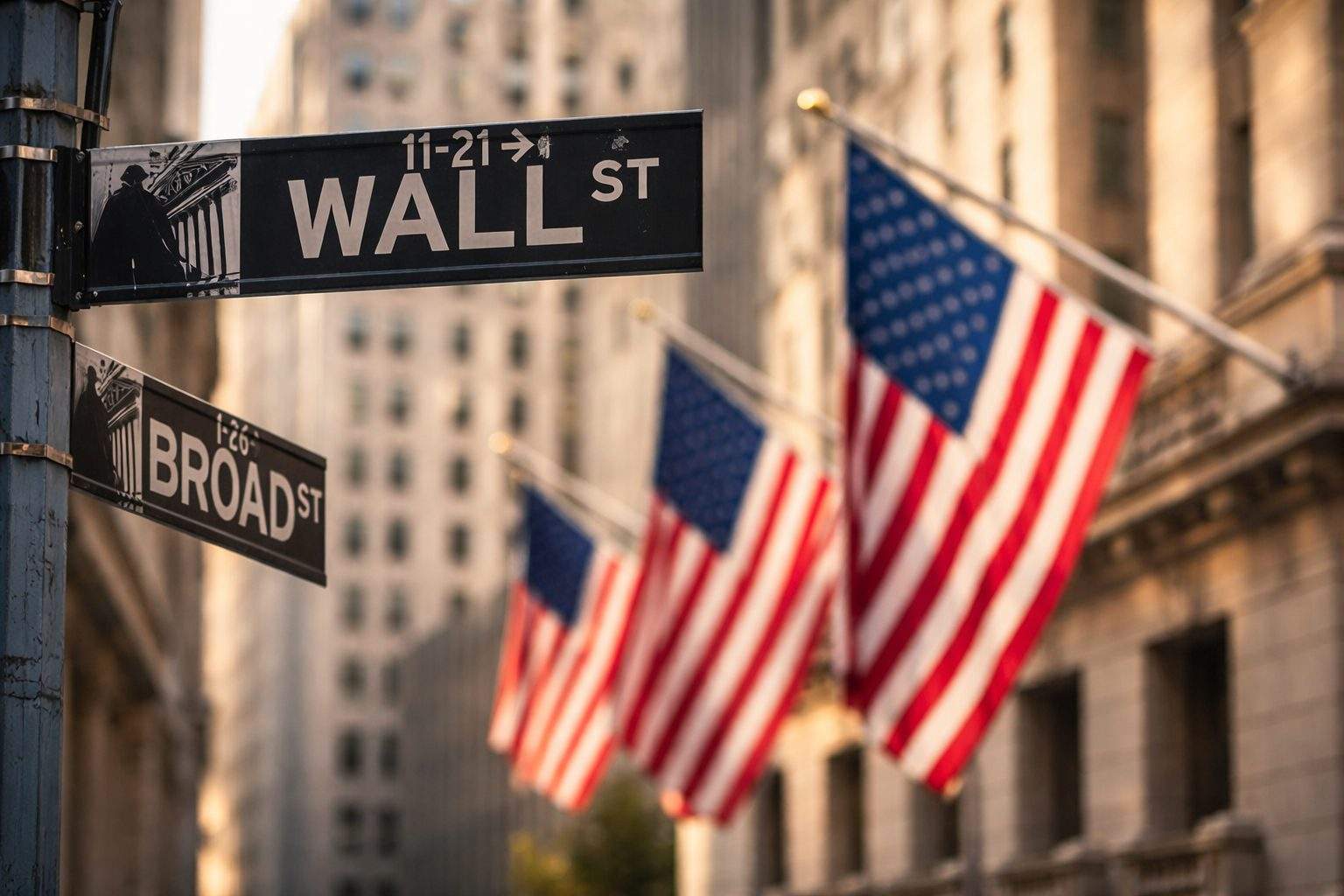
Stocks rallied Monday after President Donald Trump delayed strikes targeting Iranian power plants and its energy sector for five days, while oil prices tumbled. Trump pointed to “productive” talks with Tehran as the reason for the pause. Still, investors are left weighing an uncomfortable question: with actual energy supplies already disrupted by war, can the old playbook of snapping up every Trump-triggered dip still deliver? Reuters
This time, Wall Street’s so-called TACO trade—essentially, betting Trump would dial down his threats before any real fallout—wasn’t cushioning the blow. Normally, traders saw sharp selloffs fade quickly. Not now. Brent crude had already surged over 50% since Feb. 27, with the Strait of Hormuz still effectively closed to routine shipping. That’s the slender waterway moving about a fifth of the world’s oil and LNG.
Dow futures climbed 1.42% by early Monday in New York, with S&P 500 futures up 1.3% and Nasdaq 100 futures showing a 1.29% increase. Over in Europe, the STOXX 600 reversed an earlier drop of more than 2% to finish up 0.7%. Brent crude tumbled between 13% and 15% at its worst, hitting a session low of $96 a barrel, and U.S. crude touched $85.28 before clawing back some ground.
“It’s exactly what the market needed to hear” for traders to start repricing away from the worst-case, said Fiona Cincotta at City Index. Over at Mizuho, Evelyne Gomez-Liechti described the five-day pause as sparking “some sort of ‘TACO’ movement” in asset prices. For Elias Haddad of Brown Brothers Harriman, the bounce looked like a “knee-jerk reaction”—one that, he said, will only really count if de-escalation turns out to be the real deal. Reuters
But look past Monday’s bounce in equities—the physical side paints a bleaker picture. According to a Reuters analysis, crude futures have been baking in hopes of a quick reopening at Hormuz, despite the war knocking out at least 12 million barrels a day from global crude and refined product supplies. In Singapore, jet fuel prices surged to a record $225.62 a barrel on March 19.
That’s part of the reason the usual “buy the dip” playbook feels shakier. Jonathan Levin, a Bloomberg Opinion columnist, argued the TACO era in U.S. equities could be fading—pointing to the Iran war as a new geopolitical and economic tangle that won’t be quickly resolved. Bloomberg.com
The International Energy Agency is signaling that oil-market jitters aren’t just about trading positions anymore. Executive Director Fatih Birol said the agency has been in talks with Asian and European governments over possible further emergency crude releases, following that record 400 million-barrel stockpile drop on March 11. Still, Birol noted, such moves can only “reduce the pain.” He pointed to reopening Hormuz as the actual fix. Reuters
Refiners across Asia are responding as though the disruption isn’t going away soon. Sinopec—China’s state-run giant and the world’s top refiner—has announced it’s steering clear of Iranian crude, despite holding a temporary U.S. waiver. This month, the company is trimming throughput by 5%, asking to dip into government stockpiles, and stepping up Saudi cargoes from Yanbu on the Red Sea.
Sector-wide, the reaction played out quickly. Shares of Exxon Mobil, Chevron, and Occidental Petroleum slipped early as oil prices pulled back. Meanwhile, airlines and banks found some relief, catching a bounce as traders dialed down the sharpest inflation and recession wagers.
The risks haven’t disappeared. Iran’s Fars news agency reported no contact—direct or indirect—with Washington. Israel, for its part, claimed strikes on Tehran continued. Pepperstone strategist Michael Brown called this just the first tangible sign of a pullback, warning, “the war is not yet over.” Reuters
Since the U.S.-Israeli offensive kicked off on Feb. 28, Reuters says over 2,000 lives have been lost. For investors, the so-called TACO trade isn’t a sure thing—it’s more a bet that talks can clear the bottleneck at Hormuz before supply gaps cut the legs out from under the latest relief rally.
Related articles: Stock Market