
NEW YORK, May 15, 2026, 20:08 EDT
- U.S. stock ETFs traded lower late after the S&P 500, Dow, and Nasdaq all lost more than 1%.
- Oil prices and Treasury yields both surged, shaking up Fed-rate bets and putting pressure on high AI-stock valuations.
- Berkshire’s filings on Delta and Macy’s grabbed attention after the bell. Chip stocks remained under pressure.
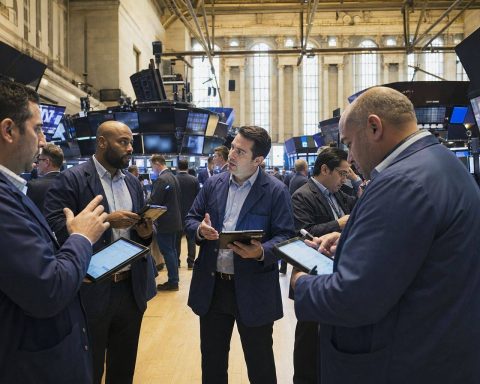
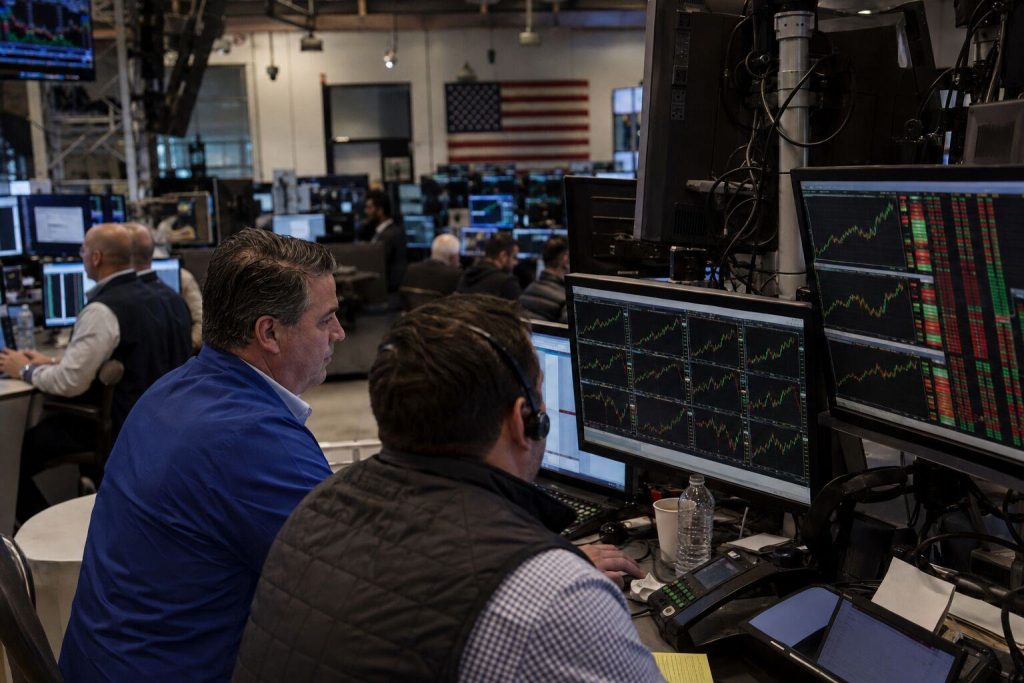
U.S. stock ETFs slipped further in Friday’s after-hours session, deepening the day’s Wall Street decline. Higher oil prices, a jump in Treasury yields, and fresh Fed rate worries pressured the market’s top tech names.
SPDR S&P 500 ETF dropped 0.25% after hours, Investing.com’s data showed. The Invesco QQQ Trust, which tracks the Nasdaq 100, lost 0.34%. Dow ETF eased 0.18% and iShares Russell 2000 ETF dipped 0.28%. Nvidia, Microsoft, Apple, Micron and Tesla all traded lower after the close in light volume.
Stocks had surged to new highs this week as AI bets grew, but Friday’s reversal hit hard. The S&P 500 and Nasdaq had closed at records before losing ground, with those gains undone as higher borrowing costs started to weigh on expensive names.
Dow Jones closed down 537.29 points, or 1.07%, at 49,526.17. The S&P 500 slid 92.74 points, or 1.24%, to end at 7,408.50. The Nasdaq lost 410.08 points, or 1.54%, to 26,225.15. The S&P 500 still managed its seventh weekly gain, but the Nasdaq broke a six-week run.
Selling picked up but didn’t turn into a panic. Bond yields ticked higher as oil’s bounce added to worries about inflation. Reuters said the 10-year Treasury yield hit 4.597%. The 30-year yield was at 5.122%. U.S. crude settled 4.2% higher at $105.42 a barrel. Brent ended up 3.35% at $109.26.
Kenny Polcari at Slatestone Wealth told Reuters the market had “gotten way ahead of itself” and was caught up in a “momentum AI trade.” Chip stocks dropped sharply. The Philadelphia SE Semiconductor Index lost 4%. Nvidia fell 4.4%, AMD dropped 5.7%, and Intel slid 6.2%. Reuters
Microsoft moved up during regular trading. Bill Ackman’s Pershing Square took a new stake in the company and sold its Alphabet position to make room. Ackman called Microsoft’s valuation “highly compelling.” Matt Britzman at Hargreaves Lansdown said the move lined up with his belief that Microsoft could see a re-rating. Reuters
Berkshire Hathaway was back in the after-hours headlines with a filing showing a new $2.65 billion Delta Air Lines position, a small Macy’s stake, and it cut smaller holdings like Amazon, UnitedHealth, Visa and Mastercard. Delta shares were up 3.3% and Macy’s added 6.3% post-market, Reuters said.
Fed rate outlook weighed too. Investors put about 60% odds on the Fed’s benchmark rate rising by 25 basis points by the January meeting, according to CME FedWatch and Reuters. A basis point is one-hundredth of a percentage point.
Prediction markets sent a comparable but not exact read. On Polymarket, odds for zero Fed rate cuts in 2026 priced at 67%. Traders gave a 32% chance to a Fed rate hike sometime this year. Over at Kalshi’s Federal Reserve page, odds for a hike before 2027 stood at 25% and 39% before July 2027. These numbers are bets from traders, not forecasts by banks.
Geopolitics are in play too. According to Polymarket’s economy page, just a 6% chance is priced in for Strait of Hormuz traffic to be back to normal by the end of May, and 30% for the end of June. Traders are not betting on a fast resolution to the oil-supply shock.
Bears face the chance that after-hours swings might not stick by Monday, particularly if oil prices drop or shipping fears ease over the weekend. Bulls, though, have a straightforward risk. If crude and yields remain elevated, investors could keep backing away from pricey AI stocks and small caps. The Russell 2000 dropped 2.4% on Friday.
The market isn’t chasing records at this point. Instead, traders are watching rates. It’s a softer tape, with Monday’s open looking less about earnings and more about moves in oil, bonds, and whatever signal comes next from the Fed.
Related articles: NASDAQ:NVDA