
NEW YORK, August 28, 2026, 18:00 (EDT).
- After-hours index ETFs stayed within 0.03% of their regular closes at 18:00 EDT.
- The Nasdaq had closed down 0.52%, while the Russell 2000 lost 1.4%.
- Technology lagged as Marvell, Nvidia and Intel declined.
U.S. equity benchmarks held near their closing levels through 18:00 EDT. Thin after-hours trading did not extend Friday’s technology-led selloff.
The S&P 500 ended 0.25% lower at 7,711.76. The Nasdaq Composite lost 0.52% to 26,402.42. The Dow slipped 0.02% to 53,559.99 closing levels.
Small caps carried the heavier burden. The Russell 2000 fell 1.4% to 2,972.37 as higher Treasury yields tightened financial conditions.
| Exposure | Regular session | After-hours to 18:00 EDT | 17:00–18:00 EDT |
|---|---|---|---|
| S&P 500 / SPY | −0.25% | −0.03% | Stable; no verified move beyond 0.04% |
| Nasdaq / QQQ | −0.52% | −0.02% | Stable; no verified move beyond 0.04% |
| Dow / DIA | −0.02% | +0.01% | Stable; no verified move beyond 0.04% |
| Russell 2000 / IWM | −1.40% | +0.03% | Stable; no verified move beyond 0.04% |
The final hour of the aftermarket was quiet. Public snapshots showed all four index ETFs within four basis points of their regular closes. Exact 17:00 prints were not available from the source.
Federal Reserve Chair Kevin Warsh supplied the macro catalyst. His inflation warning pushed the implied probability of a September rate increase toward 58% market report.
Technology was the weakest major group. The XLK sector ETF lost 1.55%. Communication services gained 1.41%, while energy advanced 0.60%.
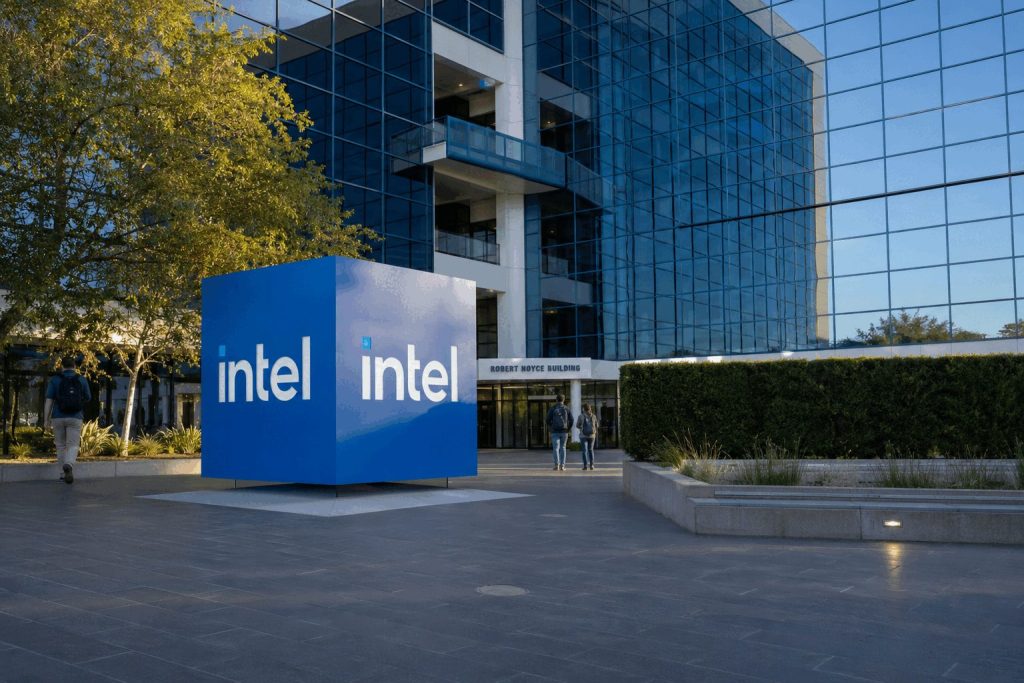
Marvell fell 10.3% after its outlook failed to clear elevated expectations. Nvidia dropped 4.6%. Intel lost 2.8% as investors reduced chip exposure.
PayPal declined 12.7% after a takeover pursuit reportedly ended. Gap gained almost 13%, and Workday rose 5.8% following stronger operating updates Reuters.
Breadth confirmed the defensive tone. Decliners led advancers by 1.77-to-1 on the NYSE. Nasdaq decliners outnumbered gainers 3,272 to 1,494.
U.S. exchange volume reached 15.68 billion shares. That was close to the 20-day average of 15.8 billion, leaving little evidence of panic selling.
Next watch: Monday’s premarket will test whether stable index ETFs can contain the chip selloff. Treasury yields and rate-hike expectations remain the main transmission channels.
Related articles: NASDAQ:MRVL