LONDON, Jan 3, 2026, 17:25 ET
- U.S. forces struck Venezuela and captured President Nicolas Maduro; Trump said an oil embargo was “in full effect”.
- Sources said Venezuela’s crude exports have stalled, setting up a test for oil prices and London-listed energy shares when markets reopen.
- Investors will weigh whether disruption is short-lived or turns into a longer squeeze on supply.
U.S. forces struck Venezuela and captured President Nicolas Maduro on Saturday, an escalation Washington paired with an oil embargo that a separate report said has left the country’s crude exports paralyzed. Reuters
The shock lands after Brent crude, the global benchmark used to price much of Europe’s oil, settled at $60.75 a barrel on Friday, after oil’s biggest annual loss since 2020. Reuters
That low-$60 starting point matters for UK oil stocks because it reflects a market that entered 2026 focused on oversupply, not war risk. Traders often call the extra dollars added for disruption fears a “geopolitical premium,” plain shorthand for insurance against barrels going missing.
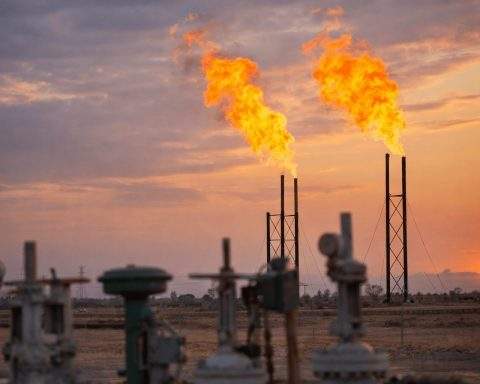
Venezuela’s state-run oil production and refining were operating normally and suffered no damage from the U.S. strike, two sources with knowledge of PDVSA’s operations told Reuters, even as U.S. measures and tanker diversions tightened exports. Reuters
For London-listed energy shares, the fastest transmission channel is crude itself. Higher Brent typically lifts cash flow for producers, while a lower price squeezes earnings and narrows room for dividends and buybacks.
That tends to make oil-price sensitivity sharper for upstream-heavy names such as Harbour Energy than for integrated majors. Groups such as BP and Shell also have large refining and trading businesses that can soften the swing, depending on margins and hedging.
One scenario is a sharp, short-lived jump in crude when futures reopen, followed by a fade if export approvals restart and cargoes move again. In that case, early gains in oil shares may prove fleeting, and broader risk sentiment could steer the session.
Another path is that the embargo and shipping freeze drags on long enough to force PDVSA to curb output because storage fills. That would remove supply at a time when investors were already on alert for sanctions-driven dislocations, supporting Brent and likely keeping UK oil shares bid.
A longer-horizon outcome cuts the other way, even if it takes time. Venezuela holds about 303 billion barrels of reserves and produced around 1.1 million barrels per day on average last year, Reuters reported. “History shows that forced regime change rarely stabilises oil supply quickly,” said Jorge Leon, head of geopolitical analysis at Rystad Energy. Reuters
Trump has said U.S. oil companies would invest billions to revive Venezuela’s industry, while keeping an embargo in place in the meantime, according to a Reuters report. Analysts cited in that report said rebuilding the sector would require years and major capital, limiting any near-term supply relief. Reuters
Investors in London will watch whether the disruption stays focused on Venezuela or spills into broader shipping and diplomatic fallout that feeds into oil and wider equities. Early clues will come from tanker-tracking updates, port clearance signals and any fresh statements from PDVSA and partners.
For now, the market’s first verdict on BP, Shell and their UK-listed peers will hinge on the opening move in Brent — and whether a weekend geopolitical shock can overwhelm a supply-glut narrative that dominated oil trading into the new year.