
New York, Jan 20, 2026, 13:27 EST — Regular session
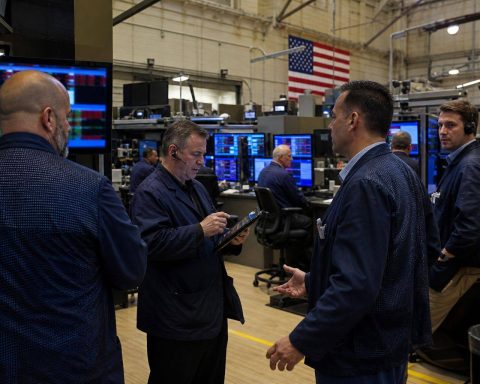
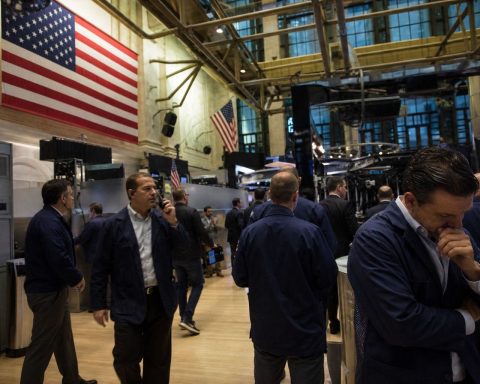
Uber Technologies (UBER.N) shares slipped roughly 2% on Tuesday as U.S. stocks tumbled amid fresh tariff threats from President Donald Trump, pushing investors toward risk aversion. The stock dropped $1.67 to $83.18 in early afternoon trading, after hitting a low of $82.38. Meanwhile, the SPDR S&P 500 ETF and Invesco QQQ each fell about 1.5%. Wasif Latif, chief investment officer at Sarmaya Partners, described it as a “pretty significant risk off day.” Reuters
The ride-hailing and delivery giant is facing a new analyst revision. Justin Patterson at KeyBanc trimmed his Uber price target to $105 from $110 but maintained an Overweight rating. He noted that “Rideshare stable while delivery adoption is growing.” The cut came amid a more cautious valuation multiple, tied to “AV uncertainty” — a nod to the changing economics of autonomous vehicles, or self-driving cars. StreetInsider.com
Regulation is back in focus. An Israeli ministerial committee gave the green light to a bill that would permit shared ride-hailing services like Uber and Lyft to operate in Israel. The Transportation Ministry said this could boost supply and bring down fares, though the bill still requires full parliamentary approval. Transportation Minister Miri Regev dubbed it a “historic step,” despite resistance from taxi groups. Reuters
Uber’s stock frequently acts as a barometer for two tricky questions: just how resilient ride demand remains if consumers cut back, and how profitable delivery can get when growth tapers off.
The KeyBanc note drew on survey data showing steady ride usage and growing adoption in food and grocery delivery, though it urged caution on valuations amid expanding self-driving initiatives. It referenced EV/EBITDA — a typical metric comparing a company’s total value to its operating profit — within its analysis framework.
Lyft (LYFT.O), Uber’s nearest U.S. competitor, slipped roughly 1.7% during the session. DoorDash (DASH.O), a key player in U.S. delivery, saw a slight uptick.
There are plenty of ways this could go sideways. A broad risk-off selloff tends to hammer high-multiple stocks. Any delays in new-market launches or stricter safety and insurance rules could push costs higher. On the autonomy side, the downside is straightforward: if self-driving networks expand quicker than anticipated, they could compress the take rate—the cut platforms earn from each ride.
Investors are eyeing Feb. 4 as Uber prepares to release its fourth-quarter and full-year earnings. Market watchers will focus on gross bookings—that’s the total value of rides and deliveries—and closely analyze margin details along with any shifts in the company’s guidance approach.