
NEW YORK, May 19, 2026, 18:03 EDT
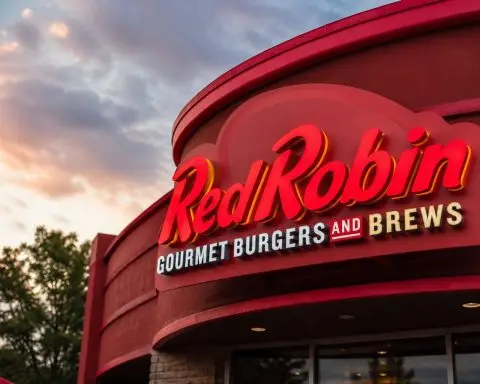
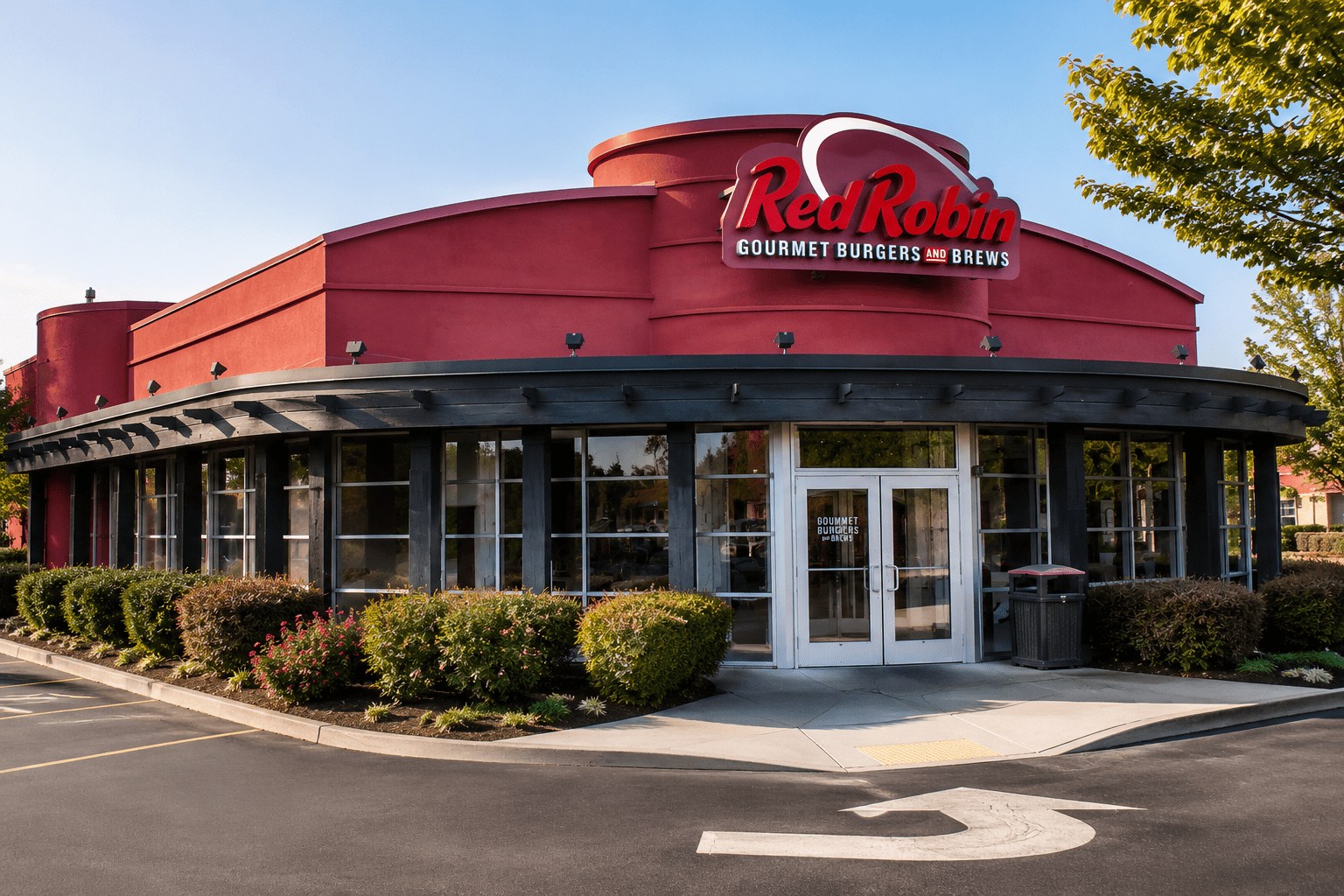
Red Robin Gourmet Burgers shares rose in after-hours trading Tuesday. The burger chain beat analysts’ revenue estimates and reaffirmed its 2026 outlook. Still, first-quarter sales and traffic both declined from last year.
The stock finished the regular Nasdaq session at $3.85, gaining 2.7%. After hours, shares traded at $4.45, up 15.6%, according to Webull at 18:03 EDT. Regular session volume hit 2.98 million shares, much higher than the recent average on the same market-data page.
Red Robin is still a small-cap with valuation at about $69.8 million at the close. That keeps the shares reactive to early evidence that value deals, traffic pushes, and cost cuts are sticking.
Red Robin posted first-quarter revenue of $378.3 million, down from $392.4 million a year ago. Net loss came in at $2.2 million, or 12 cents a share. Adjusted EPS was 13 cents. The Fly, via TipRanks, noted revenue topped the $362.14 million consensus estimate.
Red Robin Gourmet Burgers, Inc. said comparable restaurant revenue—covering company-run locations open at least 18 months and not counting deferred loyalty revenue—slipped 0.6%. Guest traffic was off 1.6%. Average check per guest was up 1.0%.
Red Robin CEO Dave Pace said the company saw “continued progress in traffic trends and restaurant-level profitability.” Pace cited its First Choice plan, the new menu, and targeted marketing as key parts of that. He also said the Big Yummm value platform helped boost guest engagement. Red Robin Gourmet Burgers, Inc.
Margins ticked higher and caught investors’ attention. Restaurant-level operating profit margin was up 50 basis points at 14.8%. That figure strips out corporate costs. A basis point equals one-hundredth of a percentage point.
Red Robin’s adjusted EBITDA fell 2.1% to $27.3 million. The company blamed higher marketing spending, which was only partly offset by reduced general and administrative expenses.
Red Robin Gourmet Burgers, Inc. kept its fiscal 2026 guidance unchanged. The company is still looking for comparable restaurant revenue growth between 0.5% and 1.5%, restaurant-level operating profit near 13%, and adjusted EBITDA of $70 million to $73 million. Expected capital spending stays in the $25 million to $30 million range.
Red Robin is “maintaining the full year guidance for 2026,” CFO Mark Graff said on the earnings call, noting the outlook excludes any impact from the company’s tactical refranchising efforts. CEO G.J. Pace told analysts Red Robin is in final talks with several possible franchisees and plans to put any proceeds from refranchising toward paying down debt. The Motley Fool
Rivals aren’t idle. Late last month, Brinker International said Chili’s same-store sales were up 4.0% last quarter, crediting menu innovation, value deals and ads. BJ’s Restaurants showed 2.4% comps growth, driven mostly by a 2.2% bump in guest traffic. Red Robin’s drop in traffic stands out as something it needs to fix.
Risks are still out there. Red Robin reported a net loss and a drop in comparable sales, as traffic slipped. Margin gains could get hit if its value deals fail to pull in enough guests. Graff said about 60% of 2026 commodity needs are locked, but beef and dairy mostly aren’t hedged yet—that could keep food costs volatile.
Red Robin Gourmet Burgers, Inc. wrapped up the quarter with $175.7 million drawn on its credit facility and had around $40.8 million in liquidity, counting both cash and what was left to borrow. Shares moved sharply after the bell. The next thing to watch is if Wednesday’s trading keeps that move going.