
LONDON, June 25, 2026, 09:18 (BST)
- UK comprehensive motor premiums edged up 1% to £719 over March-May. It’s the first quarterly rise in over two years.
- Northern Ireland jumped 8% to £1,020, the biggest regional gain and the first time it’s cleared £1,000 since December 2023.
- The real problem for investors isn’t the £8 increase. Premiums remain 5% down from last year, but repair and claims costs are going up.
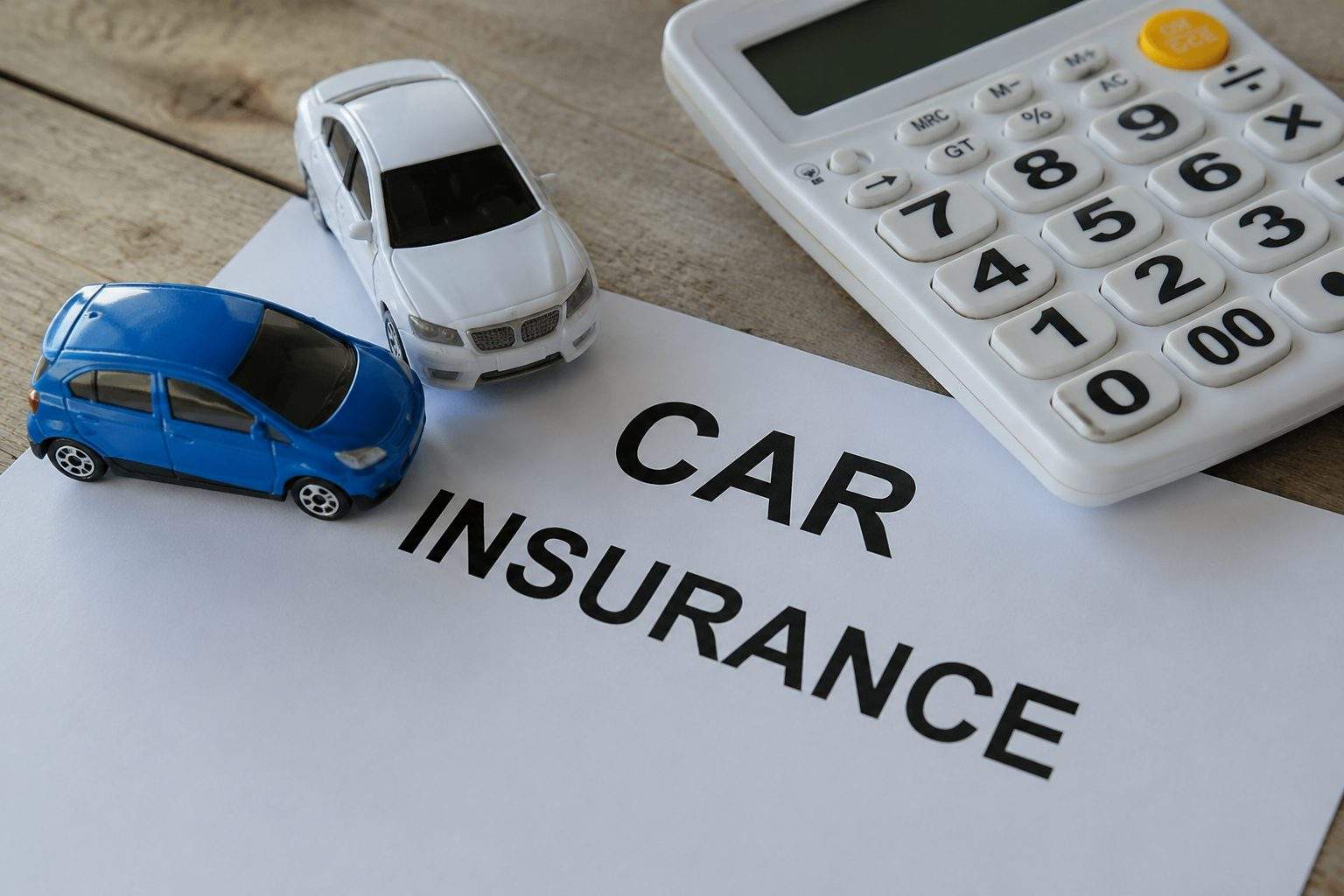
LONDON, June 25 (Reuters) – Car insurance prices in Britain have started to rise again, ending a two-year slide. For investors in Admiral Group (LON:ADM), Aviva (LON:AV), and Sabre Insurance Group (LON:SBRE), it looks like the motor market has found its pricing floor even as claims inflation remains a risk.
Car insurance costs ticked up again, as the average comprehensive motor policy climbed 1%—that’s £8—to £719 for the three months through May, numbers from the Confused.com Car Insurance Price Index and Willis Towers Watson NASDAQ:WTW show. The index is based on over 6 million quarterly quotes. Prices had dropped nine quarters in a row after peaking at £995 in December 2023.
Car insurance premiums are still running 5% lower than a year ago, or £38 down, but new figures flag a margin squeeze as well as a price rise. Premiums climbed in three out of the first five months of 2026—February, April and May. WTW’s Tim Rourke said “underlying claims cost pressures have not gone away,” pointing to repair cost inflation, vehicle complexity, supply chain problems and credit hire. Actuarial Post
Northern Ireland stood out, with average premiums up 8%, or £73, over three months to £1,020. That’s the sharpest regional jump and the first time above £1,000 since December 2023. Inner London was the only region to see a drop, slipping 0.4% to £1,088. Prices in the West Midlands barely changed, ticking up 0.1% to £860.
For insurers on the public markets, that spread is a key issue. A 1% national increase can mask much larger swings in regions hit by claims, theft or rising repair and distribution expenses. It also leaves earnings risk hinging more on each firm’s book mix, renewal schedules, and how quickly an insurer can move rates up without losing drivers to comparison sites.
Costs are rising for UK motor insurers. The Association of British Insurers said payouts hit £2.9 billion for claims in the first quarter of 2026, with £1.9 billion spent on vehicle repairs. That’s a 3% jump over the last quarter. Average accidental damage claims climbed 8% to £3,699. “The sustained high costs of repairs continue to be a concern,” ABI director Chris Bose said. ABI
Confused.com said its claims figures tell a similar story. It reported a 42% jump in the average paid-out claim from 2020 to 2025, up from £3,842 to £5,464. Damage claim payouts more than doubled to £4,990. Theft claims increased 64% to £18,123, while fire payouts almost doubled to £12,799.
Shareholders are watching the new price index for a reason. Oxbow Partners is projecting UK motor insurance market profit to drop to about £1.3 billion by 2026, down from what’s expected to be around £2 billion in 2025, as earned premiums slip but claims keep going up. The firm also sees the combined ratio moving up to 95% this year, from 89% in 2025.
Aviva, which wrapped up its Direct Line deal in July 2025, is now bigger as rate conditions shift. In a May trading update, Aviva reported general insurance premiums up 19% to £3.4 billion for Q1. UK and Ireland personal lines jumped 59%, with a lift from the Direct Line unit. The company said it expects to keep its UK and Ireland general insurance combined operating ratio under 94% in 2026.
Sabre is pushing pricing harder. In a May update, the motor insurer reported gross written premium up more than 15% to £76.3 million for the first four months of 2026. Motor vehicle premium gained more than 18%. Chief Executive Geoff Carter said gross written premium was “materially ahead of last year” but said competition stayed tough. Investegate
Admiral is starting the next phase with higher profits, but that sets a higher bar. The group said UK motor insurance topped £1 billion profit in 2025, citing earlier pricing and more customers. If market rates edge up slowly and repair bills stay high, investors will look for how much of the profit comes from the cycle and how much can stick.
Confused.com CEO Steve Dukes said the “window is narrowing” for drivers looking for lower prices. Insurers face their own window—the 2026 earnings test. The question there is if they can raise motor rates quickly enough to keep up with the costs of repairs, credit hire, and parts, without losing volumes to competitors.
Related articles: Stock Market