
London, April 16, 2026, 11:25 BST
The FTSE 100 edged up roughly 0.2% to 10,579 by Thursday morning, lifted mostly by gains in mining and financial shares as optimism for dialogue between Washington and Tehran calmed nerves. The mid-cap FTSE 250 outperformed, too. Shares of Morgan Sindall popped, while easyJet slipped on a downbeat outlook for bookings and fuel expenses.
London’s rebound carried weight after the FTSE 100 shed 0.5% on Wednesday—its sharpest single-day slide in over a week. Early earnings reports started trickling in, laying bare how the Middle East conflict is carving up sectors: builders and miners catching a lift, while airlines and consumer names took a hit.
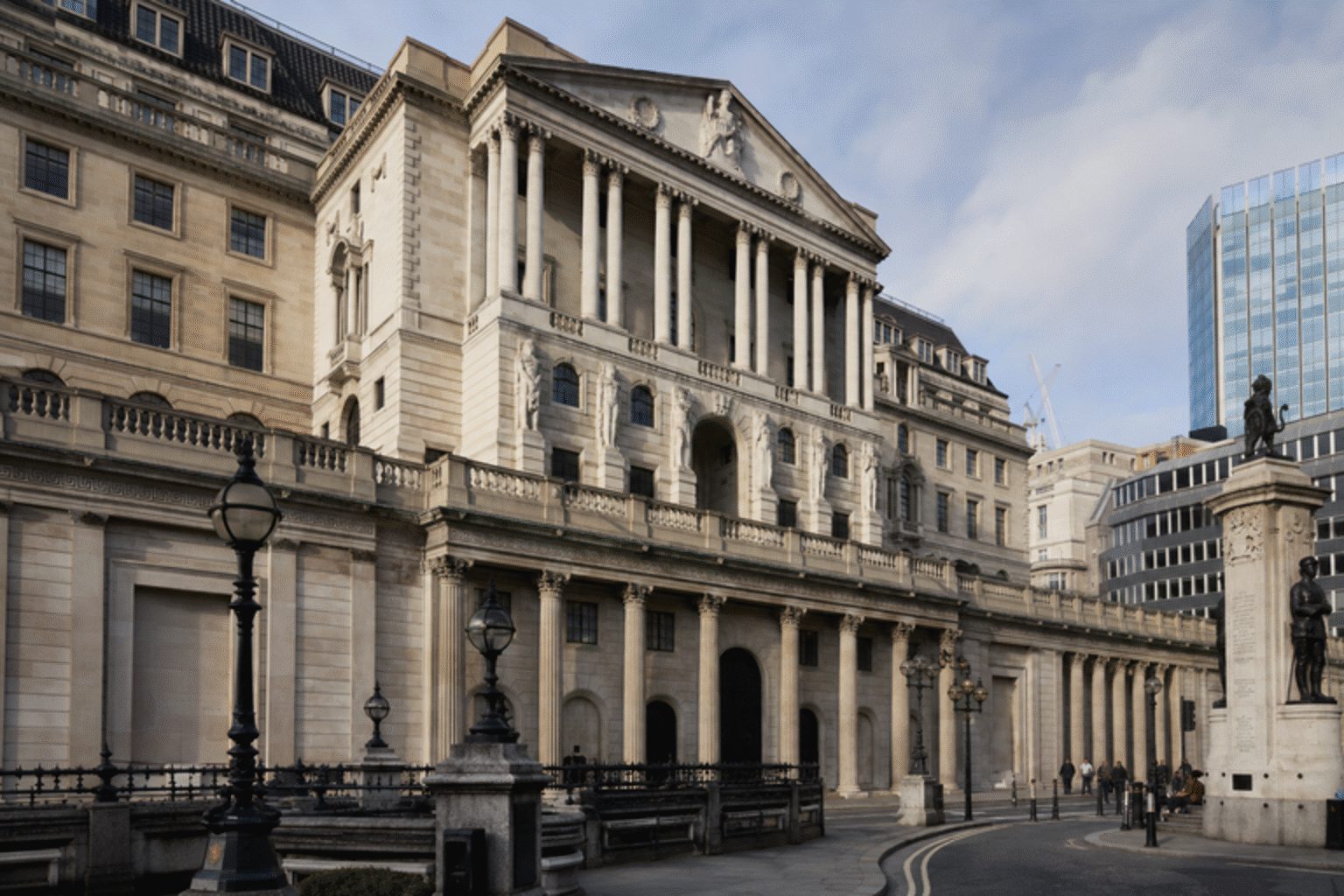
Traders found new footing after domestic numbers landed. UK GDP rose 0.5% in February, beating the 0.2% consensus from a Reuters poll, lifted by gains in both services and production. Bank of England Governor Andrew Bailey cautioned that officials are “not going to rush to judgements” on rates while the energy shock still moves through the system. Office for National Statistics
London edged higher, though nothing dramatic—more a slight lift than a surge by European standards. The pan-European STOXX 600 ticked up just 0.1%. IG’s chief markets analyst Chris Beauchamp pointed out that investors have favored European equities for their “lower valuation and still decent fundamentals”. But lately, he said, the headwinds from higher energy costs in the region are starting to tip the scales. Reuters
Early on, Rio Tinto, Anglo American and 3i led the gainers. Flutter, Rentokil and London Stock Exchange Group slipped, suggesting traders were selective instead of diving broadly into shares.
Morgan Sindall stood out among mid-caps. The builder reported that profit before tax for 2026 is now set to come in “significantly ahead of previous expectations,” citing strong performance from its Construction and Fit Out segments. Average daily net cash reached 445 million pounds between Jan. 1 and April 14. Investegate
Tesco shares climbed, despite the retailer cautioning that the Iran war has muddied its outlook. The U.K.’s top supermarket is projecting adjusted operating profit to land between 3.0 and 3.3 billion pounds for 2026/27, compared to 3.152 billion pounds last year. “Careful and conservative guidance,” is how Bernstein’s William Woods put it. CEO Ken Murphy, for his part, said Tesco isn’t facing supply-chain disruptions “at this point”. Reuters
easyJet slipped after the airline reported weaker summer bookings compared to last year, projecting a first-half pre-tax loss in the range of 540 million to 560 million pounds—well above the 394 million pounds lost a year ago. CEO Kenton Jarvis pointed to “a later booking window.” Wizz Air had already warned of a 50 million euro impact, and Ryanair shares were also down. Reuters
Ashmore shares slipped after the firm disclosed $900 million in net outflows for the quarter—evidence that risk appetite hasn’t returned to some corners of the market. CEO Mark Coombs blamed geopolitical tensions for disrupting the macro tailwinds that had been supporting emerging markets, though he noted price moves had stayed relatively contained.
The rebound faces a clear threat. The IMF, slashing its 2026 UK growth outlook to 0.8% from 1.3% this week, flagged inflation peaking near 4%. National Institute economist Fergus Jiminez-England added that February’s momentum may have vanished after the latest energy shock “pulled the rug.” Reuters
Another batch of updates is just around the corner. Traders are eyeing UK firms to see if others follow easyJet and Tesco in citing conflict-related uncertainty, or if robust reports from sectors like construction can keep London’s markets on the front foot.