London, Feb 19, 2026, 08:07 GMT — Regular session
- Unilever ticked up 0.04% to 5,330 pence early in the London session.
- Unilever, which makes Dove and Hellmann’s, has announced a five-year deal with Google Cloud aimed at tapping AI, data, and marketing tools.
- Broker calls lately have shifted toward valuation, a reaction to the stock’s rapid climb.
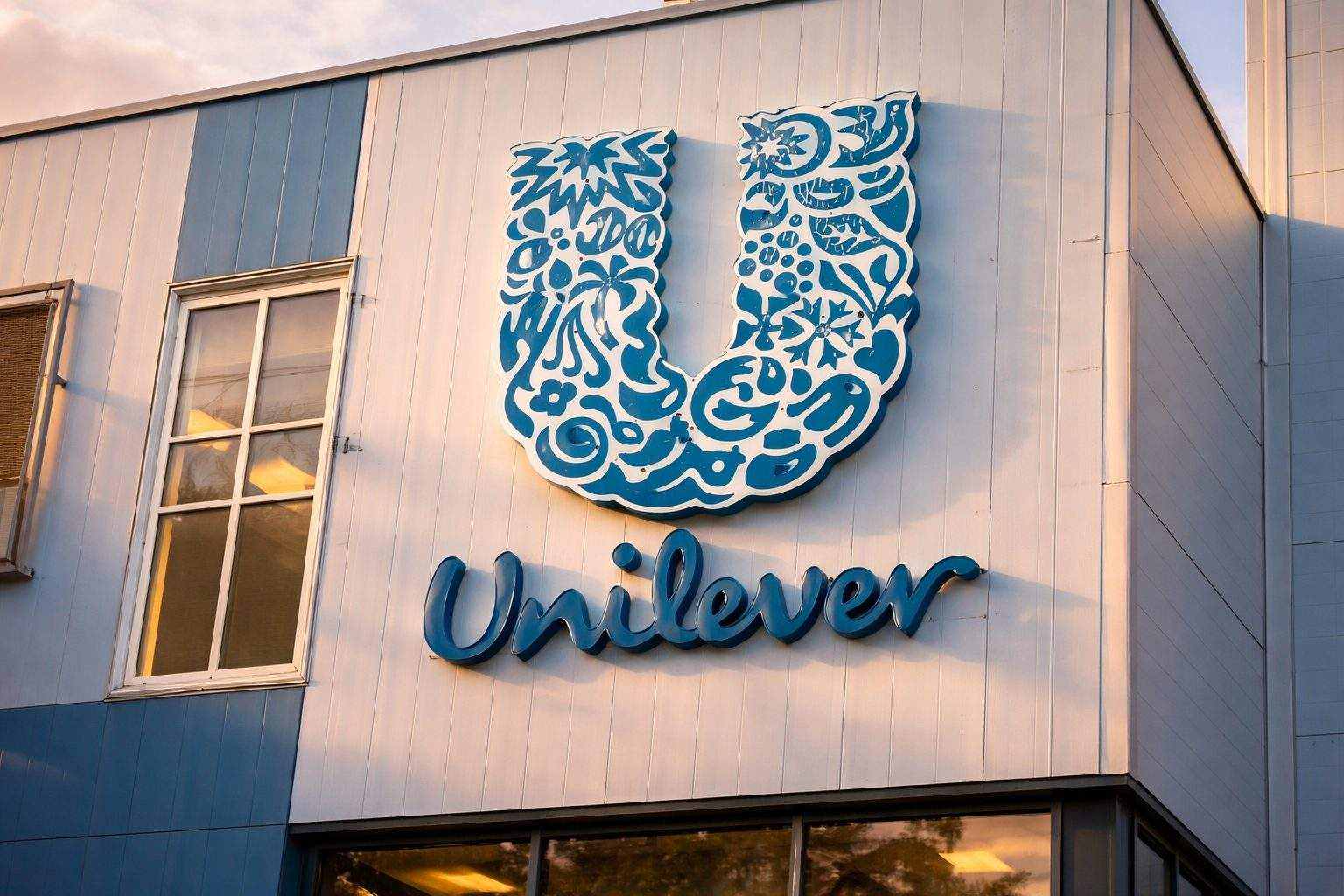
Unilever (ULVR.L) nudged up in early London trade, with shares gaining 0.04% to 5,330 pence by 0807 GMT—just above Wednesday’s 5,328 finish. The move came as the market weighed the group’s latest tie-up with Google Cloud along with signals of caution from some analysts. The stock crossed between 5,321.00 and 5,365.60 so far. Google
That modest shift doesn’t tell the whole story—there’s a sharper debate simmering over Unilever: can the company’s tech ambitions and higher-end product lineup keep producing results, or will costs catch up? Shares remain close to their 52-week highs, so there’s little margin for error here.
The company’s push into data, e-commerce, and fatter-margin sectors comes as competitors hunt for the same shoppers. Investors are watching closely to see if this next wave of “simplification” actually lifts earnings—or simply drives up costs.
This week, Unilever announced it’s entering a five-year deal with Google Cloud, aiming to ramp up transformation efforts through Google’s AI and data offerings—Vertex AI included—and to develop new “agentic” capabilities for marketing and commerce. “Technology has moved to the core of value creation at Unilever,” said Chief Supply Chain and Operations Officer Willem Uijen. Google Cloud’s Tara Brady added that the partnership will see the rollout of models “such as Gemini.” Unilever
Put simply, Vertex AI serves as Google’s AI platform for businesses. “Agentic workflows” refers to AI setups that handle complex, multi-step tasks mostly on their own—think beyond chatbots, edging toward AI assistants actually getting the work done.
Unilever’s India arm announced plans to pour as much as 20 billion rupees ($220.54 million) into ramping up manufacturing in fast-growing premium segments over the next two years, pointing to mounting margin pressures as rivals crowd the field. Consultant Akshay D’Souza noted that the rise of direct-to-consumer (D2C) models—brands going straight to customers online—has unleashed “a large flurry of D2C brands” in personal care, pushing incumbents to revisit their portfolios and pursue higher-margin opportunities. Reuters
Some analysts think the market has already factored in much of Unilever’s turnaround. This week, Kepler Cheuvreux downgraded the stock to hold from buy, though it bumped the target price up to 5,900p. Analyst Karel Zoete cited limited short-term upside after shares rallied sharply. “Risk-reward is better balanced after the rerating,” he said, and noted the stock now trades above its long-term average on EV/EBITDA, which measures a company’s enterprise value against operating cash profit. Investing.com UK
Berenberg dialed back its stance on the stock, dropping it to hold and nudging the price target up to 58.40 pounds. The bank also cut its 2026 EPS estimate by 1.4%, now projecting 3.15 euros. According to Berenberg, Unilever is trading at a premium compared to global staples like Nestlé and Procter & Gamble. The broker flagged that with less upside left from productivity gains, future performance will depend more on execution and how the competition plays out. Investing.com
The near-term picture remains murky. Margins may not reflect AI partnerships or cloud migrations right away, and there’s still the possibility that heavier competition leads the company to ramp up promotions or slash prices in important segments.
Looking ahead, the dividend schedule stands out: Unilever’s most recent Q4 2025 dividend comes in at £0.4052 for each ordinary share. Shares go ex-dividend Feb. 26, with the payout landing April 10. Unilever