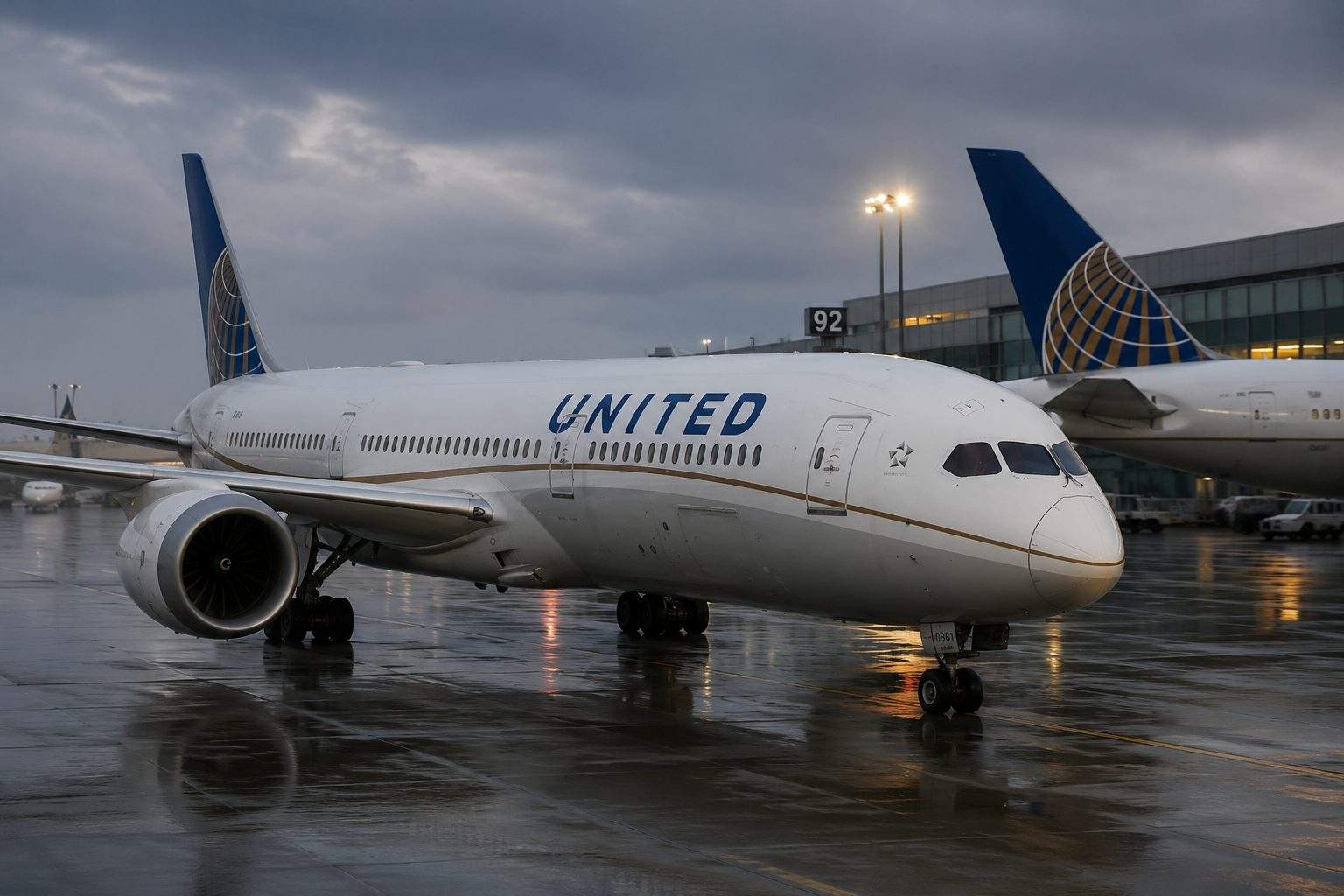

HOUSTON, July 19, 2026, 08:06 (CDT) — U.S. markets closed as United Airlines Holdings NASDAQ:UAL faces renewed scrutiny over technology risks following an outage and an 8% drop in its stock this week.
- A reservation-system outage on Saturday affected check-in, ticketing, and contact centers, with Houston operations restarting at about 8:30 a.m. CDT.
- United completed 87.7% of its second-quarter check-ins through digital channels, increasing the potential impact of core-system outages.
- The stock dropped 8.4% last week prior to the outage. Monday marks the first trading reaction.
United Airlines got its reservation system back online Saturday following a morning system failure that impacted passenger processing at major U.S. airports. The outage affected check-in, ticketing, and contact-center operations. Investors will have an updated look at United’s operating risks on Monday.
The disruption is smaller than United’s August 2025 incident. Still, 87.7% of United’s check-ins are now digital, and the airline operates more than 5,000 daily departures. This reliance increases the impact of any failure in core systems.
United reported a reservation system outage that halted check-ins and ticket processing. Flights that had already departed or left the gate were not impacted. Officials at Houston airport said normal operations restarted around 8:30 a.m. CDT.
Incidents were reported at Newark, Washington Dulles, Houston, and airports around San Francisco. DownDetector registered upwards of 430 user reports by 8:23 a.m. The total reflects reports from users, not the number of passengers impacted.
A United spokesperson said the company’s teams are working to restore normal operations. The airline advised passengers to use its app to check the status of their flights.
Timing is crucial. United’s shares ended Friday at $115.41, falling 2.9% during the session. The stock declined by 8.4% between July 10 and July 17. The outage on Saturday occurred after markets closed.
The airline selloff on Friday took place before the system failure.
| Company or index | Friday close | Friday move |
|---|---|---|
| United Airlines Holdings NASDAQ:UAL | $115.41 | -2.86% |
| Delta Air Lines NYSE:DAL | $84.17 | -2.94% |
| American Airlines Group NASDAQ:AAL | $14.98 | -3.97% |
| S&P 500 | 7,457.69 | -1.01% |
United shares fell in line with Delta’s drop and outperformed American. The three airlines underperformed the overall market. Monday’s performance, measured against peers, is expected to provide a clearer signal from the outage.
The most recent incident was significantly less severe than United’s August 2025 outage. That disruption led to 1,038 delayed flights, accounting for 34% of all departures that day. Over 40 flights were canceled. Many flights experienced multi-hour ground holds at their origin airports.
Fuel continues to represent the most significant known expense for shareholders. Second-quarter revenue is estimated at about $195 million per day. The $575 million fuel spike seen in July matches close to three days of such revenue. This serves as a scale reference, not an estimate of losses from any outage.
United reported adjusted earnings of $1.99 per share for the second quarter. Revenue increased by 16% to $17.7 billion. The company raised its full-year adjusted EPS outlook to $9-$11. The midpoint of third-quarter guidance was below analysts’ consensus of $3.60.
Chief Executive Scott Kirby stated Wednesday, “United is built to thrive in every environment.” Saturday’s disruption puts that assertion under scrutiny at the operational level. PR Newswire
The initial reaction from the stock market arrives Monday. Investors are expected to monitor for ongoing delays and any reported expenses to customers. Focus will also remain on fuel prices, central to United’s most recent outlook.
The primary concern is recurrence. Broader staff or plane shortages could result in compensation payouts and lost-revenue expenses. Fluctuating fuel prices and softer ticket demand continue to pose greater risks to earnings.
Related articles: NASDAQ:UAL