
NEW YORK, May 22, 2026, 09:10 EDT
- UP Fintech shares on Nasdaq were pegged at $3.83 in premarket action as of 8:55 a.m. Eastern, a drop of 34.47% from the $5.84 close Thursday.
- The securities regulator in China called out Tiger Brokers, Futu and Longbridge for running cross-border securities operations for mainland investors without a license.
- UP Fintech will release Q1 numbers before the U.S. open on June 2.
UP Fintech Holding Ltd shares dropped in U.S. premarket hours Friday. China is cracking down on its Tiger Brokers unit and two other firms, with regulators calling their cross-border securities business illegal.
The American depositary shares were indicated at $3.83 during extended trading at 8:55 a.m. Eastern, down 34.47%. These are U.S.-traded securities for foreign shares. Extended trading takes place outside the normal session, and prices can swing more on lighter volume.
Tiger Brokers, Futu Securities International and Longbridge Securities ran securities marketing and handled trading orders for clients in mainland China without a license, the China Securities Regulatory Commission said. The watchdog said it will seize the illegal gains and fine the firms, but did not say how much the penalties would be.
The reason this step is drawing attention now is that it’s more than a fine. Xinhua, citing the regulator’s plan, reported that investors will have two years to sell and withdraw funds but can’t add new money or buy more. After that, offshore companies have to close mainland websites, trading platforms, and servers that support these services.
Tiger Brokers said it hasn’t opened new accounts for mainland China residents since 2023, and it also pulled back on ads and marketing to those users. Mainland China client assets made up about 10% of global client assets at the end of Q1, according to the company. It added that global operations are still normal.
UP Fintech announced just a day ago that it will release Q1 results before the U.S. open on June 2. A management call is set for later that morning. That means investors are still waiting for more on client assets, compliance costs, and trading activity.
Futu and Longbridge were both named, pulling UP Fintech into the same crackdown on online brokerages. Shares of Futu and UP Fintech, which owns Tiger, dropped over 30% in premarket U.S. trade according to Reuters. Futu said investors from mainland China made up 13% of its customer base at the end of Q1.
China wants to keep outbound capital flows in check, Gary Ng, senior economist for Asia Pacific at Natixis, said in comments to Reuters. UOB-Kay Hian’s Steven Leung in Hong Kong said the measures could “cool down” some speculative trades and activity in the city. Reuters
Zhan Kai, partner at Dacheng in Shanghai, told Reuters the penalties were “relatively lenient for now,” adding that heavier fines or criminal charges were still possible. The warning mattered since the CSRC didn’t specify how large the fine could be. Reuters
UP Fintech slid with the broader drop despite a run-up in 2025. Revenue for the year reached $612.1 million, up 56.3%. Net income to ordinary shareholders was $170.9 million. The firm ended the year with $60.8 billion in total account balance. In March, Chairman and CEO Wu Tianhua said the gains showed its “internationalization strategy.” UP Fintech Holding Limited
But there’s still risk in both directions. The premarket price isn’t the final cash-session close, and the company points out that mainland client assets make up just a small part of its global business. Still, if regulators tighten the rules, customers yank assets more quickly than expected, or fines top what the market has priced in, UP Fintech could see trading commissions, margin-financing, and wealth-management revenue all feeling the strain.
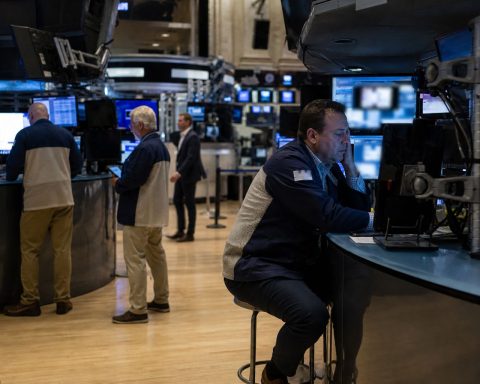
Markets on Nasdaq were set for a regular open at 9:30 a.m. Eastern and a 4 p.m. close. The exchange’s holiday calendar shows U.S. markets shut on Monday, May 25, for Memorial Day. That puts Friday’s session in focus for price discovery ahead of the break.
Related articles: Stock Market