
ATLANTA, April 25, 2026, 17:03 EDT
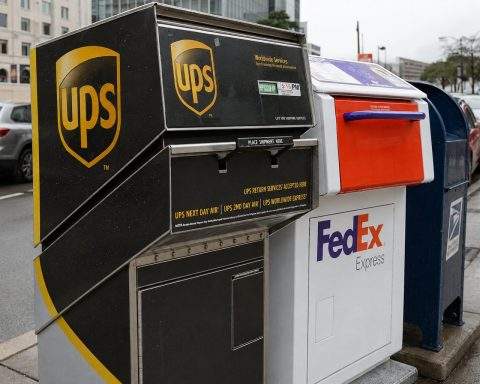
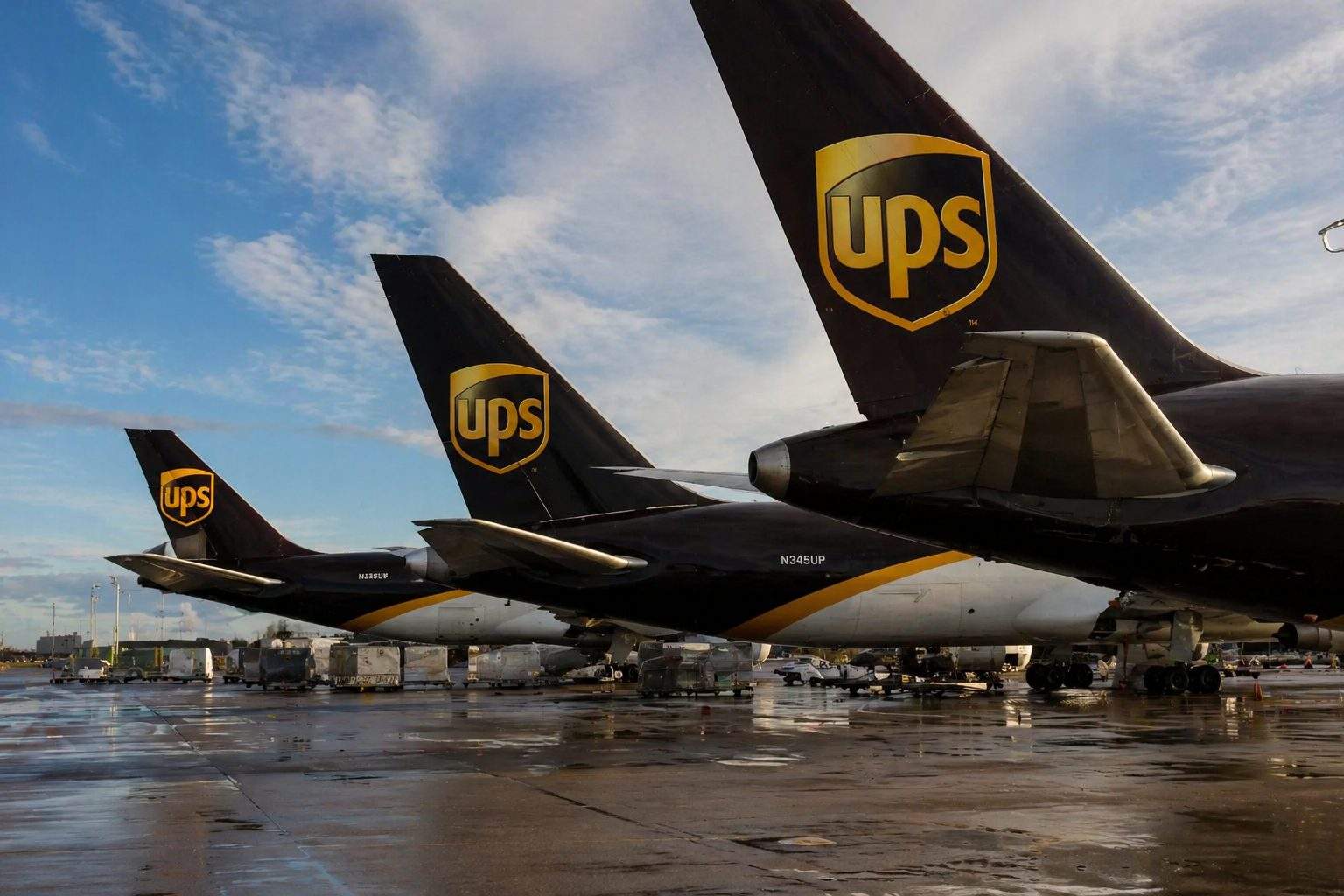
House Democrats are pressing United Parcel Service Inc. for answers on whether any tariff refunds it could receive from the U.S. government will actually reach customers, adding scrutiny to the Atlanta-based giant’s work in customs just before its quarterly earnings next week. In their April 23 letter, lawmakers addressed UPS CEO Carol Tomé, along with FedEx, DHL, and several top retailers.
This is suddenly relevant as businesses tap into a fresh refund pathway from U.S. Customs and Border Protection, following the Supreme Court’s rejection of tariffs imposed under the International Emergency Economic Powers Act—a statute typically reserved for national-security cases. UPS maintains those refunds are limited strictly to the 2025 IEEPA tariffs, excluding all other duties, taxes, or fees.
UPS said it plans to pursue eligible refunds from CBP for customers in cases where UPS acts as the importer of record — the entity on the hook for customs filings. For those customers, UPS says there’s no need to reach out, but it can’t process any refunds until it actually gets the money back from the government.
Democratic lawmakers pressed Tomé and several other CEOs for answers by May 22, demanding details on how tariff costs were booked, if consumers or suppliers ended up footing the bill, and whether the companies would promise not to funnel any refunds into executive compensation or share buybacks. The letter warned that, lacking transparency and accountability, those refunds might just remain parked on corporate balance sheets instead of making their way to people hit with higher prices.
UPS hasn’t said what dollar amount it’s after. According to CBS News, a spokesperson for the company stated this week that UPS is submitting claims for eligible tariffs via CBP’s CAPE portal—the federal online system for refunds. Once claims get cleared and paid out, those customers who covered the levies will get their money back.
FedEx and DHL, also singled out in the House letter, have both told CBS they intend to route refunds back to whoever originally paid the tariff. For shippers, that detail is critical: they typically cover duties on cross-border packages upfront, before invoicing either recipients or the original senders.
It’s not a straightforward process. According to UPS, the initial phase is limited—only specific pending entries and certain tariff payments since Jan. 30, 2026, are eligible. CBP is telling shippers to expect refunds to take at least 60 to 90 days after a request is filed. Keep in mind, UPS adds, there’s no getting back any administrative, brokerage, or disbursement fees.
Tracking consumer relief isn’t straightforward. “Consumers won’t see this refund directly,” said Robert Shapiro, a partner at Thompson Coburn who specializes in international trade, in an interview with Investopedia. Syracuse University law professor Gregory Germain also noted it’s tough for buyers to know exactly what portion of what they paid covered a specific tariff. Investopedia
The refund dispute comes just ahead of UPS’s first-quarter earnings, set for April 28. That morning, CEO Tomé and CFO Brian Dykes are scheduled to host a call with investors, offering a chance for management to take on questions around trade turmoil, costs, and demand.
UPS is moving ahead with other parts of its game plan. Earlier this month, the company said its Happy Returns service now covers 10,000 U.S. drop-off spots, putting 79% of Americans within a five-mile radius of a Return Bar. The company has also put more than $100 million into RFID tech—no need to scan by hand, the system senses packages automatically.
It comes down to timing and trust. Customers might not see refunds as quickly as they hope, and later stages could target other entries entirely. Political demands, for now, have no direct say in who gets paid. UPS, for its part, is simply handling whatever CBP approves for repayment. The bigger headache? Making sure customers actually get their refunds quickly enough to head off fresh complaints about tariff expenses.
Saturday saw U.S. markets closed. The most recent Friday figures put UPS at $107.02, with FedEx coming in at $387.98.