
New York, May 19, 2026, 13:07 (EDT)
Uranium Energy Corp. shares dropped 9.6% to $11.93 by midday Tuesday in New York. The stock led uranium names lower. The Global X Uranium ETF was down 3.1%. Cameco fell 1.6%, while NexGen Energy gave up 3.6% and Energy Fuels shed 6.7%.
UEC is one of the straightforward public plays for U.S. uranium supply, which is why the move stands out. The stock was hit Tuesday as investors pulled back from risk. Big U.S. indexes fell and Treasury yields climbed, pushing up borrowing costs again. “The long end of the market continues to rise,” Peter Cardillo, chief market economist at Spartan Capital Securities, told Reuters, leaving equities “on the defensive.” Reuters
Uranium prices eased, but didn’t collapse. Trading Economics quoted uranium at $85.25 per pound on May 18, down 0.8% for the day and 1.9% in a month. The price is still up nearly 20% from a year ago. Uranium isn’t like oil and copper, which trade openly—Cameco says most deals happen privately, so price discovery tends to be thinner.
Some traders see that opacity as helping the bull case—and as a risk. Reuters said this month that CME Group is working on a physical uranium futures contract based on U3O8, or yellowcake, which is the uranium concentrate stage just before turning into nuclear fuel. John Perdew, who co-heads nuclear fuels at TP ICAP, said the new contract would be “a huge step forward for the uranium market.” Reuters
Longer term, sector demand outlooks remain strong. The World Nuclear Association expects reactor uranium demand to climb 28% by 2030 and more than double by 2040. It says new mines and restarts will be needed later this decade. That’s why stocks like UEC can jump or drop quickly on even small changes in uranium prices, permits, or funding terms.
The downside isn’t tough to spot. UEC reported $20.2 million in sales and a net loss of $13.9 million for the quarter ended Jan. 31. Cash and equivalents came in at $486.3 million. The latest filing also labels UEC as still being an “exploration stage” company — meaning it lacks SEC-proven or probable reserves, despite starting extraction at some ISR mines. Uranium Energy Corporation Website
UEC turned out 45,743 pounds of uranium concentrate in its fiscal second quarter with total costs at $44.14 per pound. Production came from two active header houses at Christensen Ranch in Wyoming, the company said. More capacity is being built or waiting on approvals.
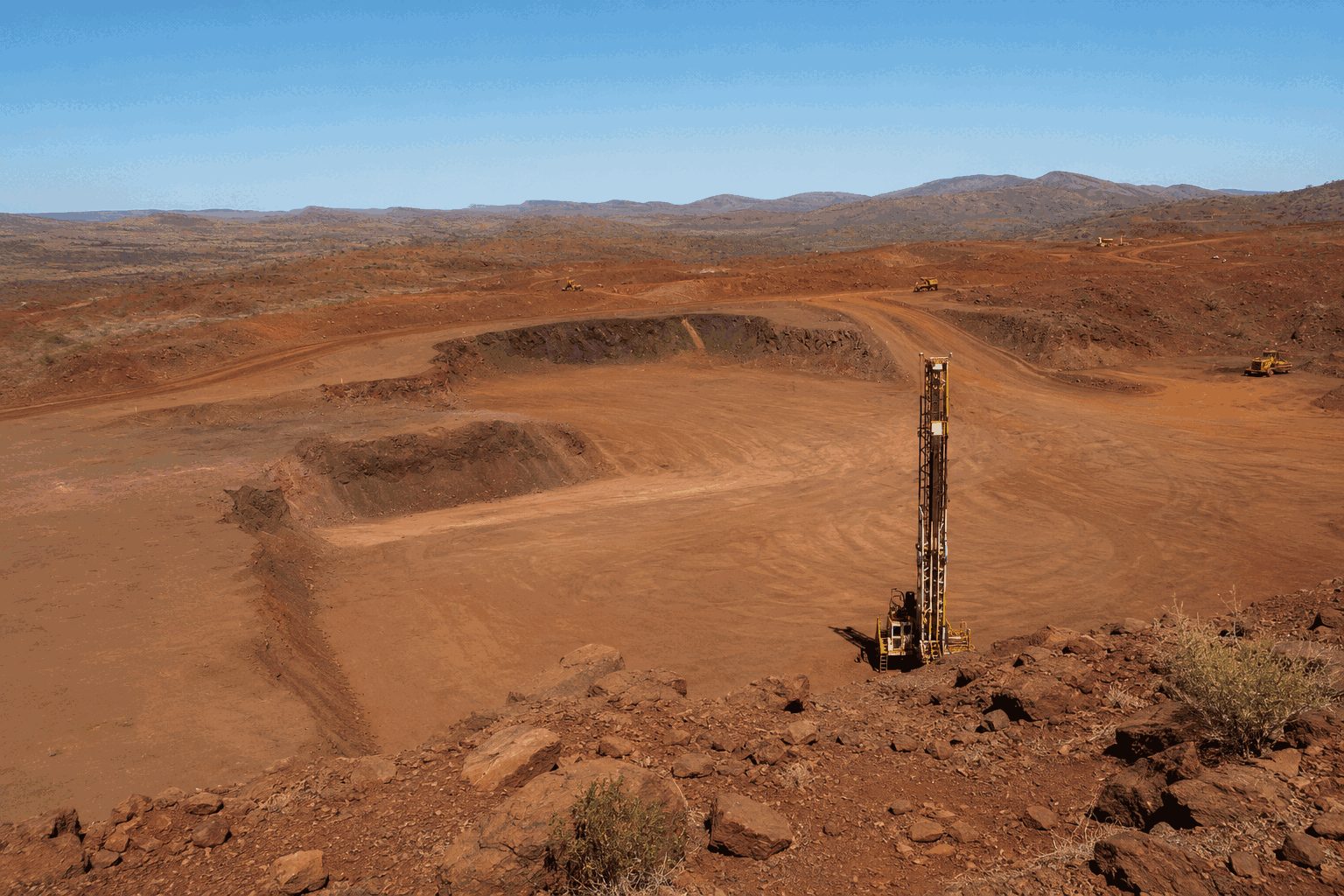
UEC is still leaning on its spring ramp-up for support. In April, the company got the green light in Texas and began production at Burke Hollow, which it bills as the world’s newest in-situ recovery uranium mine. ISR mines pump uranium-bearing solution to the surface instead of hauling ore out of open pits. CEO Amir Adnani called the launch “a significant achievement for UEC.” Uranium Energy Corporation Website
Uranium Energy Corp said in March that three more header houses started up at Christensen Ranch and its planned U.S. uranium conversion facility now has a docket number from the Nuclear Regulatory Commission. Brent Berg, the company’s senior vice president for U.S. operations, said the green light in Wyoming allows for a “planned increase in production volume.” Uranium Energy Corporation Website
A right now, the stock acts more like a play on uranium prices and U.S. nuclear headlines than a reliable producer. Shares respond to moves in uranium and any noise on approvals or new wellfield progress. If uranium prices fall further or ramp-up stumbles, Tuesday’s slide might not be just a blip.
Next up, it’s a basic test: produce more pounds, keep costs flat, and hope the commodity price sticks where it is. If that doesn’t happen, the nuclear-fuel story doesn’t break, but UEC could see sharp drawdowns.
Related articles: Energy Sector