
New York, May 21, 2026, 06:03 EDT
U.S. stock index futures inched up early Thursday. Nvidia posted strong earnings, which didn’t create a major premarket rally but kept the AI trade in focus for Wall Street’s open.
Dow futures added 111 points, or 0.22%, at 50,205 as of 5:39 a.m. EDT. S&P 500 futures edged up 0.10% to 7,459, while Nasdaq 100 futures were up 0.05% at 29,405.75. The numbers are from 10-minute delayed futures data. Futures give traders a way to bet on index moves before stock markets open.
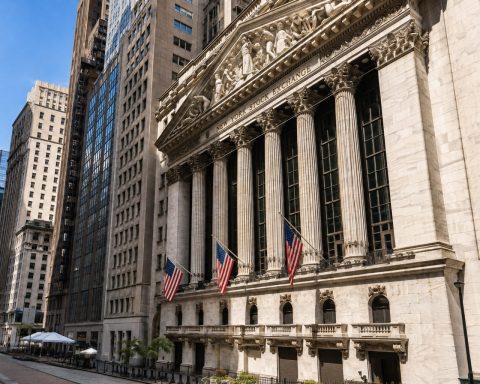
Cash trading sticks to the normal NYSE schedule, open 9:30 a.m. to 4 p.m. ET. Thursday isn’t a 2026 NYSE holiday. The next close is Memorial Day on Monday, May 25.
Megacap tech and chip stocks fueled Wednesday’s bounce, the same trade under focus again. The Dow finished up 1.31%, S&P 500 rose 1.08% and the Nasdaq Composite climbed 1.55%. A 4.5% jump in the Philadelphia semiconductor index came ahead of Nvidia’s earnings.
Nvidia said revenue hit a record $81.6 billion for the quarter, up 85% on the year. Data-center revenue was $75.2 billion, rising 92%. The company OK’d an $80 billion share repurchase and raised its quarterly dividend to 25 cents from 1 cent.
Nvidia CEO Jensen Huang told investors the ramp-up of “AI factories” is moving faster, saying “agentic AI has arrived.” The remarks are meant to show demand is reaching past the initial round of model training. Nvidia is guiding for Q2 revenue at $91 billion, beating LSEG consensus numbers reported by Reuters. NVIDIA Newsroom
Nvidia shares barely moved. Reuters said the stock edged lower before the bell. “Investors want the world from Nvidia,” said AJ Bell’s Dan Coatsworth. eMarketer’s Jacob Bourne called it “another beat” but said the market had already priced it in. Reuters
Nvidia is still the market’s main AI barometer. But traders are eyeing whether players like Alphabet, Amazon and AMD will cut into Nvidia’s share by building or rolling out their own chips.
Rates stayed in focus. The U.S. 10-year Treasury yield was about 4.58%, holding near points that have weighed on stocks lately. Fed minutes showed more policymakers wanted to keep the door open for a rate hike instead of a cut, according to Reuters.
Oil turned lower early in the session after moving sharply this week on U.S.-Iran headlines. Brent and U.S. crude both slipped in initial trading, but the market stayed jumpy with traders watching the Middle East, where signals of peace have mixed with more hawkish statements. “Conviction is lower this time,” Francesco Pesole, currency strategist at ING, told Reuters. Investing.com
Retailers are next up for a consumer check. Walmart reports Q1 numbers at 6 a.m. CDT and goes on a call with CEO John Furner and CFO John David Rainey at 7 a.m. CDT.
Weekly jobless claims, housing starts, building permits, and flash S&P Global PMIs are all due before and after the open. A PMI is based on surveys tracking business activity.
Traders flagged the risk lines: more trouble for Nvidia could spill over fast, oil could climb if Iran talks stall, and if yields nudge up to this week’s highs, futures could give up gains in a hurry. Then there’s Walmart—if its update misses, that could stoke concern that higher gas prices and tough credit are squeezing shoppers as AI keeps propping up stock prices.
Related articles: NASDAQ:NVDA