
NEW YORK, March 27, 2026, 1:28 PM EDT.
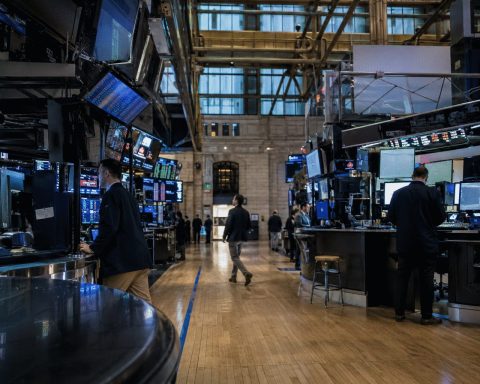
Wall Street’s retreat accelerated on Friday, dragging both the S&P 500 and Nasdaq to levels last seen more than six months ago. Tech names took the biggest hits as investors pulled out, while oil kept climbing—President Donald Trump’s 10-day warning to Iran failed to ease anxiety over the Strait of Hormuz. As of 11:40 a.m. ET, the Dow Jones Industrial Average was down 305.57 points, a 0.66% drop. The S&P 500 slipped 0.70% to 6,432.06, while the Nasdaq Composite tumbled 1.10% to 21,171.61.
Friday’s slump is just the latest setback. The S&P 500 and Nasdaq are each staring down five straight weeks of declines, and as of Thursday, the Nasdaq slipped into correction—down at least 10% from its recent peak. Next up: the close of the quarter and that March jobs report, which lands April 3 at 8:30 a.m. ET—when U.S. trading will be closed for Good Friday.
Oil rallied sharply. Brent crude surged 2.36% to $110.55 a barrel. U.S. West Texas Intermediate picked up 3.56%, settling at $97.84. The 10-year Treasury yield nudged up too, landing near 4.44%. That combo has inflation worries flaring and is squeezing equity valuations even tighter.
“What you’re talking about here is a level of uncertainty in the extreme,” said Bill Mann, chief investment strategist at Motley Fool Asset Management. The CBOE Volatility Index — often called Wall Street’s fear gauge — jumped to 29.01. Reuters
Big tech was under pressure once more. Nvidia dropped 1%, Microsoft lost 1.7%, Alphabet fell by 1.1%, and Meta Platforms plunged 3.5%. The S&P 500’s tech group slipped 0.9%, with communication services off 1.3%.
Consumer stocks lagged outside of tech, but Unity Software broke away from the pack. Carnival slid about 4% after the cruise giant lowered its forecast for full-year adjusted earnings. Unity, on the other hand, jumped 10.5% thanks to preliminary Q1 revenue beating analyst expectations.
Thursday’s 2.4% drop in the Nasdaq pushed it into correction territory, raising fresh questions about how much risk is sitting in the major AI stocks after months of gains. Now investors are looking straight at Microsoft, Alphabet, and Amazon, wondering if those big AI infrastructure outlays will pay off soon—through either revenue or profit.
Households are still feeling the strain. The University of Michigan’s final read on consumer sentiment for March dropped to 53.3, coming in below February’s 56.6 and hitting its lowest since December 2025. One-year inflation expectations moved up to 3.8% from 3.4%. Pain at the pump remains: AAA listed the national average for regular gas at $3.978 on March 27—roughly a dollar above where it stood a month earlier.
Oren Klachkin, a financial market economist at Nationwide, told Reuters that negative sentiment is likely to pile onto the pressure from shrinking real purchasing power and wealth effects. Joanne Hsu, who heads the Michigan survey, cautioned the setback could worsen, particularly if the Iran conflict drags on or rising energy prices spill over into broader inflation.
Investors are discarding their old playbook on rates about as fast as oil ticks higher. Fed funds futures tracked by Reuters and LSEG now show zero expectations for a Federal Reserve rate cut this year. “The equity market is taking very careful notice” of these rising yields, DWS Americas CIO David Bianco tells it, with valuations adjusting as higher rates force a rethink on what people are willing to pay for future earnings. Reuters
Even so, headlines are steering the market. “Words alone aren’t cutting it right now,” said Matt Britzman, senior equity analyst at Hargreaves Lansdown. Jim Baird, chief investment officer at Plante Moran Financial Advisors, pointed to Iran talks—actual progress might steady the mood, but if negotiations drag out, stocks could take another hit. Quarterly numbers are due soon, and payroll data lands April 3, leaving Wall Street bracing for another jolt in either direction. Reuters
Related articles: NASDAQ:META