Salt Lake City, February 5, 2026, 18:14 (MST)
- Utah lawmakers are considering bills aimed at reducing state oversight of raw milk.
- The debate heats up after Ballerina Farm stopped selling raw milk following state tests that detected high bacteria levels.
- Health officials warned that rollbacks might hinder outbreak tracing and recalls.
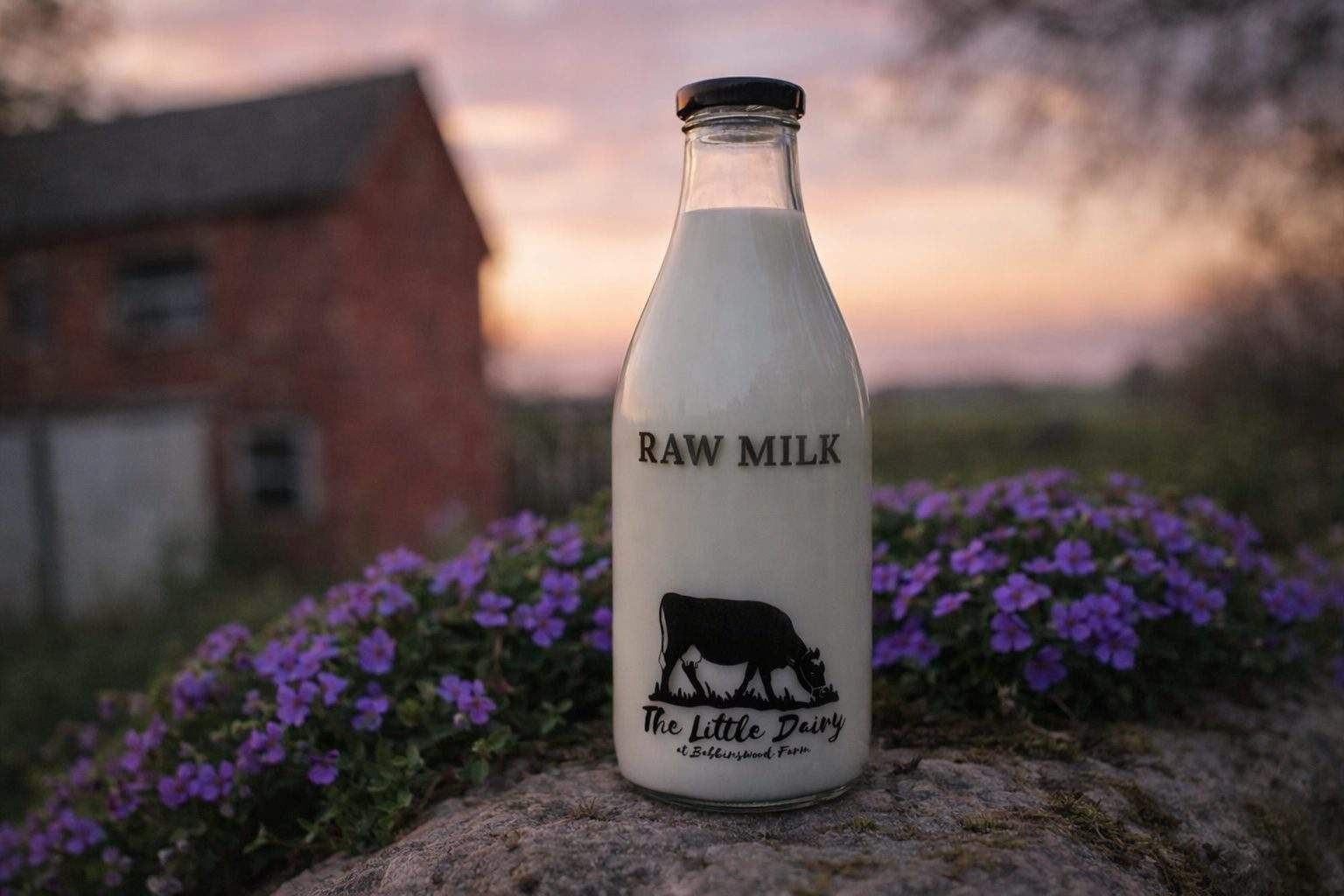
Utah lawmakers are considering bills to ease restrictions on raw milk sales, amid scrutiny of influencer-backed Ballerina Farm. State tests recently detected bacteria levels in the farm’s products that raised concerns. https://www.axios.com/local/salt-lake-city…
The push is significant now as it might move the burden of safety checks from state regulators to producers, with demand for unpasteurised milk expanding well beyond niche farms into a wider wellness trend.
The Ballerina Farm episode has thrust Utah’s regulations into the spotlight. Public health officials informed lawmakers that the state’s existing framework allows them to halt sales based on testing, preventing further illness outbreaks.
H.B. 179 aims to eliminate the state’s raw milk permit system, replacing it with a simple notification to agriculture officials from producers planning to sell. Rep. Kristen Chevrier, the bill’s sponsor, said it “deliberately assigns primary safety responsibility to producers” and cuts the government out of “routine operational oversight.” https://le.utah.gov/~2026/bills/static/HB0…
S.B. 217 proposes defining raw milk as a “homemade food product,” a shift that would remove it from state dairy regulations, according to testimony given in hearings this week.
A third bill, introduced by Rep. Mike Kohler, aims to broaden access by permitting third-party sellers but also proposes stiffer penalties for safety breaches. Kohler told KPCW he wants to “back some of the rules off” to ease sales, while simultaneously “turning up the heat” on producers “that make people sick.”
State and local health officials cautioned that rolling back regulations might hinder efforts to trace tainted milk and slow recall responses. Amber Brown, deputy state agriculture commissioner, warned that deregulation would strip officials of critical tools needed to connect outbreaks to their sources. Kirk Benge, director of the TriCounty Health Department, added that the financial burden would shift to outbreak investigations “that are inevitably going to occur.”
Ballerina Farm, operated by Utah lifestyle influencers Hannah and Daniel Neeleman, has halted raw milk sales after state tests from late May and early June 2025 detected coliform levels above the legal limit, according to records reviewed by KPCW. Coliform bacteria, which include E. coli, serve as an indicator of contamination. https://www.kpcw.org/summit-county/2026-01…
The farm acknowledged that raw milk “takes careful planning” and admitted “we learned this after the fact,” according to a statement reported by KPCW. A spokesperson confirmed the raw milk was sold exclusively at the company’s Kamas location, with daily testing in place, and any milk that didn’t pass was pulled from sale. For now, the farm is sticking to selling pasteurized milk.
Daniel Neeleman told People the dairy “is ideal for pasteurized dairy products” and that the company is planning a second facility “made specifically for raw milk products.” He added, “The state of Utah requires daily testing and any Raw Milk sold from our stand passed.” https://people.com/ballerina-farm-halts-sa…
The Utah Department of Agriculture and Food cautions that raw milk “may pose serious health risks,” citing pathogens like E. coli, Salmonella, and Listeria. The state allows a limited number of dairies to sell raw milk through its “Raw for Retail” program. https://ag.utah.gov/raw-milk-in-utah-infor…
Research links wider availability of unpasteurised milk to a spike in outbreaks. A 2022 Epidemiology & Infection study found that jurisdictions permitting retail sales of unpasteurised milk reported 3.6 times more outbreaks compared to those restricting sales to on-farm only. https://www.cambridge.org/core/journals/ep…