New York, March 12, 2026, 16:51 (EDT)
Vale’s ADRs in New York slipped 28.5 cents to $15.07 late Thursday. In Sao Paulo, shares finished down 2.68% at 77.71 reais.
Vale shares slipped, even as its main market showed strength. April iron ore futures in Singapore jumped over 4% to $108.95 following China’s move to broaden curbs on certain BHP supplies. At the same time, China’s iron ore imports for January and February jumped 10%, and daily hot metal output—a steel demand indicator—was up 1.2%.
Vale rolled out some news as well. The miner reported it churned out 26.3 million metric tons from waste or tailings in 2025—up sharply from 12.7 million the previous year, and surpassing its own 20 million ton target. This push, Vale said, fits into a broader circular-mining strategy with a goal of drawing 10% of its output from waste streams by 2030.
The latest update comes as operating volumes continue to rebound. Vale pulled 336.1 million tons of iron ore from the ground in 2025, marking its strongest showing since 2018—topping Rio Tinto’s Pilbara output. Forecasts for this year call for production between 335 million and 345 million tons. Both Citi and RBC flagged the numbers back in January, noting the output could push fourth-quarter core profit estimates higher.
Yet stronger output hasn’t delivered on the profit front. Vale swung to a $3.8 billion net loss for the fourth quarter of 2025, weighed by a $3.5 billion writedown tied to its Canadian nickel assets. Core EBITDA—earnings before interest, tax, depreciation and amortization—still managed to come in ahead of forecasts.
Broker opinions are diverging. On Thursday, RBC Capital’s Marina Calero cut her rating on Vale to Sector Perform from Outperform, even as she nudged her price target up to $15.50. Calero argued the stock’s rerating has outpaced similar names, leaving shares looking fairly priced.
Execution hurdles and permitting headaches remain. Back in January, Vale paused two units in Minas Gerais after water overflow triggered suspended permits. According to Itau BBA, that incident could pressure the stock in the short run as regulatory scrutiny and headline risk ramp up. RBC flagged uncertainty over how long the stoppage will last and what remediation might end up costing.
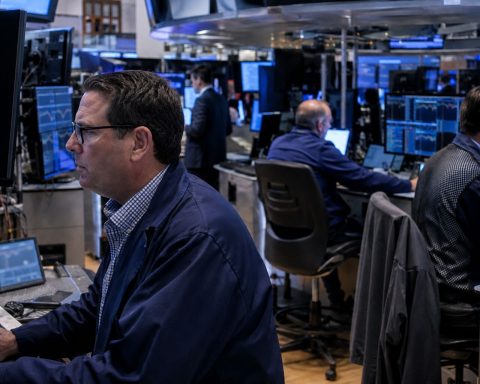
Selling pressure hit across the board. Wall Street slumped hard, rattled by surging crude as the Middle East conflict fueled fresh inflation jitters. Industrials took the brunt of the drop.
Over the longer haul, Vale remains tied to the ups and downs of the iron ore cycle. Wood Mackenzie, speaking to Reuters back in December, projected benchmark ore prices to settle at $98 a ton in 2026, then slip to $95 in 2027. That’s all before Guinea’s Simandou mine ramps up, which could start pushing the market into surplus from 2028.
Chief Executive Gustavo Pimenta is working to convince investors that Vale isn’t just tied to China. Speaking to Reuters in November, he said, “we don’t see growth ahead” in China. But in India, Pimenta sees room for Vale to “bring quality to the Indian mix.” The company is betting on higher-grade ore and tapping fresh Asian demand to soften the blow if business slows among its top customers. Reuters
Related articles: NYSE:VALE