
Updated November 13, 2025
Valve is officially back in the living room. A decade after the first Steam Machines fizzled, the company has revealed a unified trio of hardware built around SteamOS: a compact Steam Machine console‑PC for your TV, a redesigned Steam Controller, and a standalone Steam Frame VR headset. Coverage continued into today with fresh hands‑on impressions, spec sheets, and interviews that paint a clearer picture of what to expect in early 2026.
What is the new Steam Machine?
Think “console simplicity with PC flexibility.” The Steam Machine is a small, cube‑like box (roughly six inches on a side) that lives under your TV, runs SteamOS, suspends and resumes games quickly, and is meant to feel as straightforward as an Xbox or PlayStation—while still letting you install apps or even another OS if you want to tinker. Valve says performance targets 4K at 60 fps with the help of AMD’s FSR upscaling. Tom’s Guide
Key hardware (from multiple briefings today):
- CPU: 6‑core/12‑thread AMD Zen 4 (up to 4.8 GHz)
- GPU: Semi‑custom RDNA 3, 28 compute units, 8 GB GDDR6 VRAM
- Memory:16 GB DDR5 system RAM
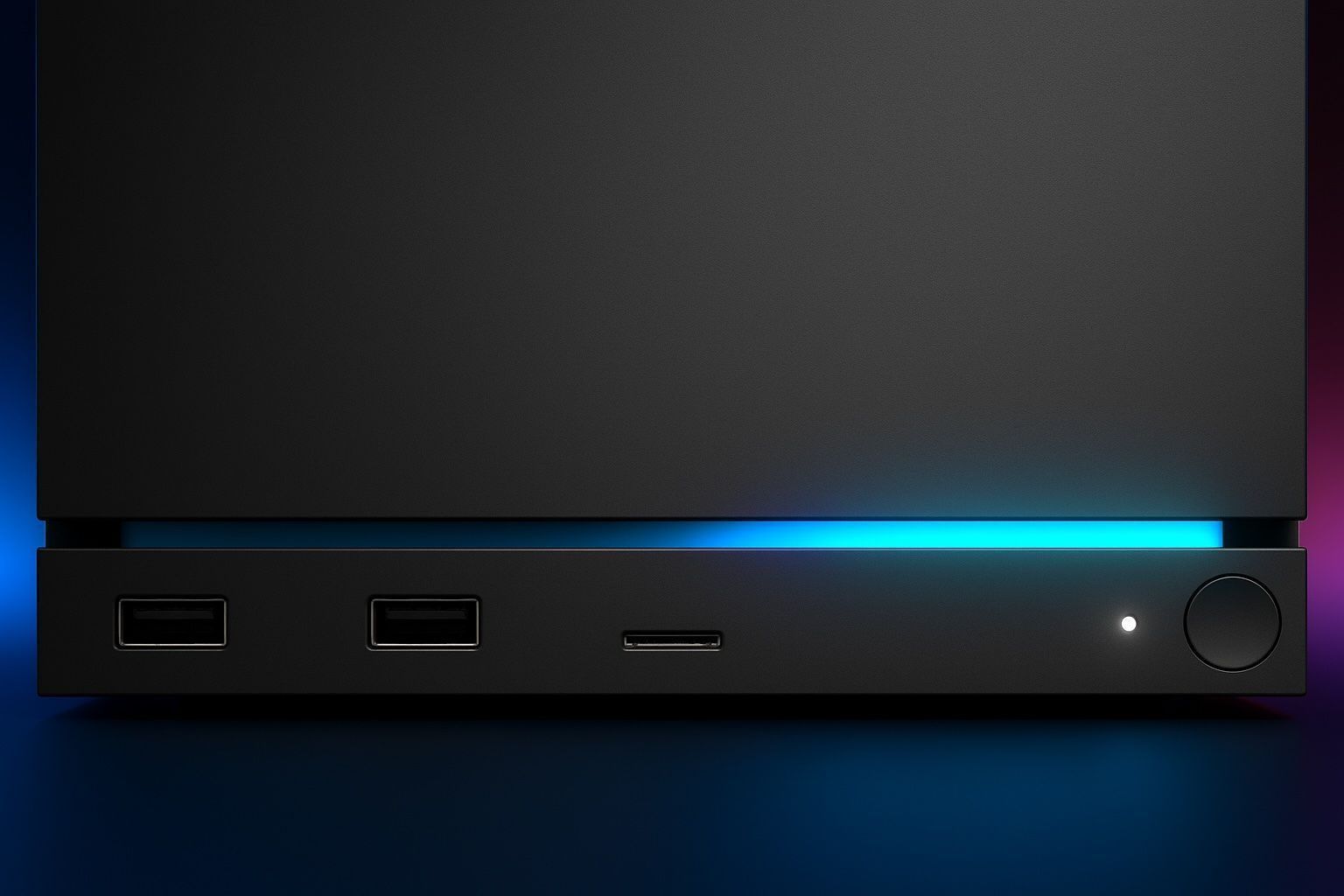
- Storage:512 GB or 2 TB SSD (user‑replaceable NVMe), plus microSD slot
- Ports: DisplayPort 1.4, HDMI 2.0, USB‑C (10 Gbps), USB‑A, 1 Gbps Ethernet
- Claim: “Over 6× the horsepower of Steam Deck”
- Release window:Spring/early 2026 (price TBA) PC Gamer
Tom’s Guide lists the chassis at 6.39 × 6.14 × 5.98 inches and 5.7 lbs, underscoring how console‑like this really is.
How powerful is it—really?
Windows Central reports Valve’s own positioning: “over 6× more powerful than Steam Deck”, generally comparable to today’s 4K‑60 console experiences with upscaling, and above Xbox Series S‑class performance. That said, early technical analysis from Digital Foundry flags the 8 GB VRAM as a potential constraint for some modern AAA games, especially at high resolutions with ray tracing. Translation: 4K‑60 looks feasible on many titles with the right settings and FSR, but expectations should be set by realistic PC‑class trade‑offs. Windows Central
Price: still secret, but hints are emerging
Valve hasn’t named a price yet. Engineers say they’re aiming for “a competitive” and “affordable” package relative to a similarly specced PC you could build, not necessarily to undercut every console. Reporting today rounds up the messaging: price TBA, early 2026 launch, with affordability a repeated theme in interviews. Kotaku’s read—based on Valve’s own “PC‑competitive” framing and part costs—is that the bill could land above some consoles unless Valve eats margin. GameSpot likewise notes Valve wants to “make it as affordable as possible,” but isn’t ready to commit. Kotaku
The new Steam Controller (2026): familiar layout, Deck‑level inputs
Valve’s second‑gen Steam Controller is designed to give you Steam Deck‑style controls on the couch: dual TMR (tunnel magnetoresistance) thumbsticks to reduce drift, two trackpads for mouse‑like precision, gyro with grip‑to‑enable, and 35+ hours of battery life. It connects over Bluetooth, USB‑C, or a 2.4 GHz “puck” that doubles as a charger; the Steam Machine has a built‑in radio so it can pair up to four controllers and even wake the console. Pricing is TBA, with a 2026 release alongside Steam Machine. PC Gamer
“We targeted input parity with Steam Deck,” Valve engineer Steve Cardinali told PC Gamer. PC Gamer
Steam Frame VR (2026): standalone, wireless PC link — and Android comes to Steam
The Steam Frame replaces the long‑running Valve Index with a standalone VR headset built on an Arm‑based Snapdragon 8 Gen 3 SoC. It weighs around 435 g, offers 2160×2160 per eye at up to 144 Hz (experimental), inside‑out tracking, and a dedicated 6 GHz wireless dongle for low‑latency PC VR streaming. Crucially, Valve is also inviting Android games into Steam and says APKs can be sideloaded—a major ecosystem swing that could broaden Steam’s catalog on Arm hardware. Pricing is TBA; release is slated for early 2026.
What about Steam Deck 2?
Valve addressed it directly: no Steam Deck 2 news until there’s a “generational leap” in efficiency and performance that doesn’t tank battery life. The right chip “doesn’t exist” yet, according to Valve’s Pierre‑Loup Griffais. In the meantime, Valve is clearly investing in Arm (for Steam Frame) and says Arm has “potential” for future SteamOS devices, though that’s not a promise of an Arm‑based Deck successor. The Verge
Regions and availability
Valve says the new hardware will roll out in the same regions where Steam Deck is officially sold, including the U.S., Canada, U.K., much of Europe, Japan, South Korea, Taiwan, and others via distributor Komodo. Preorders and exact dates are still to be announced.
Early takeaways (Nov 13)
- The hardware family is coherent. The console, controller, and headset share inputs, radios, and a common SteamOS approach that favors suspend/resume, couch‑friendly UX, and cross‑device library access.
- Specs look sensible for living‑room 4K with FSR, but DF’s critique of 8 GB VRAM is worth watching as 2026 AAA games arrive.
- Price is the swing factor. Valve’s “PC‑competitive” goal and affordability talk sound good, but the market will judge based on the final number and bundles. GameSpot
- SteamOS keeps gaining ground. Valve is pushing anti‑cheat compatibility, Verification labels, and even Android support; those moves matter as it courts a broader audience beyond the PC faithful.
The open questions
- Final pricing and bundles. Will Valve pair the Machine with the new Controller at a discount, and how aggressively will it price the 2 TB SKU? Today’s reporting offers analysis, not answers.
- Anti‑cheat and online compatibility. Some Windows‑first multiplayer titles still pose challenges on Proton; Valve says it’s improving, but support varies by game.
- VR longevity and apps. Steam Frame’s standalone pitch is compelling—especially with Android support—but long‑term success will depend on content and PC‑link polish.
Bottom line
As of today, Valve’s reboot looks far more cohesive than the 2015 experiment: one fixed‑spec Steam Machine, a controller that actually matches the Deck’s inputs, and a VR headset that cuts the cord while broadening Steam’s ecosystem to Android on Arm. If Valve can land consumer‑friendly pricing and keep smoothing SteamOS compatibility, 2026 could see Steam step confidently into the living room—and keep the couch.
Sources & further reading
- The Verge StoryStream on Valve’s new hardware (updated Nov 13), including Android apps on Steam, APK sideloading, and the Deck 2 chip context.
- PC Gamer’s consolidated specs and hands‑on for Steam Machine, Steam Frame, and Steam Controller.
- Windows Central’s spec table and performance positioning vs. current consoles.
- Tom’s Guide live blog: running dimensions, spec rundown, launch window and Valve video recap.
- GameSpot and Kotaku on Valve’s pricing stance and affordability goals.
- Digital Foundry’s early technical analysis (VRAM concern, thermals, upscaling expectations).
Related articles: NASDAQ:AMD