NEW YORK, Jan 4, 2026, 14:50 ET
- Virgin Galactic’s financing moves have revived questions about whether the space-tourism firm can reach profitability in 2026.
- The company has swapped part of its 2027 convertible debt for new secured notes and issued stock-linked warrants, increasing potential dilution.
- Shares closed at $3.29 on Friday, up about 2.3% from the prior close.
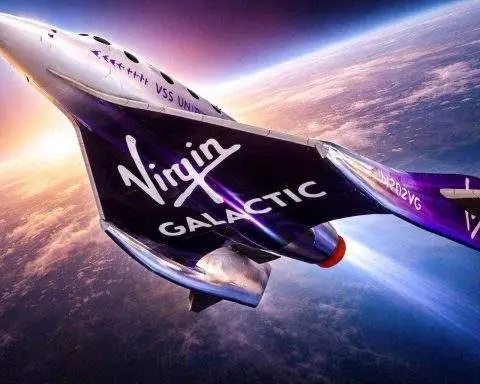
Virgin Galactic’s bid to refinance debt and raise fresh capital is sharpening investor doubts about whether the company can post its first annual profit in 2026, as it remains grounded and burning cash. Analysts polled by S&P Global Market Intelligence expect Virgin Galactic to lose nearly $240 million in 2026, according to a Nasdaq-published column. Nasdaq
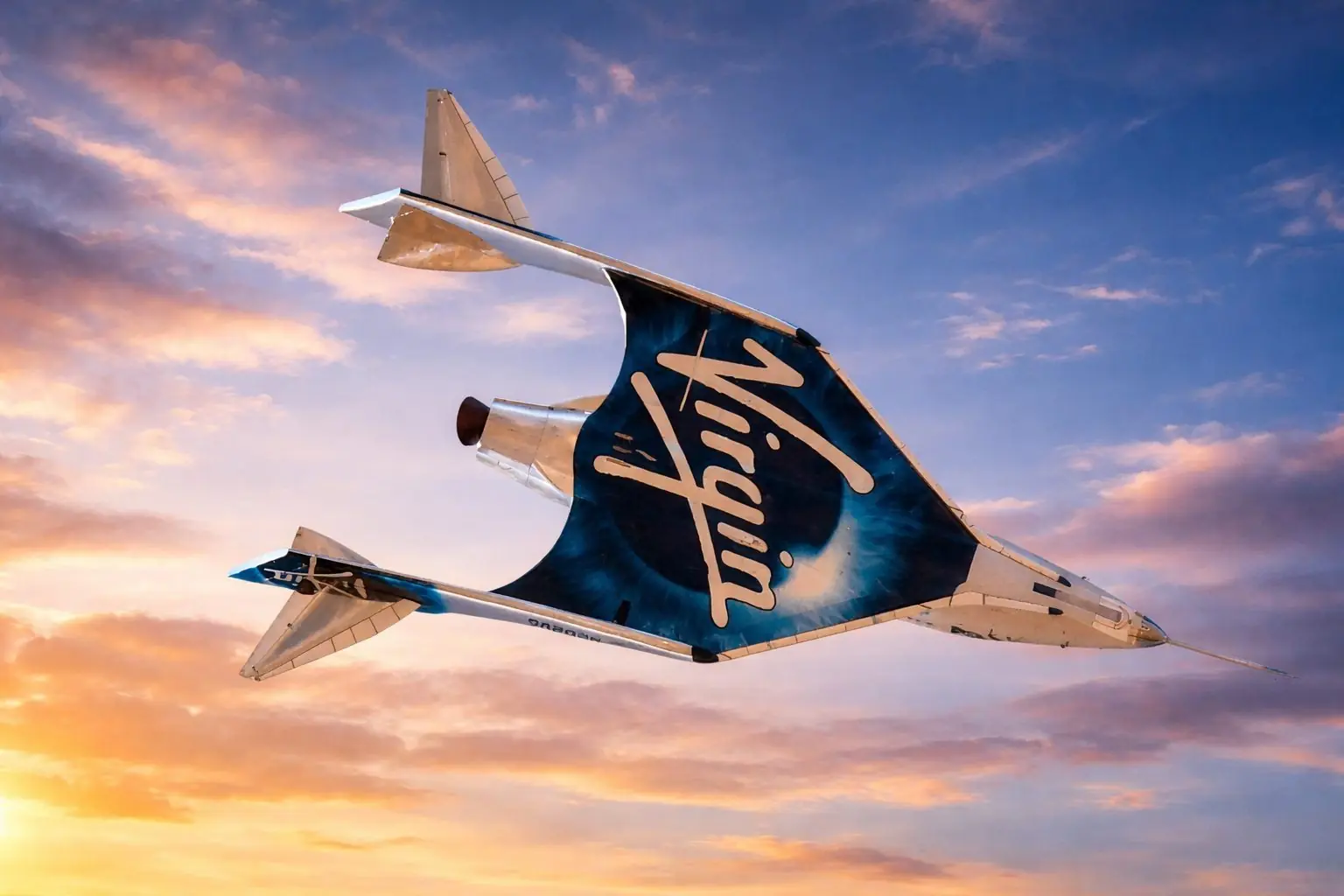
Why it matters now: Virgin is funding development of its next-generation “Delta-class” spaceplanes and a new carrier aircraft while it has little revenue coming in. That leaves the company reliant on the capital markets to bridge the gap until ticket sales and flights scale.
In December, Virgin said it planned to repurchase and retire about $355 million of its 2.50% convertible senior notes due 2027, fund a roughly $46 million registered offering of stock and pre-funded warrants, and issue about $203 million of 9.80% first-lien notes due 2028 in a private placement. Virgin said the new notes would be secured by a first-priority lien on substantially all of its assets. Virgingalactic
A first-lien note is secured debt that gives lenders a first claim on pledged collateral if the borrower defaults. A pre-funded warrant is a stock-linked instrument where investors pay nearly all of the purchase price upfront, then exercise later—often for a minimal additional amount—effectively delaying when common shares hit the market.
An SEC filing showed that when the transactions closed on Dec. 18, Virgin repurchased $354.6 million of its 2027 convertible notes, leaving about $70.4 million outstanding. The company also sold about 2.2 million shares at $4.33 per share, issued pre-funded warrants for roughly 8.4 million shares, and sold $212.5 million of 9.80% first-lien notes due Dec. 31, 2028, alongside purchase warrants covering about 31.7 million shares at an exercise price of $6.696. The notes require scheduled redemptions beginning in September 2026, the filing showed. SEC
Virgin’s stock closed at $3.29 on Friday. It traded between $3.16 and $3.34 during the session, according to market data.
The financing comes as Virgin targets a return to commercial operations late next year. “Our first commercial spaceflight continues to track for Q4 2026,” CEO Michael Colglazier said in a November business update. Virgingalactic
Virgin is competing in a narrow market for space tourism, where Blue Origin has also flown paying customers on suborbital missions and SpaceX has sold high-end private orbital flights. Demand, pricing power, safety and flight cadence will determine whether Virgin can cover its fixed costs and rising interest expense.
The risk for shareholders is that delays or slower-than-expected ramp-up force more fundraising. The December deal structure adds higher-cost secured debt and embeds equity dilution through warrants and pre-funded instruments, and the notes’ redemption schedule starts before full commercial flying is expected to resume.
Investors will be watching whether Virgin can keep its development timeline on track, generate cash from future ticket sales, and avoid further dilution as it works to restart flights and scale a business that has yet to prove it can be profitable.