Today: 18 July 2026
Browse Category

NASDAQ:SPCE 16 June 2025 - 13 June 2026

Virgin Galactic Trades Higher on SpaceX IPO Buzz, SPCE Volume Jumps

Virgin Galactic Trades Higher on SpaceX IPO Buzz, SPCE Volume Jumps

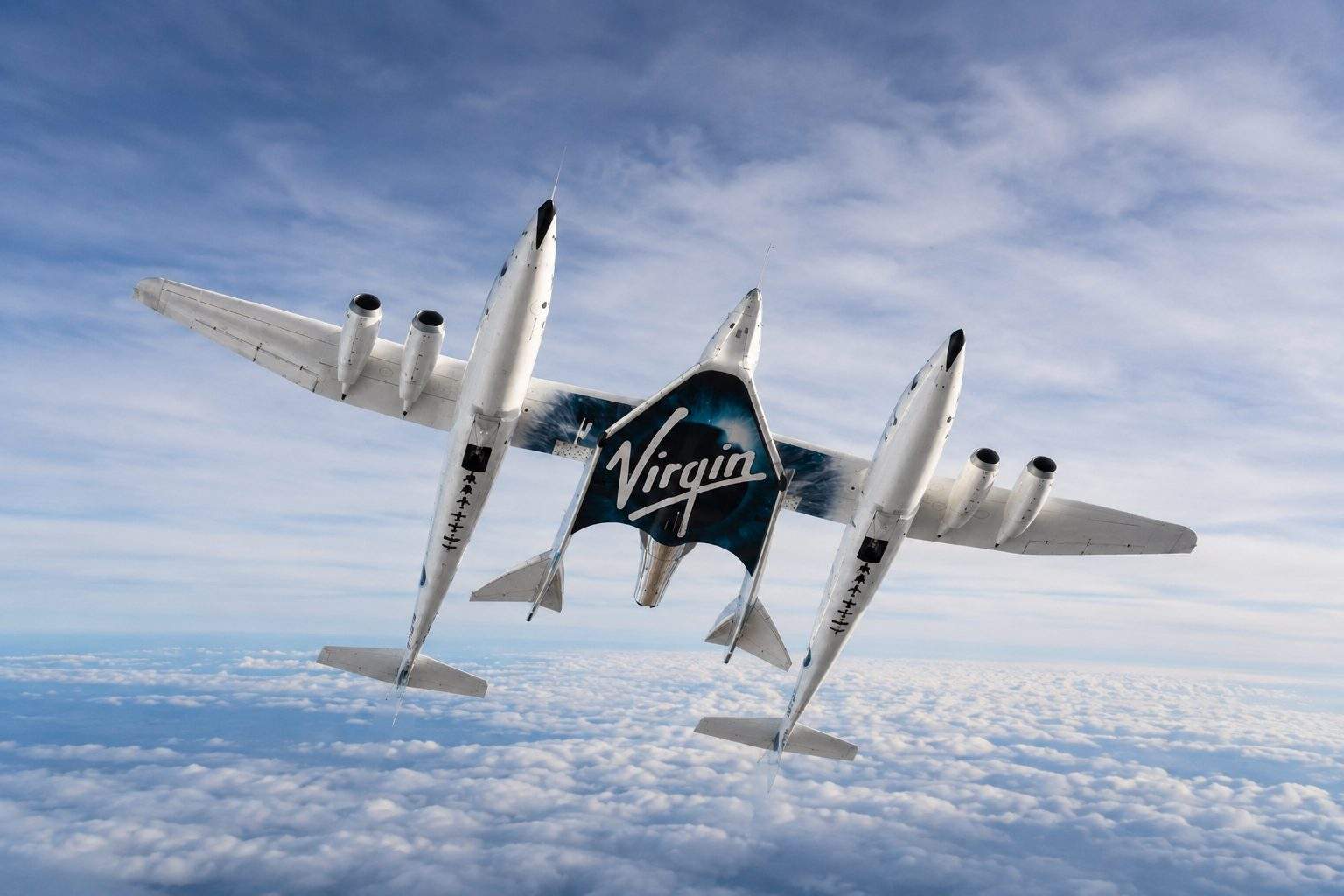
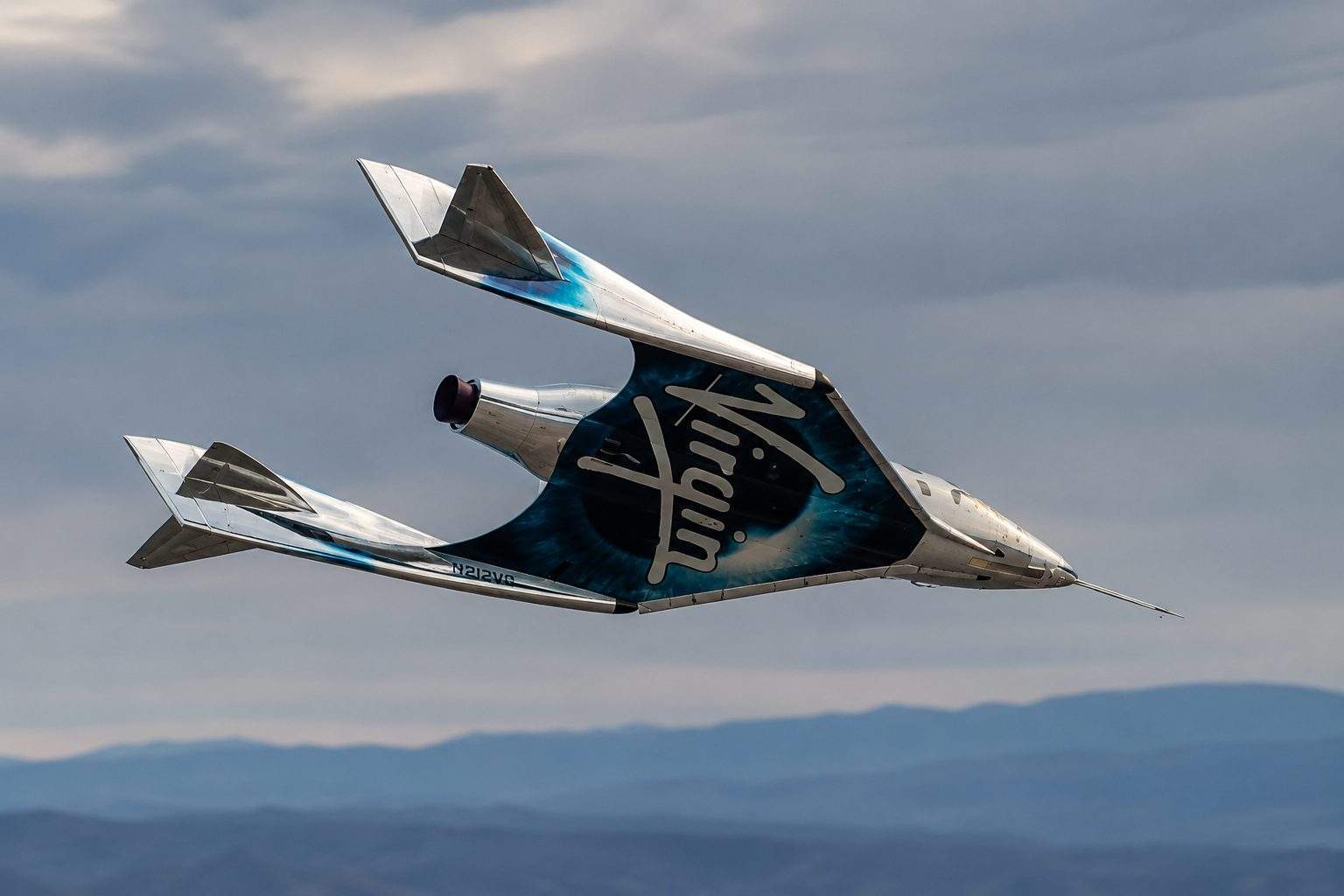
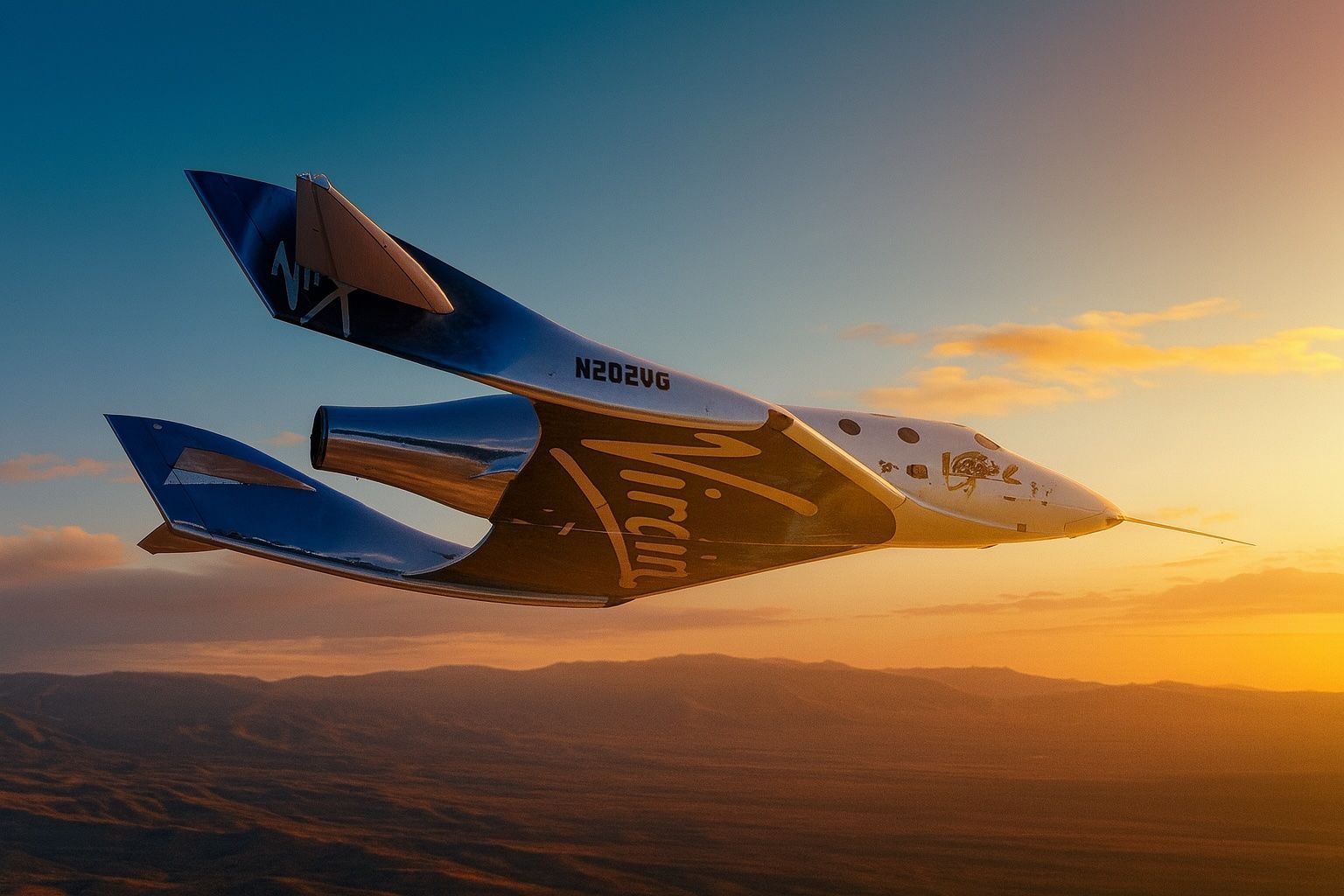
Virgin Galactic Holdings, Inc. rallied Thursday, jumping 21.66% to $5.73, its third straight day of gains. Investors showed strong demand for space stocks ahead of SpaceX’s IPO. Volume soared, with 117.7 million SPCE shares changing hands, far above the 50-day average of 28.3 million, MarketWatch said. Broader markets were also in the green. The Nasdaq Composite rose 2.54%, the Dow Jones Industrial Average added 1.86%, and the S&P 500 gained 1.75%.
Virgin Galactic Shares Jump 36% With Traders Eyeing Test Flight

Virgin Galactic Shares Jump 36% With Traders Eyeing Test Flight

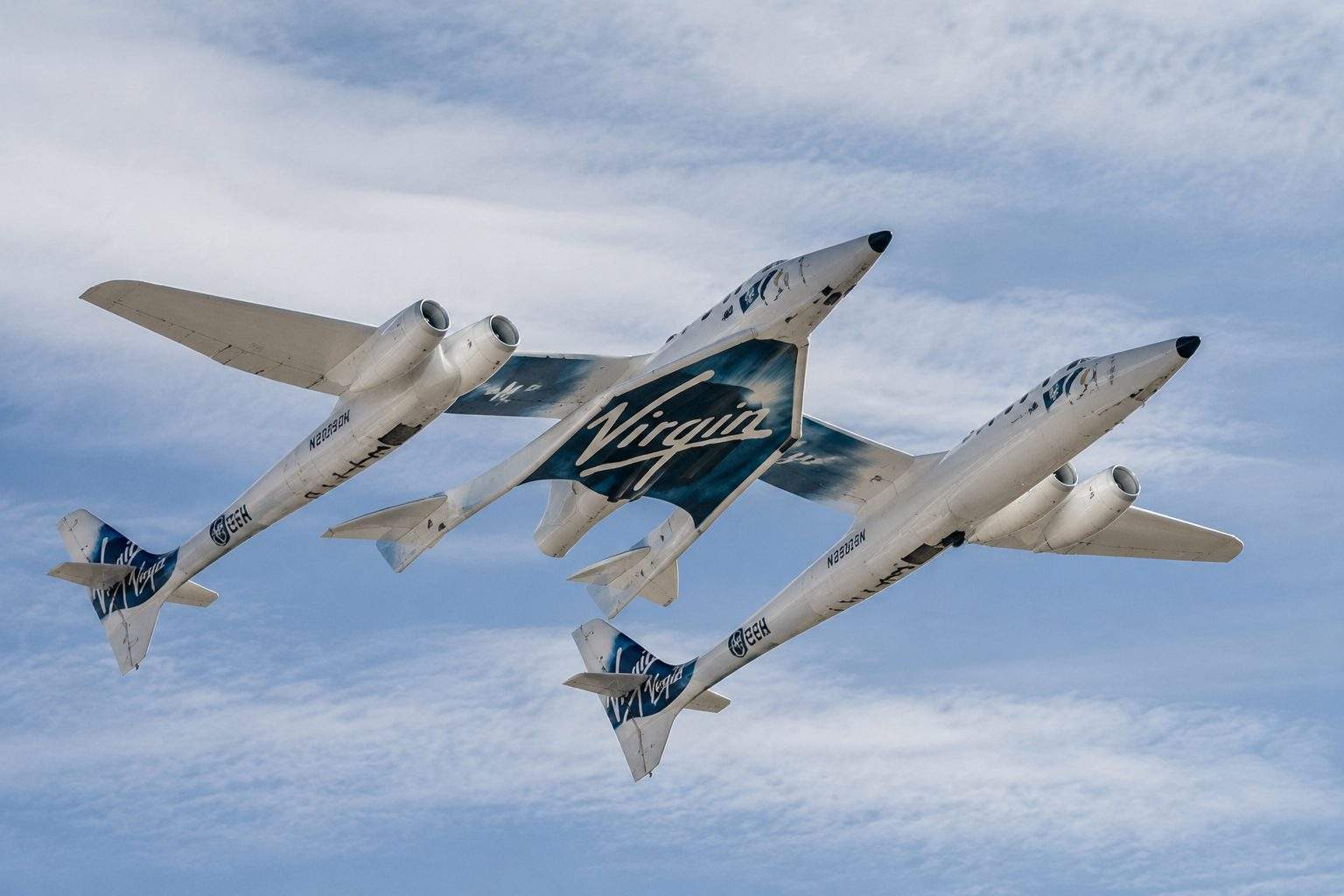
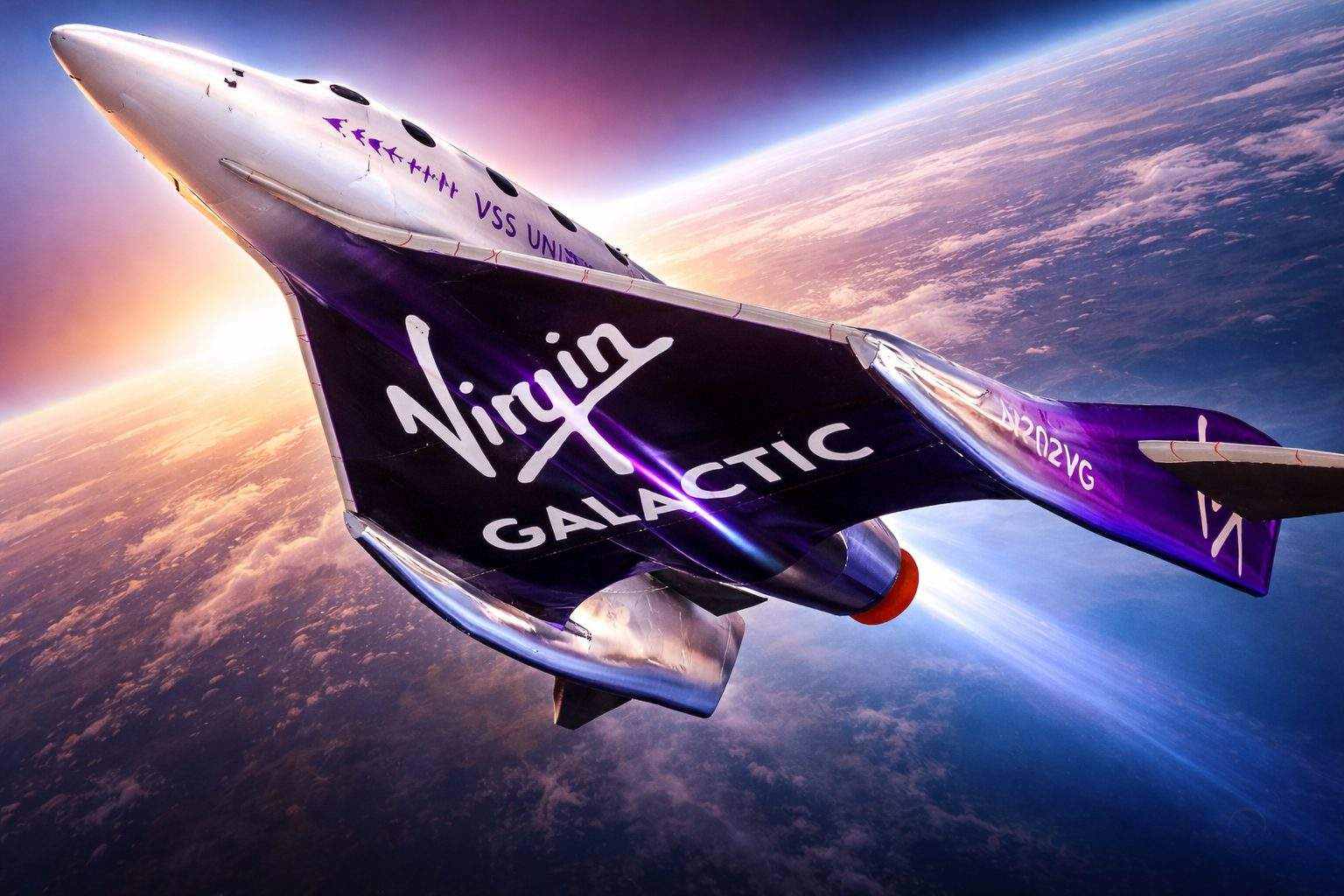
Virgin Galactic Holdings Inc. jumped 36.42%, ending the session at $6.18 after a huge spike in volume to 175.9 million shares—way over the 50-day average of 11.3 million. The stock posted its sixth straight advance and set a 52-week high, beating out bigger aerospace players like Boeing, RTX, and Lockheed Martin. The Nasdaq Composite was up 0.20% and the Dow gained 0.72% Friday.
Space and Defense Stocks: Rocket Lab, Lockheed, Northrop, RTX in Focus as China Sanctions and Space Force Awards Shape 2026

Space and Defense Stocks: Rocket Lab, Lockheed, Northrop, RTX in Focus as China Sanctions and Space Force Awards Shape 2026

With U.S. markets shut for the weekend, investors in space stocks and defense stocks are heading into Monday’s open with a clear message from the final full trading day after Christmas: the broader market is trying to extend a late-year rally, while the aerospace-and-defense complex continues to be driven by a mix of geopolitics, Pentagon procurement, and the accelerating “space-to-defense” crossover.
Record-Setting Black Hole Flash Dazzles Astronomers: “One-In-A-Million” Flare Blasts Light = 10 Trillion Suns

Record-Setting Black Hole Flash Dazzles Astronomers: “One-In-A-Million” Flare Blasts Light = 10 Trillion Suns

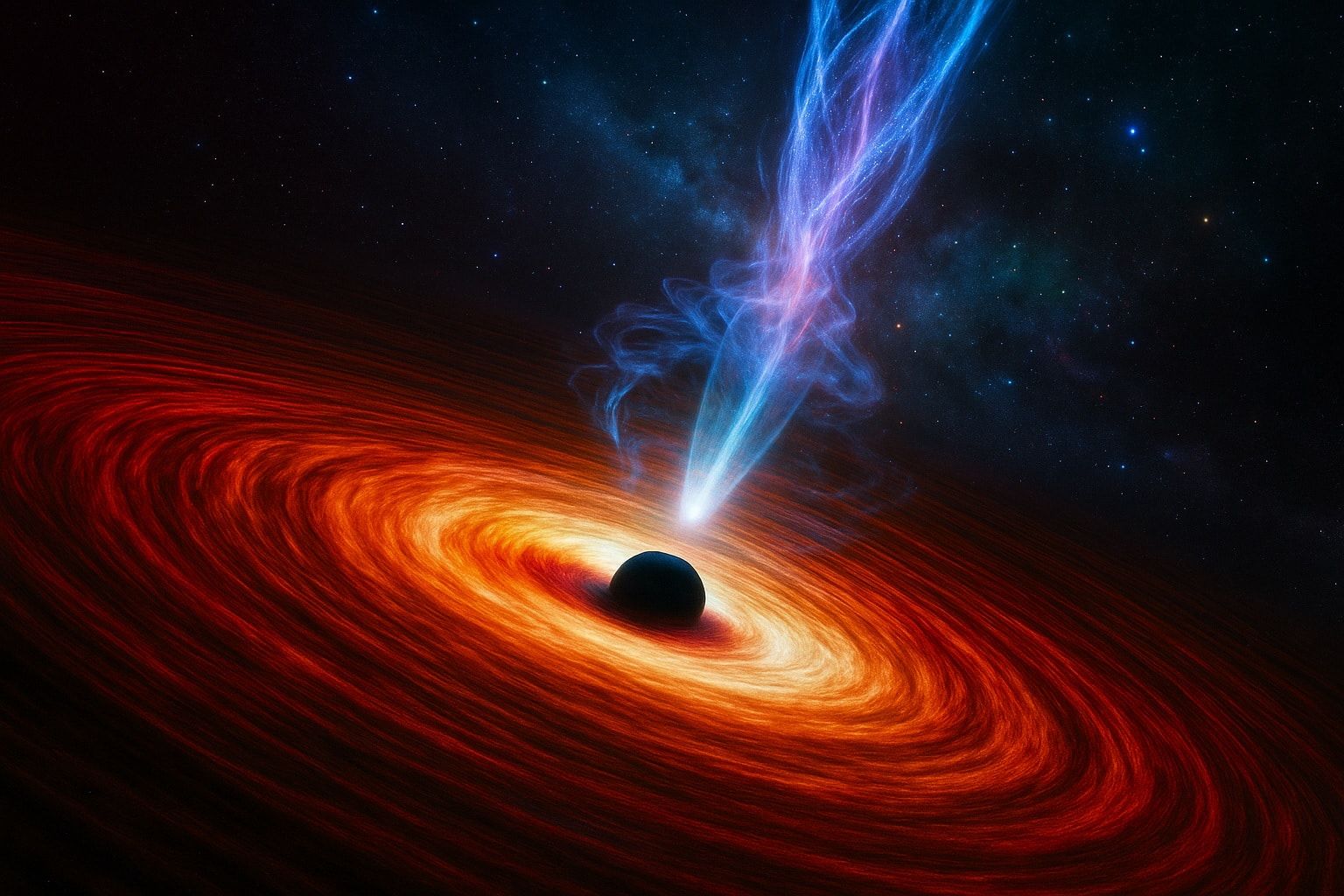
On Nov. 4, 2025 astronomers worldwide were abuzz: a supermassive black hole had produced the most luminous flare ever recorded. At its peak the outburst was “30 times brighter than any prior black hole flare,” equivalent to 10 trillion Sunsspace.com. This “superflare” came from a galaxy over 11 billion light-years away – meaning we see it as it happened more than 10 billion years agoreuters.comspace.com. In cosmic terms this was a spectacular event: “a one-in-a-million object” as Caltech’s Matthew Graham describestheriver973.iheart.com. Nature News confirms it as “the biggest black-hole outburst ever seen,” a fireworks show powered by a star being literally eaten alivenature.comspace.com.
Virgin Galactic SPCE Stock Surges on Lawsuit Settlement and Purdue Mission News

Virgin Galactic SPCE Stock Surges on Lawsuit Settlement and Purdue Mission News

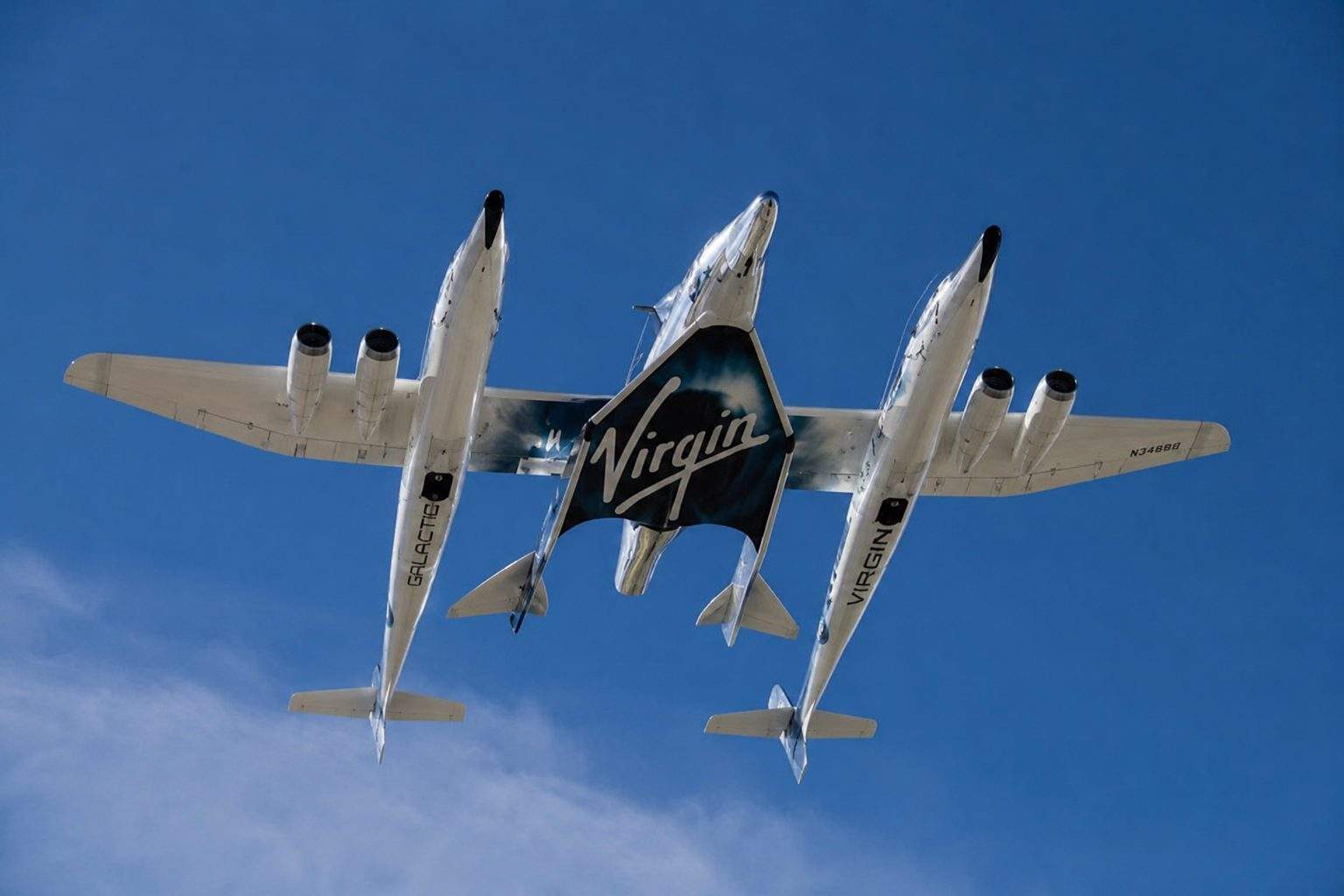
Virgin Galactic’s share price has been in a prolonged slump, though recent news has sparked a bounce. On Oct. 1, 2025 SPCE closed at $3.42 ts2.tech; by Oct. 16 it had rallied to about $4.89 Investing. The stock traded in a rough range of $3.30–$3.70 through early Oct ts2.tech. Over 2025 the stock is still down roughly one-third, well underperforming the S&P500. SPCE remains extremely volatile.
Space Race in 48 Hours: Starship Roars, Moon Mission Nears & Space Tourism Soars

Space Race in 48 Hours: Starship Roars, Moon Mission Nears & Space Tourism Soars

Solar Probes Take Flight: On Sept. 24, SpaceX’s Falcon 9 thundered off pad 39A in Florida carrying three solar science spacecraft: NASA’s Interstellar Mapping and Acceleration Probe, a small Carruthers Geocorona Observatory, and NOAA’s SWFO-L1 space-weather monitor science.nasa.gov science.nasa.gov. Liftoff was targeted for 7:30 a.m. EDT, with the booster aiming to hurl the payloads toward the Sun-Earth L1 point, about a million miles out nasa.gov nasa.gov. This mission inaugurates a new era in heliophysics – IMAP will map the boundaries of the heliosphere to better understand cosmic radiation and solar storms nasa.gov. It’s a ride-share trio: alongside IMAP, NASA’s Carruthers Observatory will image Earth’s outermost atmosphere and NOAA’s SWFO-L1 will serve as an early warning beacon for solar eruptions that could disrupt power grids and GPS nasa.gov nasa.gov. The Falcon 9 launch, managed by NASA’s Launch Services Program, was eagerly awaited after a one-day weather delay science.nasa.gov, and live coverage streamed on NASA’s new NASA+ platform.
All the Ways You Can Go to Space: Commercial, Government, and Emerging Opportunities

All the Ways You Can Go to Space: Commercial, Government, and Emerging Opportunities

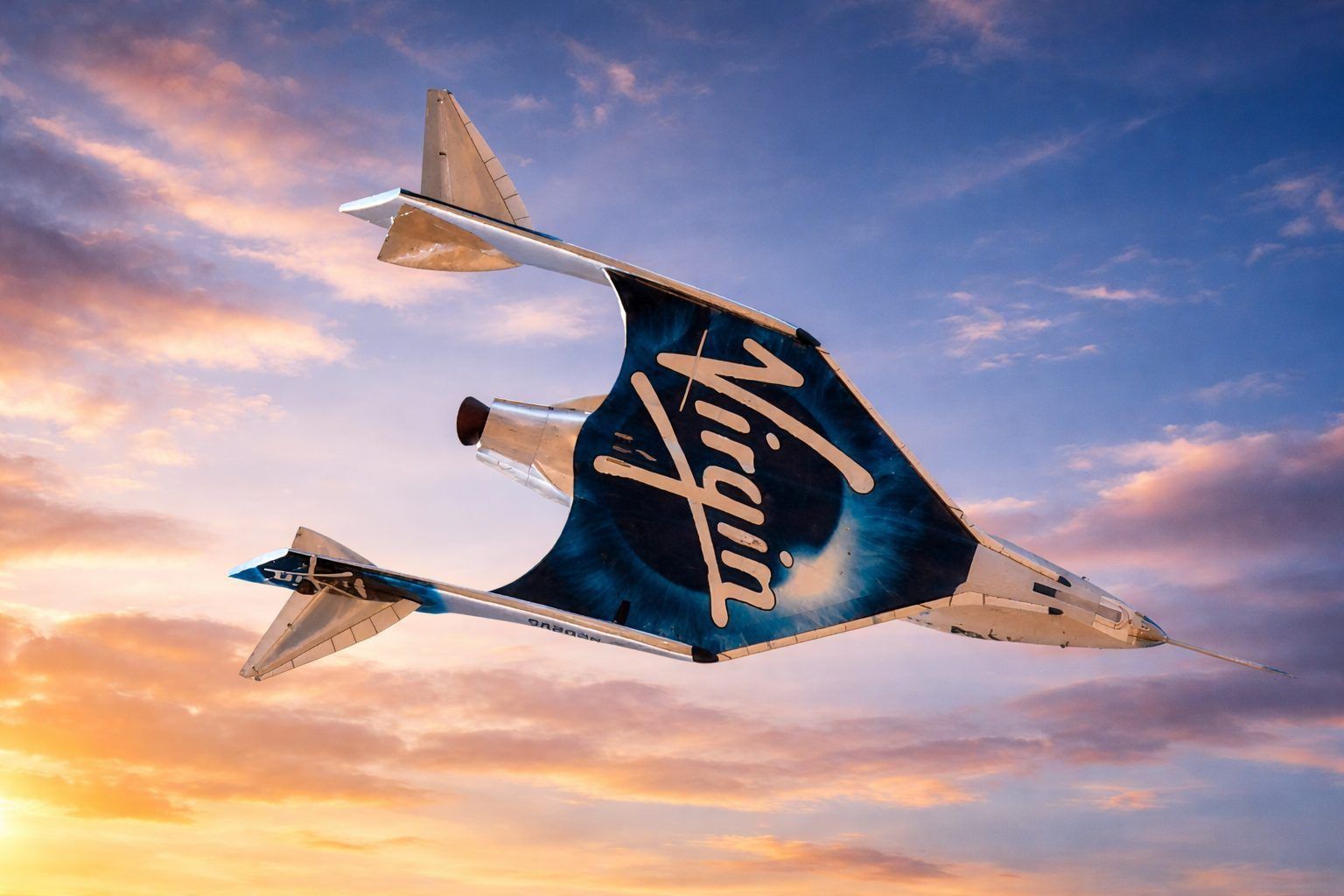
Spaceflight is no longer reserved for a select few government-trained astronauts. In 2025, a new era of space travel is unfolding, offering multiple pathways for ordinary people – not just career astronauts – to reach the stars. Fewer than 700 humans have ever traveled to space in the past six decades press.virgingalactic.com, but that number is poised to grow rapidly as commercial space tourism, private astronaut missions, and international programs open the final frontier to more participants than ever before. “We’re here to make space more accessible to all. Welcome to the dawn of a new space age,” announced Virgin Galactic founder Richard Branson after flying to space himself thehansindia.com. From suborbital joyrides that give you a few minutes of weightlessness, to orbital excursions lasting days or weeks, all the way to upcoming lunar trips, here’s an in-depth guide to every way you can go to space – including how to qualify, how much it costs, and what to expect on your journey.
State of Space and Satellite Technologies in 2025 (Updated: June 27th, 2025)

State of Space and Satellite Technologies in 2025 (Updated: June 27th, 2025)

The Artemis I mission lifts off in a spectacular night launch on November 16, 2022, marking the first flight of NASA’s Space Launch System mega-rocket. Artemis I sent an uncrewed Orion spacecraft around the Moon and back, laying the groundwork for future crewed lunar missions nasa.gov. This milestone exemplifies the rapid resurgence of lunar exploration and the growing capabilities of modern space technology.
Rocketing into the New Space Race: Inside the Global Boom of Private Spaceflight and Payload Companies

Rocketing into the New Space Race: Inside the Global Boom of Private Spaceflight and Payload Companies

The once government-only arena of spaceflight is now a thriving global industry fueled by private companies. In 2023, the global space economy reached $570 billion, nearly double its size a decade earlier spacefoundation.org. Commercial ventures account for ~78% of this economy spacefoundation.org, reflecting how companies worldwide are taking the lead in launching rockets, deploying satellites, and even flying people to space. The number of launches is soaring – 221 orbital launches occurred in 2023, the most on record bcg.com. Over 2,500 satellites were launched just in 2023, and experts project as many as 100,000 satellites in orbit within the next decade to meet surging demand entrepreneur.com. This new “space rush” is backed by massive investment: since 2009, investors have poured about $347.9 billion into some 2,197 space startups globally spacecapital.com. The result is a worldwide boom in private spaceflight firms – from pioneering giants in the U.S. to agile startups in Europe, Asia, and beyond – all racing to grab a slice of the growing space market.
Inside the Billionaire Space Tourist Boom: History, Players, Prices, and the Future of Commercial Spaceflight

Inside the Billionaire Space Tourist Boom: History, Players, Prices, and the Future of Commercial Spaceflight

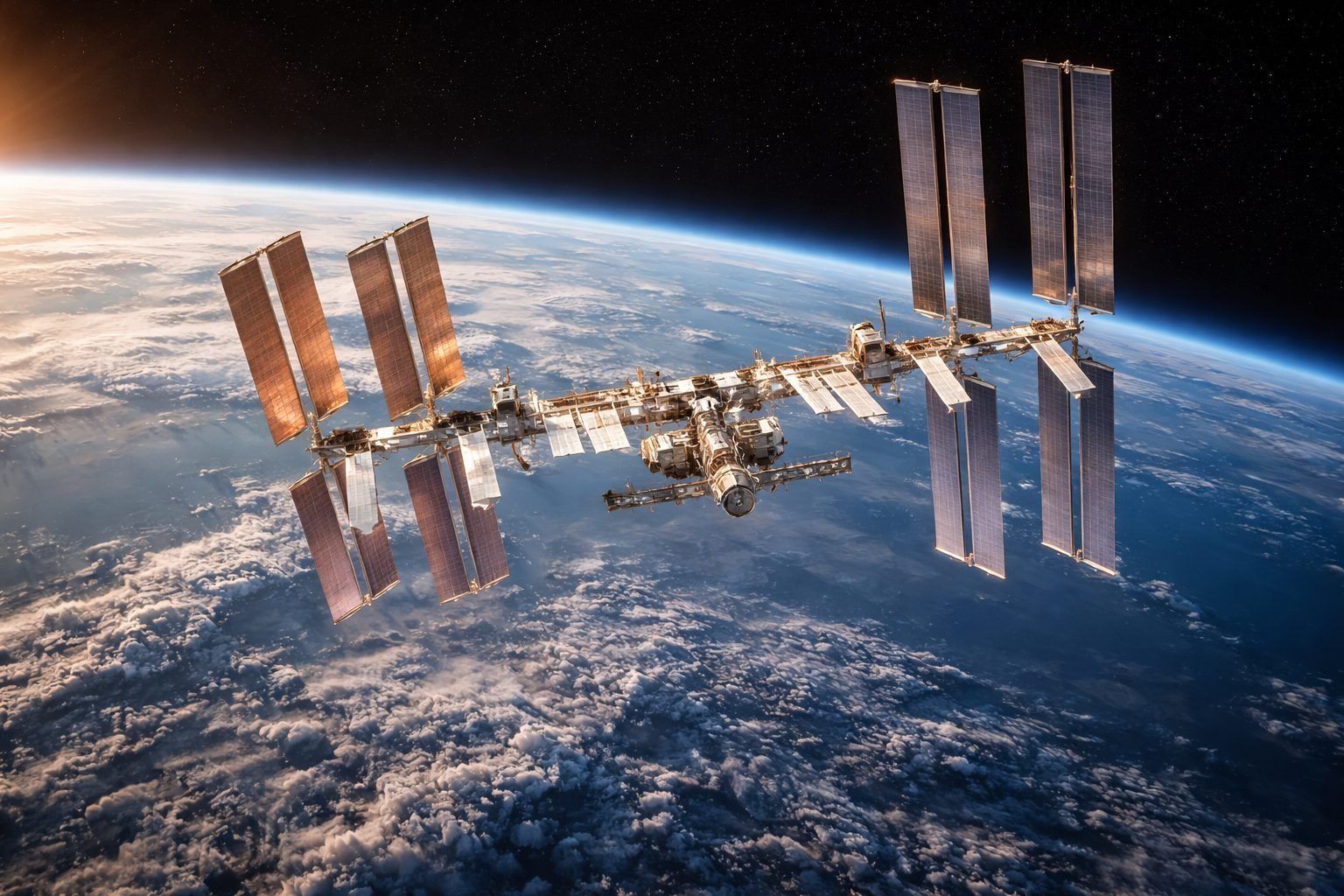
Commercial space travel for private individuals – often dubbed space tourism – has evolved from a sci-fi dream into a nascent industry over the past few decades. The first landmark came in April 2001, when American businessman Dennis Tito paid ~$20 million for a seat on a Russian Soyuz rocket and became the world’s first space tourist, spending seven days aboard the International Space Station britannica.com britannica.com. Tito’s pioneering flight proved that non-professionals could visit orbit – albeit after arduous training and at tremendous expense britannica.com. It opened the door for a handful of ultra-wealthy adventurers in the 2000s: South African Mark Shuttleworth followed in 2002, then American Gregory Olsen in 2005, Iranian-American Anousheh Ansari in 2006, software billionaire Charles Simonyi in 2007 and 2009, game developer Richard Garriott in 2008, and Cirque du Soleil’s founder Guy Laliberté in 2009 britannica.com britannica.com. Each paid tens of millions for trips to the ISS, and after Laliberté’s 2009 flight, this first era of orbital tourism paused for over a decade britannica.com.
16 June 2025
Go toTop