
New York, June 13, 2026, 12:04 (EDT).
- SpaceX ended its first day at $160.95, rising about 19% from its $135 IPO price. That gave it a market cap close to $2.1 trillion.
- Elon Musk reached trillionaire status after the debut as SpaceX moved into the top tier of U.S. companies by market cap.
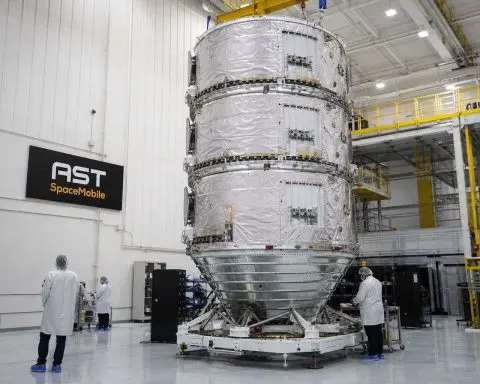
- Small-cap space stocks slid as investors shifted into SpaceX. Shares of Virgin Galactic, AST SpaceMobile, Intuitive Machines, Rocket Lab, and Planet Labs all dropped.
SpaceX jumped in its Nasdaq debut, closing Friday at $160.95 and valuing the company around $2.1 trillion. Elon Musk saw a huge boost as shares soared from their $135 IPO price. Some competing space stocks lost ground.
SpaceX set the price for 555,555,555 Class A shares at $135 each for its Nasdaq Global Select Market and Nasdaq Texas debut, trading under the SPCX ticker. Underwriters have 30 days to buy as many as 83,333,333 extra shares, according to the pricing statement. The $75 billion offering topped the 2019 Saudi Aramco IPO and put SpaceX over a $2 trillion valuation, Reuters reported.
Space stocks slid hard. Shares of Rocket Lab and Planet Labs each lost about 8%. Intuitive Machines dropped 11%. AST SpaceMobile was down more than 12%. Virgin Galactic fell close to 28%, Reuters said. Space ETFs were hit as well, losing between 1% and 6%. The funds had climbed for months with bets on the SpaceX listing.
Some strategists pointed to profit-taking and shifting positions as reasons for the drop. Chris Beauchamp, chief market analyst at IG Group, told Reuters there could be concern among investors that the “hype can’t quite live up to expectations.” Talley Léger, chief market strategist at The Wealth Consulting Group, said it may be “capital recycling,” with money leaving smaller stocks to make room for SpaceX. Reuters
SpaceX’s valuation goes beyond launches. The company is in reusable rockets, Starlink internet, AI, and xAI, it told investors in a roadshow. SpaceX pitched a $28.5 trillion “space, connectivity and AI” market. SEC Even so, the company isn’t profitable. Reuters put 2023 revenue at $18.7 billion. That’s a multiple of about 112 times sales. The Guardian reported a $4.3 billion operating loss for the same year. Reuters
SpaceX’s IPO is putting a spotlight on how control will look after the listing. The company’s filing spells out a dual-class structure. Class A shares come with one vote each, Class B with 10. Class B holders get to choose most of the board. SEC Analysts are watching Elon Musk’s influence, SpaceX’s move into AI, and the timeline for when retail investors could see SpaceX in index funds, The Guardian said.
SpaceX needed over two decades to reach the public market. Musk founded it in 2002 after selling PayPal. Falcon 1 made orbit in 2008, the first private liquid-fuel rocket to do so. Dragon reached the International Space Station in 2012. Starlink launches began in 2019. In 2021, NASA picked SpaceX for the Artemis lunar lander contract. Reuters That timeline has kept investors in, but trading on day one suggested Wall Street is sizing up SpaceX differently from less tested space stocks.
Related articles: NASDAQ:ASTS