
South Africa’s largest mobile operator will integrate Starlink’s low‑Earth‑orbit capacity into its network and resell the satellite service where licensed, targeting faster connectivity and better rural coverage across the continent.
Published: November 12, 2025
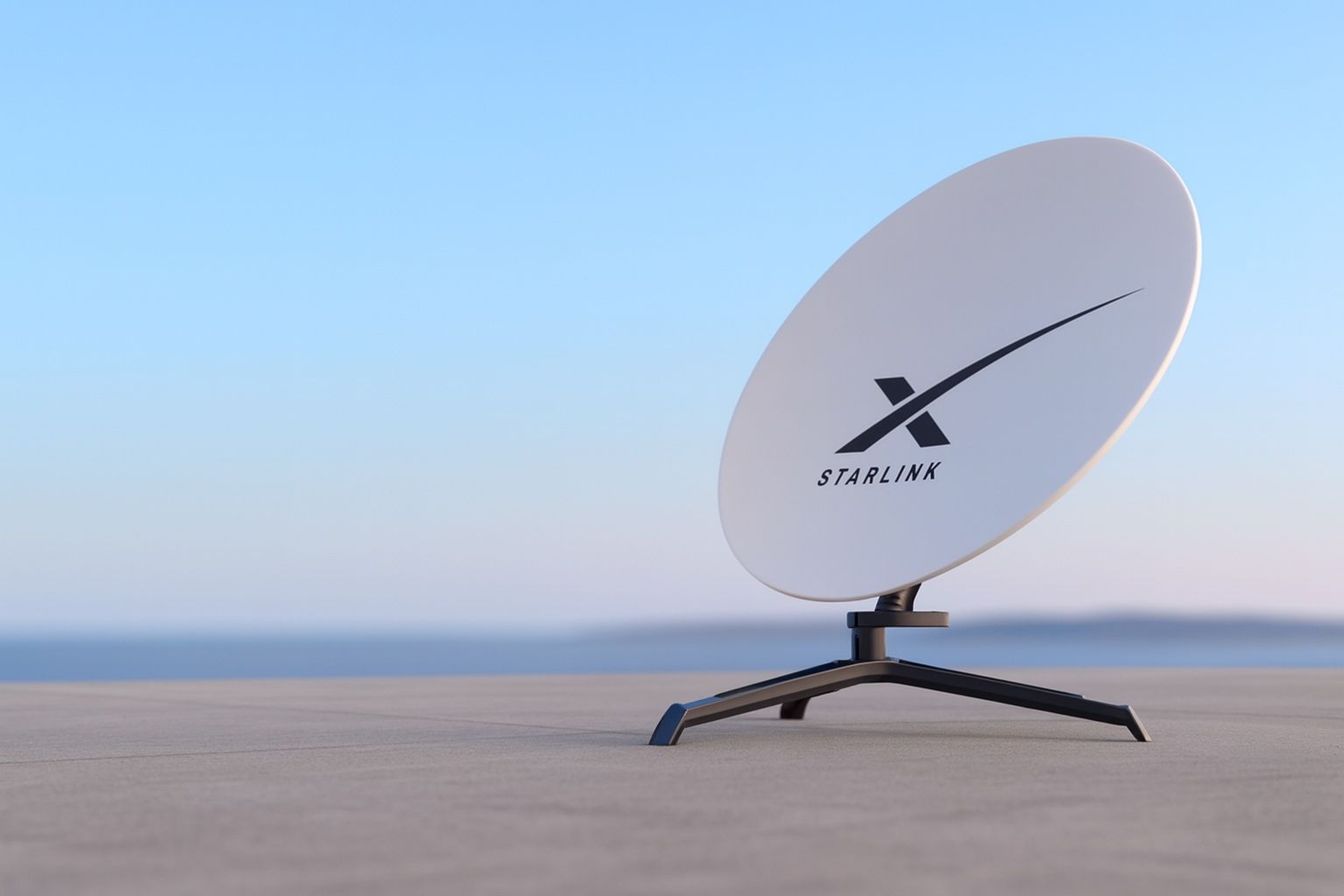
Vodacom Group has signed an agreement with Elon Musk’s Starlink to bring high‑speed, low‑latency internet to businesses across Africa, marking one of the highest‑profile tie‑ups yet between a major African carrier and a satellite provider. Vodacom said it will fold Starlink’s technology into its mobile network and is authorized to resell Starlink equipment and services to customers in African markets.
What’s in the deal
The partnership centers on integrating Starlink’s satellite capacity—used as network “backhaul,” the data pipelines that connect cell sites to the broader internet—so Vodacom can extend and strengthen coverage more quickly, especially outside cities. The companies said the approach aims to boost network performance in rural areas and accelerate expansion timelines. Moneyweb
Vodacom’s move is designed to complement its existing terrestrial footprint, which spans more than 223 million customers across its African operations but still faces the continent’s enduring obstacles: sparse populations, challenging terrain and lower smartphone penetration that make conventional tower builds costly and slow.
Why it matters
LEO (low‑Earth‑orbit) satellite constellations like Starlink can plug hard‑to‑reach gaps in mobile networks, providing instant long‑distance links without waiting for fiber or microwave routes. That can translate into quicker site activations and more resilient service during outages or in remote industries such as mining, agriculture and logistics—areas where African operators see rising demand. (Industry context; analysis)
Starlink, owned by SpaceX, is already serving customers in 25 African countries, according to the company. “Starlink is already serving people, businesses, and organisations in 25 African countries,” SpaceX vice president Chad Gibbs said, framing the Vodacom tie‑up as a way to reach more users. Moneyweb
Licensing and timing
Vodacom emphasized that deployments will proceed “where Starlink has been licensed,” underscoring that national approvals remain decisive market by market. CEO Shameel Joosub said the company continues to work with multiple satellite providers—including Starlink, AST SpaceMobile and Amazon’s Project Kuiper—depending on local regulatory conditions. Reuters
In South Africa specifically, operating rules have been a sticking point for Starlink, which has tended to avoid equity or ownership arrangements. Policymakers have been weighing adjustments that could allow “equity‑equivalent” programs as an alternative to strict ownership requirements—changes that would broaden options for international tech players. Moneyweb
Competitive pressure is building
Vodacom’s biggest cross‑continent rival, MTN Group, is also exploring satellite partnerships, reflecting a broader race among African carriers to blend space‑based capacity with terrestrial networks. Meanwhile, Vodafone—Vodacom’s UK‑based majority shareholder—has forged relationships with both Amazon’s Kuiper and AST SpaceMobile, highlighting the strategic bet large operators are making on hybrid satellite‑mobile architectures.
The bigger picture
For African connectivity, the deal signals a pragmatic turn: operators don’t need to own satellites to benefit from them. By purchasing wholesale satellite backhaul and reselling terminal kits where permitted, carriers can reach underserved communities, enterprises and public‑sector users faster, while keeping spectrum management, billing and local service in familiar hands. (Industry context; analysis)
What to watch next: country‑by‑country licensing outcomes, service tiers and pricing for enterprise and SME customers, and how quickly satellite‑backed sites translate into measurable improvements in coverage and network reliability. If approvals move swiftly—and if integration proves cost‑effective—expect hybrid satellite‑mobile rollouts to become a standard tool in African operators’ playbooks.
Editor’s note: This article is based on statements and reports current as of November 12, 2025. Key details were drawn from Vodacom’s announcement and subsequent reporting by Reuters and Bloomberg.