Today: 29 June 2026
Browse Category

JSE:VOD 23 February 2025 - 12 November 2025

Inside Lesotho’s Digital Divide: The Truth About Internet Access and Satellite Connectivity

Inside Lesotho’s Digital Divide: The Truth About Internet Access and Satellite Connectivity

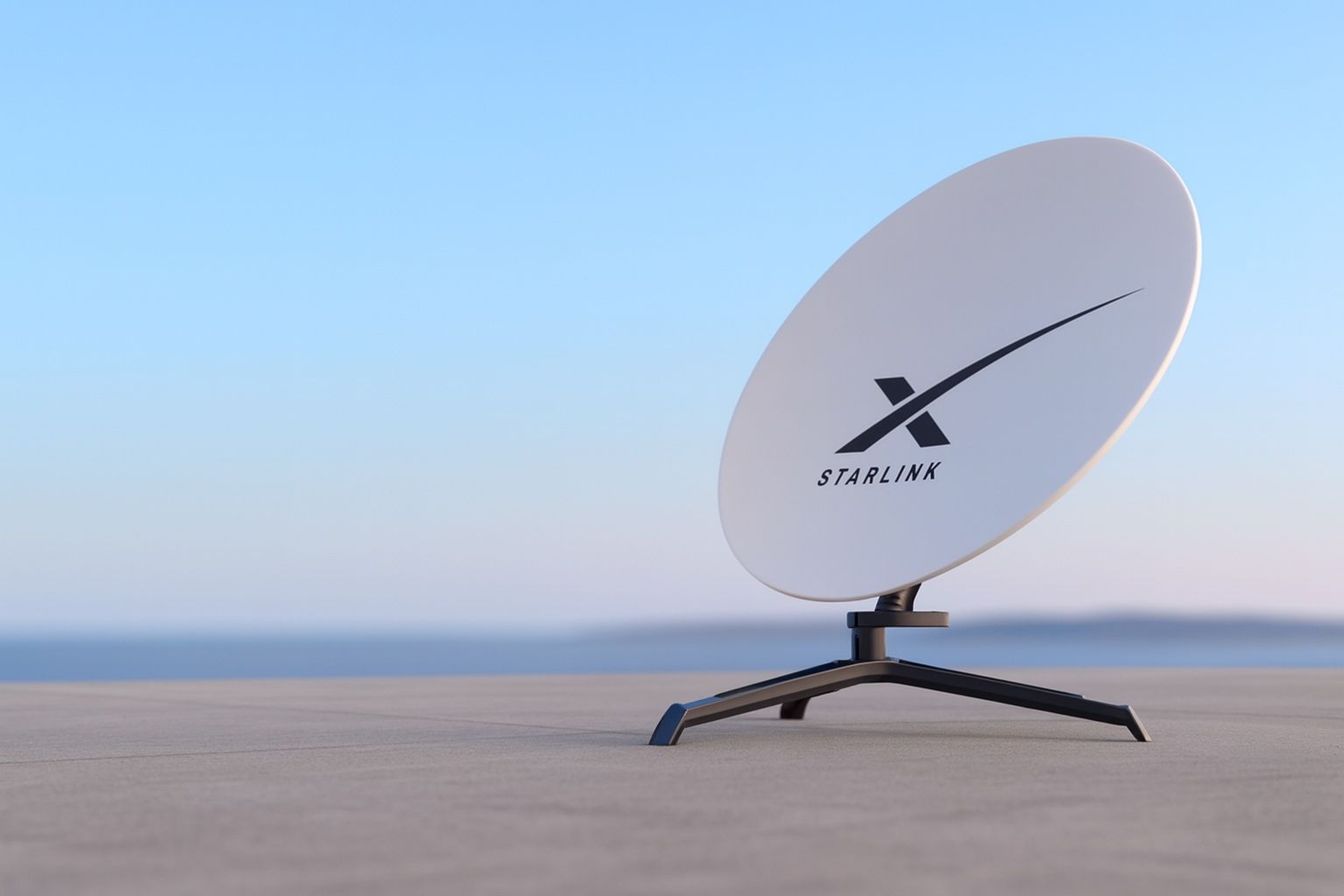
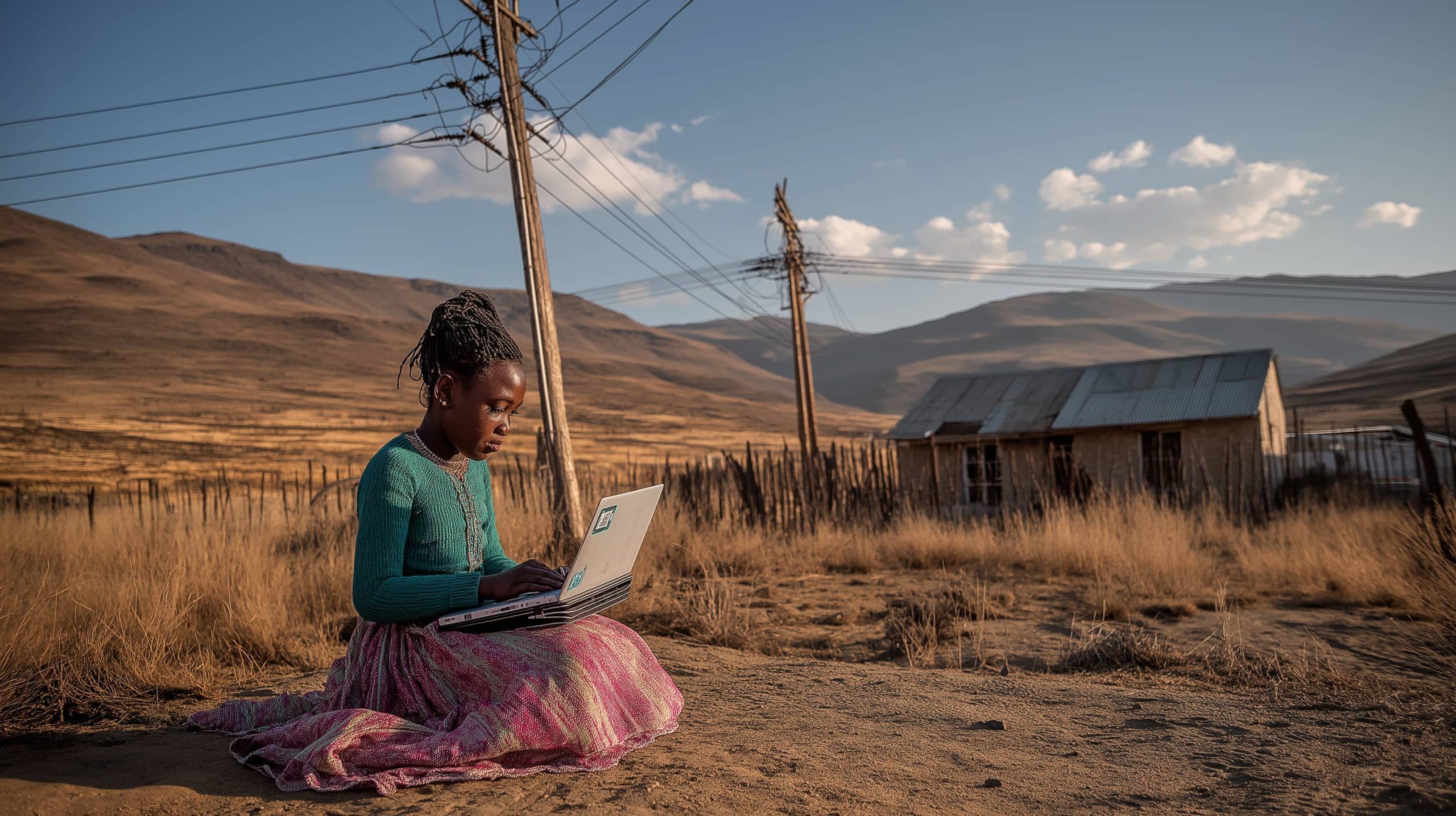
Lesotho, a small mountainous kingdom landlocked by South Africa, faces a classic digital divide between its urban centers and remote highland communities. Internet access has expanded significantly over the past decade through mobile networks, yet about half of Basotho remain offline datareportal.com. This report provides a comprehensive look at how people in Lesotho get online – from city dwellers with smartphones to rural villagers awaiting connectivity – and examines the technologies, providers, policies, and challenges shaping the country’s digital landscape in 2025. Key topics include the stark urban–rural differences in internet usage, the dominance of mobile broadband as the primary access mode, the nascent arrival of satellite internet services like Starlink, the state of fixed broadband infrastructure, pricing and affordability issues, and the government’s efforts and future plans to bridge the digital divide. Internet access in Lesotho is marked by a significant urban–rural gap. In urban areas, internet usage is relatively high – an estimated 77% of individuals in cities use the internet. In contrast, in rural areas, only about 43% of people use the internet, creating a 34% usage gap between urban and rural populations lca.org.ls. This disparity stems from multiple factors: urban centers like Maseru enjoy better network

12 August 2025
South Africa’s Internet Access Revolution: The Shocking Truth About Connectivity in 2025

South Africa’s Internet Access Revolution: The Shocking Truth About Connectivity in 2025

South Africa’s internet infrastructure has transformed dramatically over the past decade, moving from copper phone lines to lightning-fast fiber optics and 5G wireless. Fixed-line broadband is now dominated by fiber, as old ADSL connections vanish. Telkom – the former monopoly – had over 1 million ADSL subscribers at its peak around 2015, but by the end of 2024 fewer than 36,000 remained on copper lines mybroadband.co.za mybroadband.co.za. This 96% collapse in DSL usage reflects customers migrating to fiber and wireless broadband. Fiber-to-the-home subscriptions surged from 1.49 million in 2023 to 2.47 million in 2024 newsletter.en.creamermedia.com – a jump driven by aggressive rollouts from Telkom’s Openserve, Vumatel, and other fiber network operators. Major cities now enjoy extensive fiber coverage, delivering high-speed, uncapped internet to homes and businesses. Meanwhile, mobile internet reigns supreme for most South Africans. Over 69% of internet users go online via mobile devices, whereas only about 13% of households have a fixed-line home internet connection freedomhouse.org. All four mobile network operators provide extensive 3G/4G coverage – reaching 99% of the population for 3G and 4G LTE newsletter.en.creamermedia.com. Mobile broadband is often the only option in townships and rural areas where laying fiber is costly. Public Wi-Fi initiatives also
No Signal: The Shocking Digital Divide in the DRC and the Race to Connect Millions

No Signal: The Shocking Digital Divide in the DRC and the Race to Connect Millions

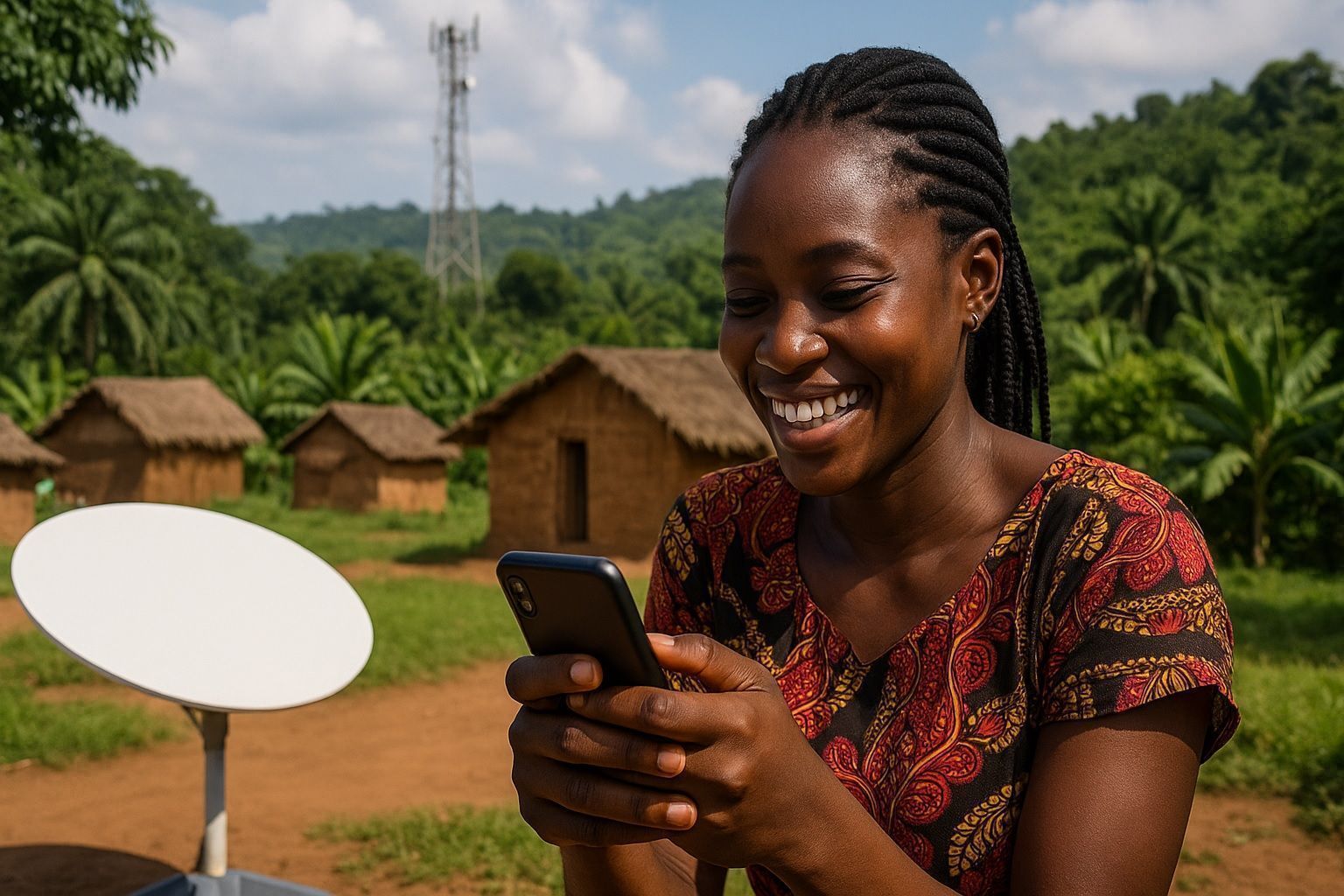
The Democratic Republic of the Congo is a country of over 100 million people, but only about 27% of the population was using the internet as of early 2024 datareportal.com. This means roughly 75 million Congolese remain offline, a staggering digital gap in the heart of Africa datareportal.com. For comparison, just a decade ago in 2013 there were only 1.4 million internet users in the DRC; by 2023 that number surged to 28.9 million – a 40% jump in mobile internet subscribers in three years developingtelecoms.com. Yet despite this growth, the vast majority of citizens still lack basic internet access. Urban residents of Kinshasa or Lubumbashi can watch YouTube or send emails, but many rural villagers live in digital darkness, cut off from the online world. What’s behind this extreme digital divide, and what is being done to bridge it? This report dives into the state of internet access in the DRC, from its threadbare infrastructure to bold new initiatives, revealing an alarming reality – and the opportunities for change. Internet infrastructure in the DRC remains severely underdeveloped. The country’s size and history of conflict have impeded building modern networks. There is no true national fiber-optic backbone linking all provinces
Internet Access in Mozambique

Internet Access in Mozambique

Mozambique’s internet infrastructure is still developing and heavily reliant on mobile networks. Fixed-line broadband penetration is minimal, with the state-owned Telecomunicações de Moçambique being the only operator offering integrated fixed-line services​ trade.gov. The country is primarily served by three mobile network providers: International connectivity has improved significantly over the past decade. Mozambique is connected to multiple submarine fiber-optic cables, including the SEACOM and EASSy cables that landed in 2009–2010​ wikiwand.com. In 2023, the new 2Africa subsea cable landed in Maputo and Nacala, further boosting bandwidth and redundancy​ trade.gov. This expansion of undersea cables has reduced reliance on older satellite gateways and neighboring countries for international transit​ wikiwand.com. Mozambique also operates an Internet Exchange Point to keep local traffic domestic​ wikiwand.com.
23 February 2025
Go toTop