Today: 30 June 2026
Browse Category

EPA:ORA 7 June 2025 - 2 September 2025

Mali’s Internet Revolution: Surprising Facts & Bold Plans for a Digital Future

Mali’s Internet Revolution: Surprising Facts & Bold Plans for a Digital Future

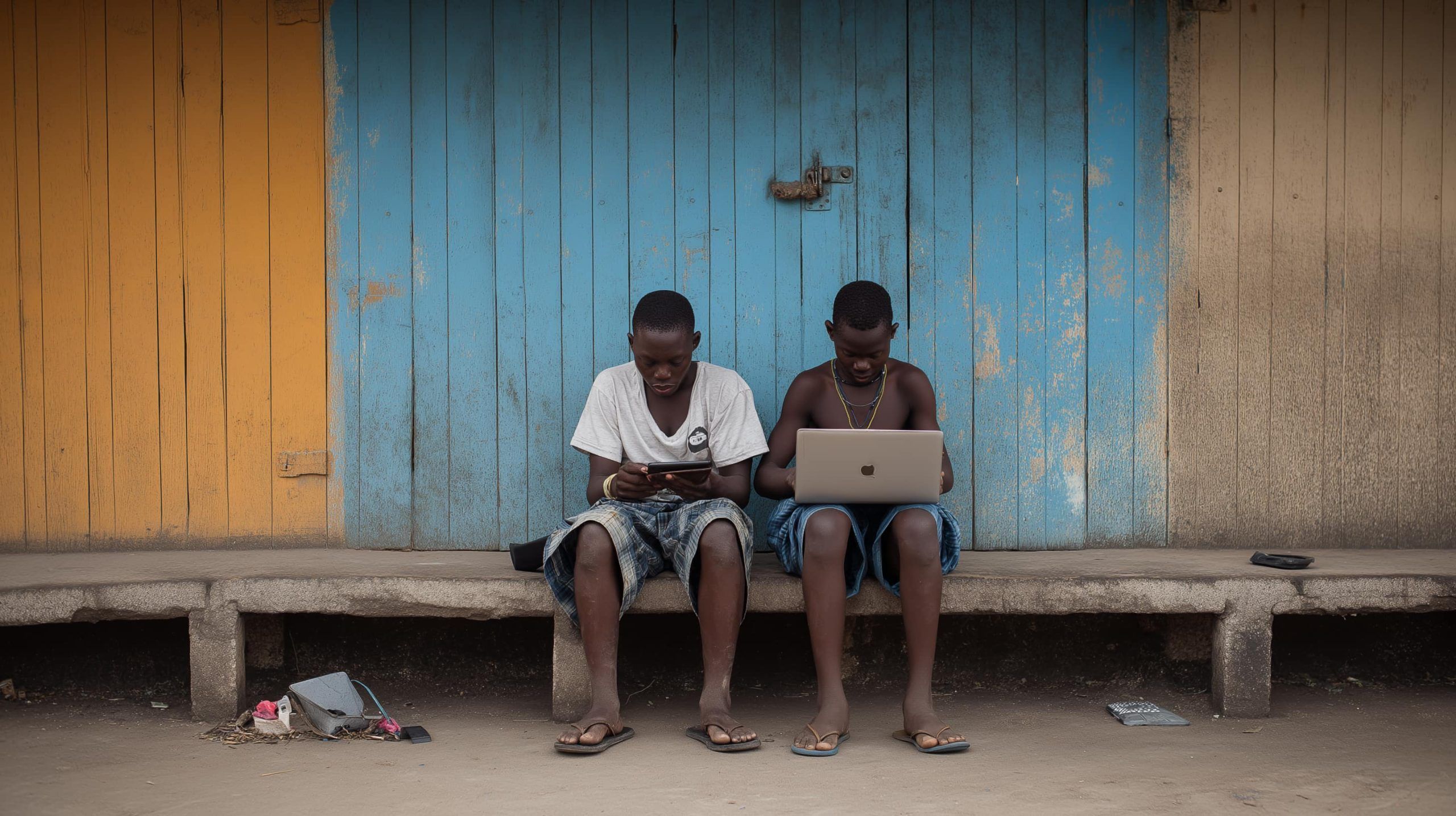
Mali, a large landlocked nation in West Africa, is undergoing a digital transformation against challenging odds. Internet access has grown from almost zero at the turn of the century to reaching roughly a third of the population today extensia.tech. This expansion is driven primarily by mobile phones, as fixed broadband infrastructure is scarce developingtelecoms.com. However, millions of Malians – especially in rural and conflict-prone areas – remain offline, highlighting a significant digital divide. In this report, we delve into the state of internet access in Mali, covering how people get online, who provides the service, the hurdles faced in building networks, and what initiatives are underway to connect the unconnected. We also examine new developments like satellite internet and assess what the future may hold for Mali’s digital landscape. Internet availability in Mali has improved markedly in recent years but is still limited in scope. As of early 2025, roughly 8.7 million Malians were using the internet – about 35% of the population extensia.tech. This means two out of three people in Mali do not have any internet access yet, a penetration rate well below the global average. The vast majority of users come from urban centers and more developed
2 September 2025
How Guinea Is Quietly Getting Online: The Untold Story of Internet Access and Satellite Expansion

How Guinea Is Quietly Getting Online: The Untold Story of Internet Access and Satellite Expansion

Guinea, a West African nation often overshadowed by its neighbors, is undergoing a quiet digital transformation. Long marked by limited connectivity, the country is now seeing gradual improvements in internet access through mobile network expansion, new fiber-optic infrastructure, and emerging satellite services. This report provides a comprehensive overview of Guinea’s internet landscape – from current infrastructure and service providers to government initiatives and challenges – and compares its progress with neighboring countries. Despite low baseline indicators, recent developments suggest Guinea is steadily getting online, bridging a digital divide in a way that has largely gone untold. Guinea’s internet infrastructure remains in early stages of development, but it spans multiple technologies: mobile networks dominate, while fixed broadband and public access points are nascent.

Global Tech Shake-Up: Space Force’s Secret Spaceplane, Telecom Megahack, and Chip Industry Bombshells (Aug 22–23, 2025)

Global Tech Shake-Up: Space Force’s Secret Spaceplane, Telecom Megahack, and Chip Industry Bombshells (Aug 22–23, 2025)

Sources: Key information and quotes in this report are drawn from Reuters, Spaceflight Now, SC Media, Vice, and official company releases reuters.com reuters.com spaceflightnow.com scworld.com reuters.com reuters.com reuters.com spaceflightnow.com reuters.com reuters.com ts2.tech, among others. All developments are current as of August 23, 2025.
Sierra Leone’s Internet Revolution: Mobile Boom, Fiber Dreams & Starlink’s Arrival

Sierra Leone’s Internet Revolution: Mobile Boom, Fiber Dreams & Starlink’s Arrival

Sierra Leone’s internet connectivity is undergoing a slow but notable transformation. As of early 2025, roughly 1.8 million Sierra Leoneans were using the internet – just about 20% of the population datareportal.com datareportal.com. Mobile phones are the primary gateway to get online, with about 8.66 million cellular mobile connections active datareportal.com. However, many of these mobile SIMs are used for basic voice/SMS services or held by people with multiple SIMs, so actual internet usage remains relatively low. In fact, an estimated 79% of the population is still offline as of 2025 datareportal.com, highlighting the significant digital divide that persists despite recent gains. Mobile broadband has become increasingly available, accounting for about 79% of all mobile connections datareportal.com. This indicates that most active SIM cards are now on networks that can deliver data services. Yet being on a 3G/4G network doesn’t guarantee regular internet use – cost, coverage gaps, and device limitations mean many Sierra Leoneans remain disconnected in practice. Overall, the country’s internet landscape can be characterized as mobile-centric but underutilized, with connectivity largely concentrated in cities and major towns while rural areas lag behind.
22 August 2025
OpenAI’s Explosive August 2025: GPT-5 Launch, $500B Frenzy & AI Controversies Rock Tech World

OpenAI’s Explosive August 2025: GPT-5 Launch, $500B Frenzy & AI Controversies Rock Tech World

OpenAI Unveils GPT-5: On August 7, OpenAI introduced GPT-5, billing it as “our smartest, fastest, most useful model yet, with built-in thinking that puts expert-level intelligence in everyone’s hands”. This next-generation AI system marks a significant leap over previous models, delivering state-of-the-art performance across domains from coding and math to writing, health, and even visual perception openai.com. GPT-5 uses a unified model architecture that can decide in real time when to respond instantly versus when to “think longer” on complex prompts openai.com. The model was immediately rolled out to ChatGPT: all users gain access, ChatGPT Plus subscribers get expanded usage, and ChatGPT Pro customers unlock GPT-5 Pro, a version with extended reasoning for even more in-depth answers openai.com. Breakthrough Capabilities: Early evaluations show GPT-5 topping numerous benchmarks. It excels at extended reasoning and structured problem-solving, producing more accurate, detailed answers than its predecessors openai.com. OpenAI highlighted especially strong gains in three of ChatGPT’s most popular use cases – writing, coding, and healthcare assistance openai.com openai.com. Under the hood, GPT-5 actually combines multiple specialized models: a fast default responder, a deeper “GPT-5 thinking” model for hard problems, and a smart router that decides which to deploy based on the query’s complexity
21 August 2025
Moldova’s Internet Revolution: From Lightning-Fast Fiber to Starlink’s Rural Lifeline in 2025

Moldova’s Internet Revolution: From Lightning-Fast Fiber to Starlink’s Rural Lifeline in 2025

Moldova is experiencing an internet connectivity boom that few might expect from one of Europe’s smaller and poorer nations. In 2025, this country boasts some of the fastest and most affordable internet access in the world en.wikipedia.org moldova.mom-gmr.org. High-speed broadband networks blanket the cities and even reach deep into rural areas, while new technologies like 5G mobile and satellite internet are expanding connectivity where cables can’t. Around 80% of Moldovans are now online datareportal.com, enjoying widespread fiber-optic coverage and mobile broadband services that rival those in more developed markets. This report provides a comprehensive look at Moldova’s internet access landscape in 2025 – from fixed broadband and mobile internet to satellite services – including key providers, speeds, pricing, coverage gaps, government initiatives, and future outlook. Moldova’s fixed broadband infrastructure is remarkably robust for its size. The country ranks 3rd in the world for gigabit fiber coverage, with around 90% of the population having access to gigabit-speed internet plans en.wikipedia.org. This is backed by extensive fiber-to-the-home networks and cable systems that deliver ultra-fast connections. In fact, average fixed broadband download speeds reach about 120 Mbps, placing Moldova around 40th globally for fixed internet speed – above the global average moldova.mom-gmr.org. Such
Liberia’s Internet Revolution: How 4G, Fiber and Starlink Are Connecting Every Corner of the Country

Liberia’s Internet Revolution: How 4G, Fiber and Starlink Are Connecting Every Corner of the Country

Liberia’s internet landscape is rapidly evolving from near-zero connectivity during the civil war years to a growing digital economy today. As of early 2025, roughly one-third of Liberians use the internet datareportal.com. This marks steady growth from just 19% internet penetration in 2019 a4ai.org. Still, almost 67% of the population remains offline datareportal.com, indicating a significant digital divide. Mobile phones are the primary on-ramp to the internet – Liberia had over 5.11 million mobile connections active in 2025 datareportal.com. By contrast, fixed broadband lines are extremely scarce datahub.itu.int. Internet usage trends: Connectivity is concentrated in cities, while rural Liberia lags behind. Urban residents enjoy far greater access to mobile networks and cybercafés, whereas many remote villages remain unconnected. Nevertheless, internet use is rising across the country as smartphone adoption increases and networks expand. Annual growth in internet users was around 6.5% from 2024 to 2025 datareportal.com. Social media use is also climbing, with about 16.6% of Liberians active on social platforms by 2025 datareportal.com datareportal.com. Compared to neighboring countries, Liberia’s ~30% internet penetration is ahead of Sierra Leone datareportal.com but trails Côte d’Ivoire datareportal.com, highlighting room for improvement.
15 August 2025
The Truth About Internet Access in Slovakia: How Fast, How Cheap, and Is Satellite the Future?

The Truth About Internet Access in Slovakia: How Fast, How Cheap, and Is Satellite the Future?

Slovakia’s internet landscape offers a mix of ultra-fast fiber in cities, widespread mobile broadband, and emerging satellite options. Overall connectivity is strong – nearly all households can get online – and prices are notably affordable by European standards. This report provides a comprehensive look at how Slovaks connect to the internet: the types of access available, coverage in urban vs. rural areas, major service providers, typical speeds and latency, quality and reliability, government initiatives, and how Slovakia compares with EU and global benchmarks. We’ll also explore the rise of satellite internet and whether it could shape the future of broadband in Slovakia. Slovakia has a diverse mix of internet access technologies, ensuring connectivity in most parts of the country. Key access types include:
Inside the Struggle for Internet Access in Western Sahara: From Political Blackouts to Satellite Lifelines

Inside the Struggle for Internet Access in Western Sahara: From Political Blackouts to Satellite Lifelines

Western Sahara – a sparsely populated desert territory disputed between Morocco and the Sahrawi Arab Democratic Republic – faces unique challenges in connecting to the digital world. The region’s political limbo and harsh geography have historically kept it on the margins of internet development. Basic telecom statistics weren’t even tracked separately for Western Sahara for many years due to its contested status en.wikipedia.org. Yet, as the internet becomes essential for economic growth, education, and activism, Western Sahara’s people are striving to get online. This report delves into the current state of internet access in Western Sahara, the providers and infrastructure that enable it, and the obstacles – political, geographic, and economic – that still hamper connectivity. It also compares Western Sahara’s digital landscape with its neighbors and highlights initiatives aimed at bridging the digital divide in Africa’s last colony. Internet use in Western Sahara has grown markedly in recent years, though it still lags behind the global average. As of January 2024, there were roughly 398,000 internet users in Western Sahara, representing about 67.1% of the population datareportal.com. This is a dramatic rise – the user base jumped by 19% in one year datareportal.com – indicating rapid uptake of digital
Inside Madagascar’s Internet Revolution: From Mobile Networks to Starlink Skies

Inside Madagascar’s Internet Revolution: From Mobile Networks to Starlink Skies

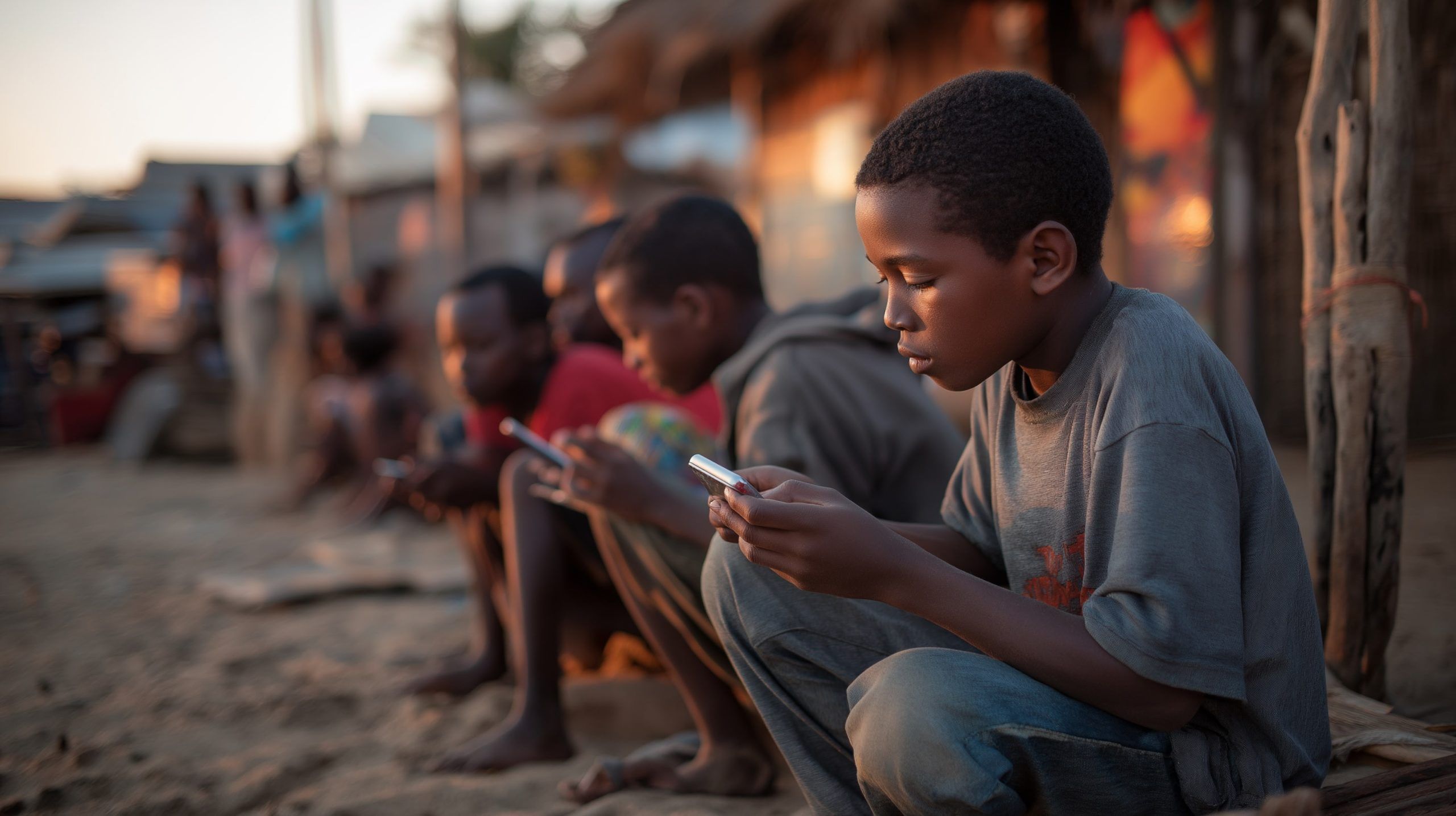
Madagascar’s internet landscape is undergoing a dramatic transformation. Once characterized by low connectivity and patchy infrastructure, the island nation is now embracing new technologies and investments to bridge its digital divide. From the expansion of mobile networks across its vast rural countryside to the arrival of cutting-edge satellite services like Starlink, Madagascar is poised for an “internet revolution.” This report provides a comprehensive look at the state of internet access in Madagascar, including infrastructure developments, user demographics, key service providers, government initiatives, satellite internet’s growing role, costs and challenges, comparisons with other African nations, and future outlook. The goal is to paint a clear and engaging picture of how Madagascar is connecting its people – and how far it still has to go. Madagascar’s internet infrastructure rests on a mix of undersea fiber cables, a national fiber backbone, and mobile wireless networks. In recent years, international connectivity has improved significantly. The country is now connected to four major submarine fiber-optic cables: EASSy, LION/LION2, METISS, and the newly landed 2Africa system dig.watch dig.watch. These cables link Madagascar to the global internet, landing at coastal cities like Toamasina, Toliara, and Mahajanga. For example, the Eastern Africa Submarine Cable System runs along Africa’s
Senegal’s Internet Revolution: How Fiber, 5G, and Policy Are Connecting a Nation

Senegal’s Internet Revolution: How Fiber, 5G, and Policy Are Connecting a Nation

Senegal is experiencing a digital transformation as internet access expands rapidly across the country. Over half of Senegal’s population now uses the internet, thanks largely to the boom in mobile broadband and recent investments in fiber optics Datareportal Ecofinagency. The government has prioritized digital development through ambitious strategies and infrastructure projects, aiming to make Senegal a regional tech hub by 2035 Budde Wearetech. However, significant challenges remain – from urban-rural disparities and high costs, to power supply and digital literacy issues. This report provides a detailed overview of the state of internet access in Senegal, covering infrastructure, services, providers, policies, and how the country compares with its West African peers. Senegal’s internet usage has grown impressively in recent years. As of January 2025, about 11.3 million individuals were using the internet in Senegal, representing 60.6% of the population Datareportal. In other words, roughly 4 in 10 Senegalese were still offline at the start of 2025, indicating room for further growth Datareportal. Most Senegalese access the internet through mobile devices – the country had 22.7 million active mobile connections in early 2025 Datareportal. Broadband connectivity is widespread on these networks: about 90% of Senegal’s mobile connections are now on 3G, 4G,
The Real Wi-Fight: Romania’s Race to Connect Every Corner of the Country

The Real Wi-Fight: Romania’s Race to Connect Every Corner of the Country

Romania’s journey to widespread internet access began in the early 1990s, after the fall of communism. The country’s first connection to the Internet was established in 1993 ici.ro, relatively late compared to Western Europe, but this late start allowed Romania to leapfrog older technologies. In the late 1990s and early 2000s, tech-savvy Romanians in urban apartment blocks created their own neighborhood local area networks by stringing Ethernet cables between buildings thecgo.org. These informal grassroots networks – often set up to share files, games, and pirated media – flourished due to lax regulation, resulting in visible nests of overhead wires in cities thecgo.org thecgo.org. When commercial internet service took off toward the late 1990s, Romania’s weak telephone infrastructure meant DSL never became widespread. Instead, those apartment LANs evolved into dozens of small ISPs that jumped directly to fiber-optic technology, bypassing the slower DSL era thecgo.org. This head start in deploying fiber in urban areas led to remarkably fast internet speeds. By the early 2010s, Romania had a reputation for blazing broadband: as of 2020 it ranked third in the world for fastest fixed internet, behind only Singapore and Hong Kong thecgo.org. The capital Bucharest became a “digital fantasy” for travelers, brimming
Internet Access in France: From Fiber to Satellite and Everything In Between

Internet Access in France: From Fiber to Satellite and Everything In Between

France has made remarkable progress in expanding internet access nationwide through a diverse mix of technologies – from widespread fiber-optic broadband in cities to satellite links reaching remote hamlets. Today, the vast majority of French households can access high-speed internet. Fiber-optic networks have rapidly rolled out across urban and rural areas, replacing legacy DSL copper lines and offering gigabit speeds. In parallel, cable broadband remains in some locales, and mobile networks provide both on-the-go connectivity and home broadband solutions in areas lacking wired service. For the most hard-to-reach areas, satellite internet options – including SpaceX’s Starlink and European satellite services – ensure every corner of France can get online. This report provides an overview of these internet access types, the major service providers and their coverage, urban versus rural connectivity gaps, available satellite services, government initiatives to bridge the digital divide, pricing and quality trends, recent developments, and a look at future connectivity innovations on the horizon. The tone is informative yet accessible, aimed at helping a general audience understand how people in France get online and what changes to expect next. France utilizes multiple technologies to deliver internet access, each with its own coverage footprint and performance characteristics. The
21 June 2025
Beyond Cell Coverage: The Ultimate 2025 Guide to Satellite Texting Services

Beyond Cell Coverage: The Ultimate 2025 Guide to Satellite Texting Services

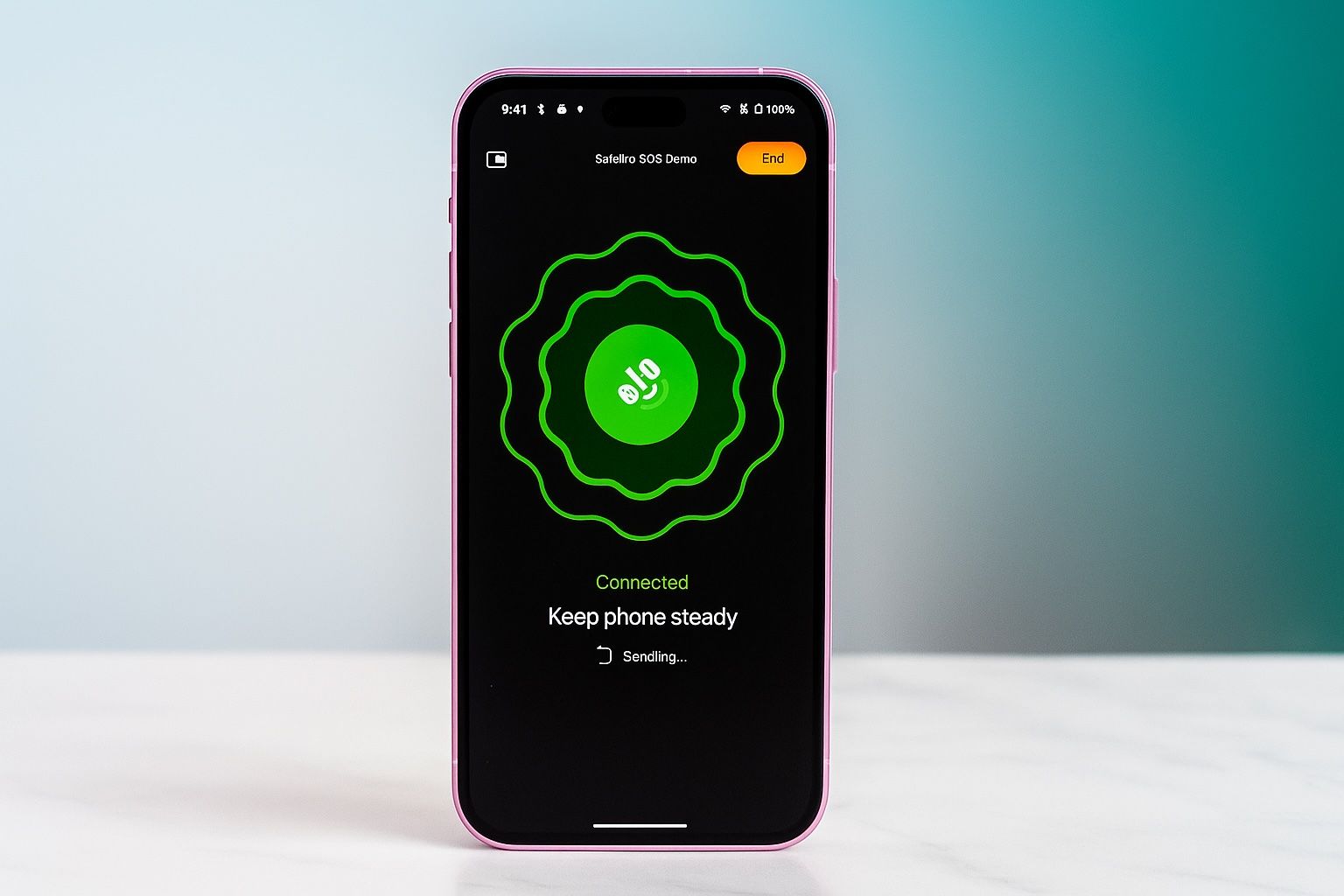
Satellite texting services are revolutionizing off-grid communication, allowing people to send text messages via satellites when cellular networks are out of reach. From hikers using handheld satellite messengers to military units relying on secure satcom links, these services keep us connected virtually anywhere on the planet. In this comprehensive guide, we’ll explore consumer offerings, enterprise and government applications, the technologies and networks behind them, and compare features, pricing, coverage, and more. We’ll also delve into legal/regulatory issues, security considerations, emerging innovations, as well as the challenges and limitations facing satellite texting. In areas with no cell reception – deep wilderness, offshore waters, disaster zones, or high-altitude regions – satellite texting services enable essential communication when it would otherwise be impossible. Unlike traditional satellite phones that focus on voice calls, these services specialize in SMS-style messaging and short data transmissions via satellites. They have become essential safety tools for adventurers, sailors, and pilots, allowing users to “get out a message nearly anywhere” when needed gearjunkie.com. Satellite messengers often include SOS emergency features, sending distress signals to rescue coordination centers even when off the grid. Increasingly, everyday smartphones are gaining satellite texting abilities as well – a trend kicked off by Apple’s
State of Internet Access in Jordan: From Fiber Optics to Starlink

State of Internet Access in Jordan: From Fiber Optics to Starlink

Jordan has emerged as one of the Middle East’s more connected nations, with over 90% of its population now online freedomhouse.org. Driven by ambitious digital strategies and telecom sector investments, the country’s internet infrastructure spans modern fiber-optic networks, widespread mobile broadband, and new satellite services like Starlink. This report provides a comprehensive overview of internet access in Jordan as of 2025 – from the dominance of fiber in fixed broadband to the rollout of 5G and the arrival of LEO satellite internet. It examines the major service providers and market share, the affordability and accessibility of services for consumers, government policies shaping the sector, urban-rural coverage gaps, network performance and user experience, comparisons with regional peers, and the future outlook for Jordan’s digital connectivity. Key statistics and recent trends are highlighted to illustrate the state of internet access in Jordan in 2025. Jordan’s internet infrastructure is a mix of robust fiber-optic backbones, legacy copper lines, extensive mobile broadband networks, and increasingly, satellite links. The government and operators have invested heavily in upgrading networks over the past decade, achieving nationwide 4G coverage and accelerating fiber deployment freedomhouse.org. Below is a summary of key connectivity modes in Jordan:
14 June 2025
Inside Morocco’s Internet Revolution: From Fiber Optics to Satellite Access

Inside Morocco’s Internet Revolution: From Fiber Optics to Satellite Access

Morocco has experienced a dramatic expansion in internet connectivity over the past decade. As of early 2024, there were 34.47 million internet users in the country, representing an internet penetration rate of about 90.7% of the population datareportal.com datareportal.com. The vast majority of Moroccans online access the internet via mobile networks, reflecting the country’s strong mobile market. In fact, mobile phone subscriptions exceed the population size – with 51.36 million cellular connections as of 2024 datareportal.com. This high penetration is due to many users owning multiple SIMs and the ubiquity of mobile service. The mobile market is served by three major telecom operators: Maroc Telecom, Orange Maroc, and Inwi, which together dominate both mobile and fixed internet services trade.gov. Maroc Telecom is the former state incumbent and the largest provider, while Orange and Inwi are the other key players. According to recent figures, Maroc Telecom holds about 42.9% of the mobile market, Orange 33.2%, and Inwi 23.9% trade.gov. These three companies also offer fixed-line internet and effectively account for almost all internet subscriptions in Morocco trade.gov trade.gov. Infrastructure: Morocco’s internet infrastructure is a mix of robust backbone networks and last-mile connectivity that is still evolving. Fiber-optic cables form the core
The Digital Desert: Inside Equatorial Guinea’s Struggle for Internet Access

The Digital Desert: Inside Equatorial Guinea’s Struggle for Internet Access

Equatorial Guinea is an oil-rich nation often dubbed a “digital desert” due to its severely limited internet access. Despite one of Africa’s highest GDPs per capita, the country has among the world’s worst connectivity in terms of cost, speed, and availability newscentral.africa connectingafrica.com. With internet prices reaching nearly $50 per gigabyte – the most expensive globally connectingafrica.com connectingafrica.com – going online remains a luxury few can afford. This report explores how historical, infrastructural, and political factors have shaped Equatorial Guinea’s internet landscape, and what efforts are underway to bridge the digital divide. Equatorial Guinea came late to the internet revolution. Full internet access was first introduced in 1997 via a connection through France integrallc.com. For many years afterward, growth was slow under a state-controlled telecom monopoly. By 2010, only about 2% of the population were internet users integrallc.com. A single state-owned provider, GETESA, dominated the market, and connectivity was initially delivered mainly through expensive satellite links integrallc.com integrallc.com.
12 June 2025
Internet Access in Cuba: From Control to Constellations

Internet Access in Cuba: From Control to Constellations

Cuba was relatively late to join the global internet. The first internet connection on the island was established in 1996 – a modest 64 Kbps link via Sprint in the United States en.wikipedia.org. Throughout the late 1990s and early 2000s, expansion of internet access stagnated due to a combination of factors. The post-Soviet economic crisis left Cuba with scarce funds for new technology, and the government was wary that foreign internet investment could threaten national sovereignty en.wikipedia.org. Additionally, the U.S. embargo made it difficult and costly for Cuba to acquire modern networking equipment en.wikipedia.org. During this period, internet access was tightly controlled: ordinary Cubans could not legally buy computers or cell phones without special permits until 2008 en.wikipedia.org. Before then, connectivity was largely limited to government institutions and shared public terminals, often running over slow satellite links that made access prohibitively expensive en.wikipedia.org worldcrunch.com. Significant change began in the 2010s. In 2011, with help from Venezuela, Cuba installed the ALBA-1 undersea fiber-optic cable, its first fiber link to the global internet. After much secrecy and delay, ALBA-1 became operational for public use in January 2013 en.wikipedia.org, replacing the old satellite-based backbone. This new cable dramatically increased Cuba’s international bandwidth en.wikipedia.org
8 June 2025
Côte d’Ivoire’s Internet Revolution: Fiber Optics, 5G Dreams, and Satellite Solutions

Côte d’Ivoire’s Internet Revolution: Fiber Optics, 5G Dreams, and Satellite Solutions

Côte d’Ivoire is undergoing a digital transformation, rapidly expanding internet infrastructure and connectivity across the country Trade. Fueled by government ambition to become a West African digital hub Trade, investments in fiber-optic networks, mobile broadband, and even satellite internet are reshaping how Ivorians access the online world. Internet usage has grown from only a fraction of the population two decades ago to roughly 38–41% of citizens today Internetsociety, but significant gaps remain between urban and rural areas. This report provides a comprehensive look at Côte d’Ivoire’s internet access landscape – from ultra-fast fiber in city centers to innovative satellite projects for remote villages – covering infrastructure status, key providers, usage trends, affordability, policies, recent developments, and how the country stacks up against its West African peers. High-speed internet access in Côte d’Ivoire reflects an urban-rural divide. Over half of Ivorians live in urban areas Datareportal, and cities like Abidjan enjoy extensive 3G/4G coverage and growing fiber deployments. In urban centers, about 50% of the population uses the Internet, compared to only 22% in rural areas Internetsociety. Major cities benefit from multiple mobile operators and fiber rings, while rural communities often rely on basic 2G/3G connections or shared facilities. In remote
8 June 2025
No Signal: The Shocking Digital Divide in the DRC and the Race to Connect Millions

No Signal: The Shocking Digital Divide in the DRC and the Race to Connect Millions

The Democratic Republic of the Congo is a country of over 100 million people, but only about 27% of the population was using the internet as of early 2024 datareportal.com. This means roughly 75 million Congolese remain offline, a staggering digital gap in the heart of Africa datareportal.com. For comparison, just a decade ago in 2013 there were only 1.4 million internet users in the DRC; by 2023 that number surged to 28.9 million – a 40% jump in mobile internet subscribers in three years developingtelecoms.com. Yet despite this growth, the vast majority of citizens still lack basic internet access. Urban residents of Kinshasa or Lubumbashi can watch YouTube or send emails, but many rural villagers live in digital darkness, cut off from the online world. What’s behind this extreme digital divide, and what is being done to bridge it? This report dives into the state of internet access in the DRC, from its threadbare infrastructure to bold new initiatives, revealing an alarming reality – and the opportunities for change. Internet infrastructure in the DRC remains severely underdeveloped. The country’s size and history of conflict have impeded building modern networks. There is no true national fiber-optic backbone linking all provinces

Stock Market Today

  • 3 Consumer Staples Stocks With Yield and Defense: ACI, BGS, NOMD
    June 29, 2026, 7:15 PM EDT. With volatility picking up around geopolitics and rates, defensive investments in consumer staples are back in focus. Names like Albertsons (ACI), B&G Foods (BGS), and Nomad Foods (NOMD) all see steady demand for basics, and they pay dividends above 3% while trading at lower valuations. Albertsons is around $13 with a 5% yield and a 29% payout ratio, leaving room to boost payouts as the company pushes on digital upgrades and new services. B&G Foods-owner of Green Giant and Crisco-offers an 18% yield at roughly $4 per share, with cost cutting helping the bottom line. All three hold a Zacks Rank #2 (Buy), making them defensive plays with yields and moderate price tags as uncertainty hangs over the market.
Go toTop