Today: 30 June 2026
Browse Category

EPA:ORA 29 May 2025 - 4 June 2025

Internet Access in Cameroon: The Race to Connect a Nation

Internet Access in Cameroon: The Race to Connect a Nation

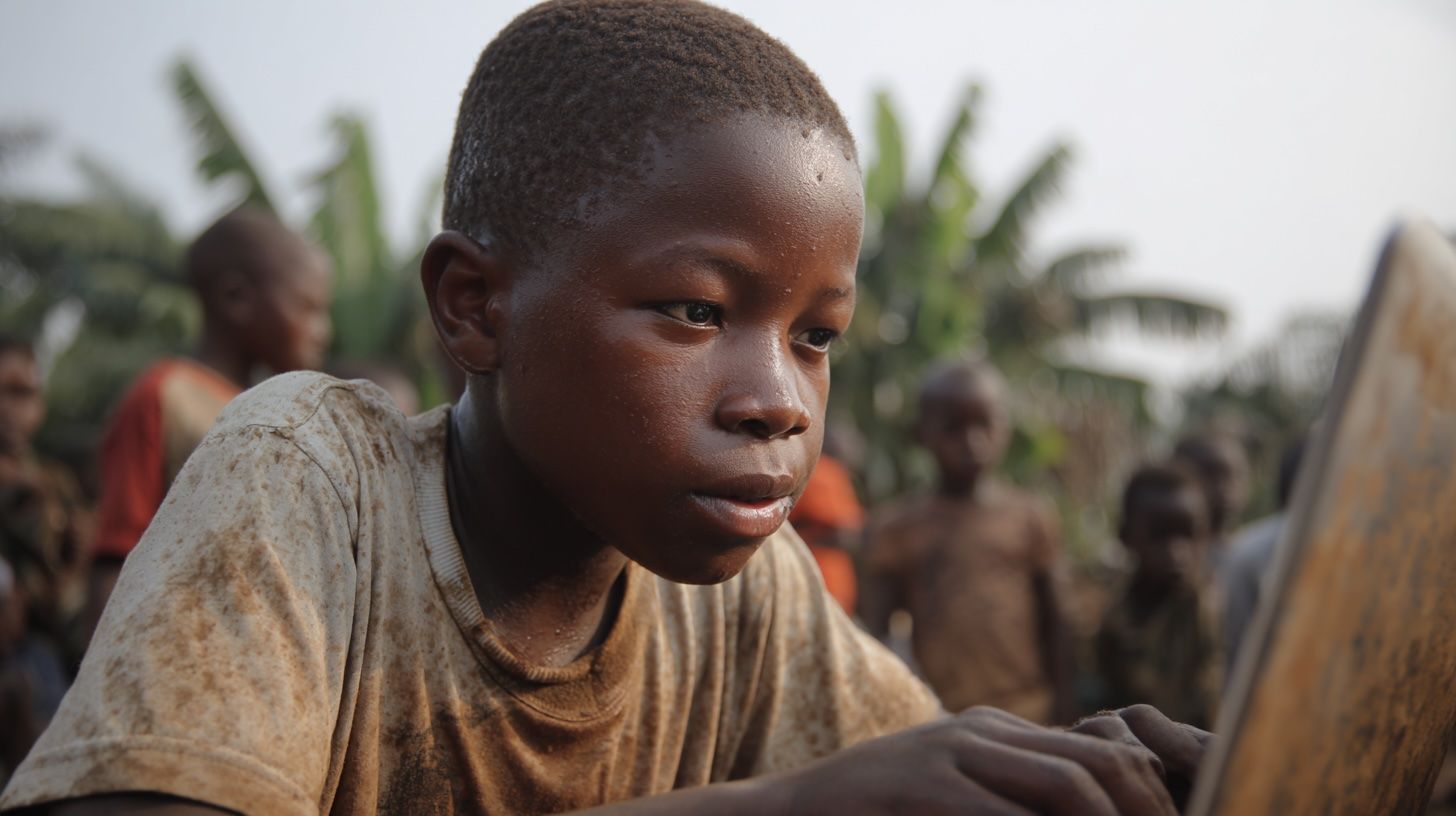
Cameroon, a Central African nation of about 29.5 million people, is racing to improve internet connectivity for its citizens. As of early 2025, roughly 41.9% of the population uses the internet, leaving the majority still offline datareportal.com bmz-digital.global. Internet access has grown rapidly over the past decade, yet it remains unevenly distributed and faces many challenges. Urban centers enjoy far more connectivity than rural villages, creating a significant digital divide. This report provides a comprehensive overview of internet access in Cameroon – from current penetration levels and infrastructure, to service providers and costs, to the challenges and initiatives shaping the country’s digital future. Key comparisons with other African nations are included to contextualize Cameroon’s progress. The goal is to shed light on Cameroon’s connectivity landscape and the “race” to get the nation online, examining both achievements to date and the road ahead. National Internet Usage: Cameroon’s internet penetration stood around 42–44% of the population in 2024-2025, meaning less than half of Cameroonians are online datareportal.com bmz-digital.global. There were about 12.7 million internet users in January 2024 and 12.4 million at the start of 2025 datareportal.com datareportal.com. This slight dip reflects rapid population growth outpacing user growth, as well as refined
The Shocking Truth About Internet Access in Burkina Faso – From White Zones to Starlink Dreams

The Shocking Truth About Internet Access in Burkina Faso – From White Zones to Starlink Dreams

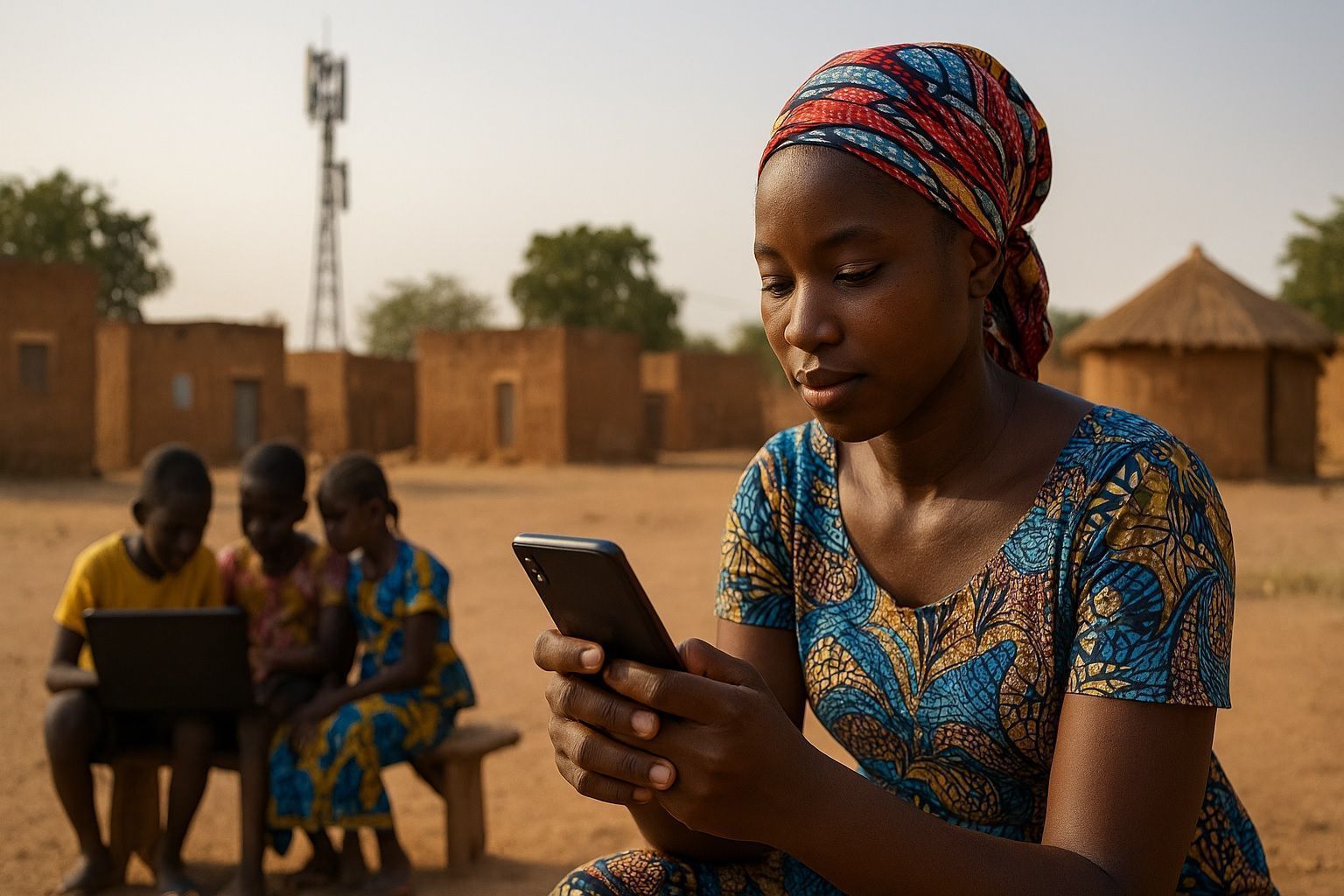
Burkina Faso’s digital landscape is marked by low internet penetration and heavy reliance on mobile networks. As of 2023, only about 17–20% of the population are internet users, well below the African average pulse.internetsociety.org and the global average datareportal.com. In raw numbers, that equates to roughly 4.7 million active internet users in a country of ~23 million people digitalmagazine.bf. This means barely one in five Burkinabè have used the internet in the last 3 months, underscoring a significant digital divide. Mobile vs. Fixed Access: Internet access in Burkina Faso is overwhelmingly mobile-centric. By late 2023, there were about 17 million mobile internet subscriptions recorded – roughly a 77% population coverage in terms of access digitalmagazine.bf. However, “subscription” doesn’t always mean active usage. In stark contrast, fixed broadband is extremely limited: only about 84,807 fixed internet subscriptions were active in Q3 2023 digitalmagazine.bf. Fixed connections – primarily new fiber-optic lines in major cities – have grown rapidly digitalmagazine.bf, but still account for a tiny fraction of overall internet access. Essentially, for the vast majority of Burkinabè, the internet means a mobile phone rather than a home broadband line.

Botswana’s Digital Leap: How Satellites and Smartphones Are Redefining Internet Access in the Kalahari

Botswana’s Digital Leap: How Satellites and Smartphones Are Redefining Internet Access in the Kalahari

Botswana is undergoing a digital transformation, dramatically expanding internet connectivity across its population. In the past decade, internet use in Botswana surged from roughly 30% of the population in 2013 to over three-quarters by 2024 en.wikipedia.org techcabal.com. This is notably higher than Africa’s overall internet usage and even above the global average en.wikipedia.org. Driving this “digital leap” are two pivotal technologies – widespread mobile smartphone networks and new satellite broadband services – which together are bridging the connectivity gap even in remote areas of the Kalahari Desert. However, despite these advances, Botswana faces challenges in ensuring reliable, affordable internet for all. This report examines the state of internet access in Botswana: penetration rates and urban–rural divides, key service providers and technologies, the growing role of satellite internet, infrastructure hurdles and recent initiatives, affordability and access issues, and the policy landscape. Regional comparisons are also provided to put Botswana’s progress in context. Internet use in Botswana has grown rapidly and now reaches a large majority of citizens. As of early 2024, an estimated 2.09 million Batswana were internet users, about 77.3% of the population datareportal.com. This marks a huge jump from just a decade ago – for example, in 2013 only
Belgium’s Broadband Boom: The Surprising Truth About Internet Access in 2025

Belgium’s Broadband Boom: The Surprising Truth About Internet Access in 2025

Belgium’s internet landscape in 2025 is a story of contrasts and rapid change. The country enjoys near-universal broadband coverage and some of Europe’s fastest internet speeds, yet it lags behind on full fiber-optic adoption point-topic.com en.wikipedia.org. Urban areas boast gigabit connectivity via upgraded cable networks, while some rural communities still await fiber rollouts. A new competitor’s rock-bottom pricing has shaken up a market long dominated by a few players, and government initiatives are in motion to bridge remaining digital divides. This report provides a comprehensive overview of internet access in Belgium – from fiber, DSL, cable and mobile broadband to satellite internet – and examines coverage gaps, performance, pricing, market players, and trends through 2024–2025, with an eye on what’s next for Belgium’s connected future. Fixed broadband coverage by technology. DSL and cable networks reach nearly every Belgian household, while full fiber coverage remains relatively low point-topic.com point-topic.com.Belgium has a diverse mix of internet infrastructure, including modern fiber-optic networks alongside legacy copper lines and extensive cable systems. Wireless broadband via 4G/5G mobile networks is ubiquitous, and even satellite internet has emerged as an option. Below is a breakdown of each major access technology:
Connecting the Unconnected: The State of Internet Access in the Central African Republic

Connecting the Unconnected: The State of Internet Access in the Central African Republic

The Central African Republic remains one of the least connected nations on earth. As of early 2024, only about 616,600 Central Africans were internet users, roughly 10.6% of the population datareportal.com. In other words, nearly 90% of the country’s ~5.8 million people are offline datareportal.com. Most users access the internet via mobile networks, as fixed broadband infrastructure is extremely limited. There were about 1.86 million cellular mobile connections active in CAR in 2024, equivalent to 32% of the population datareportal.com. By contrast, less than half of Central Africans even have a mobile phone, and only about 14% have access to electricity reuters.com – stark indicators of the developmental challenges affecting internet uptake. The table below summarizes key indicators: Most Central African internet users rely on mobile 2G/3G networks, as fixed-line and broadband services are minimal. Over 89% of the population remained offline in early 2024 datareportal.com.
29 May 2025

Stock Market Today

  • Advanced Enzyme Technologies (NSE:ADVENZYMES) EPS up 17%, strong insider holding
    June 29, 2026, 8:18 PM EDT. Advanced Enzyme Technologies reported 17% yearly growth in earnings per share over three years, with revenue also up 17% to ₹7.5 billion. The company kept EBIT margins steady. Insiders own 40% of the stock, or roughly ₹14 billion, putting management interests in line with shareholders. The growth and insider stake may draw investors who want profitability and steady expansion in enzymatics.
Go toTop