New York, Jan 13, 2026, 16:50 EST
- Financial stocks dragged Wall Street lower as investors weighed a proposed cap on credit-card interest rates.
- A broadly expected inflation report kept attention on how quickly the Federal Reserve might cut rates.
- Bank earnings and corporate guidance are setting the tone for the quarter.
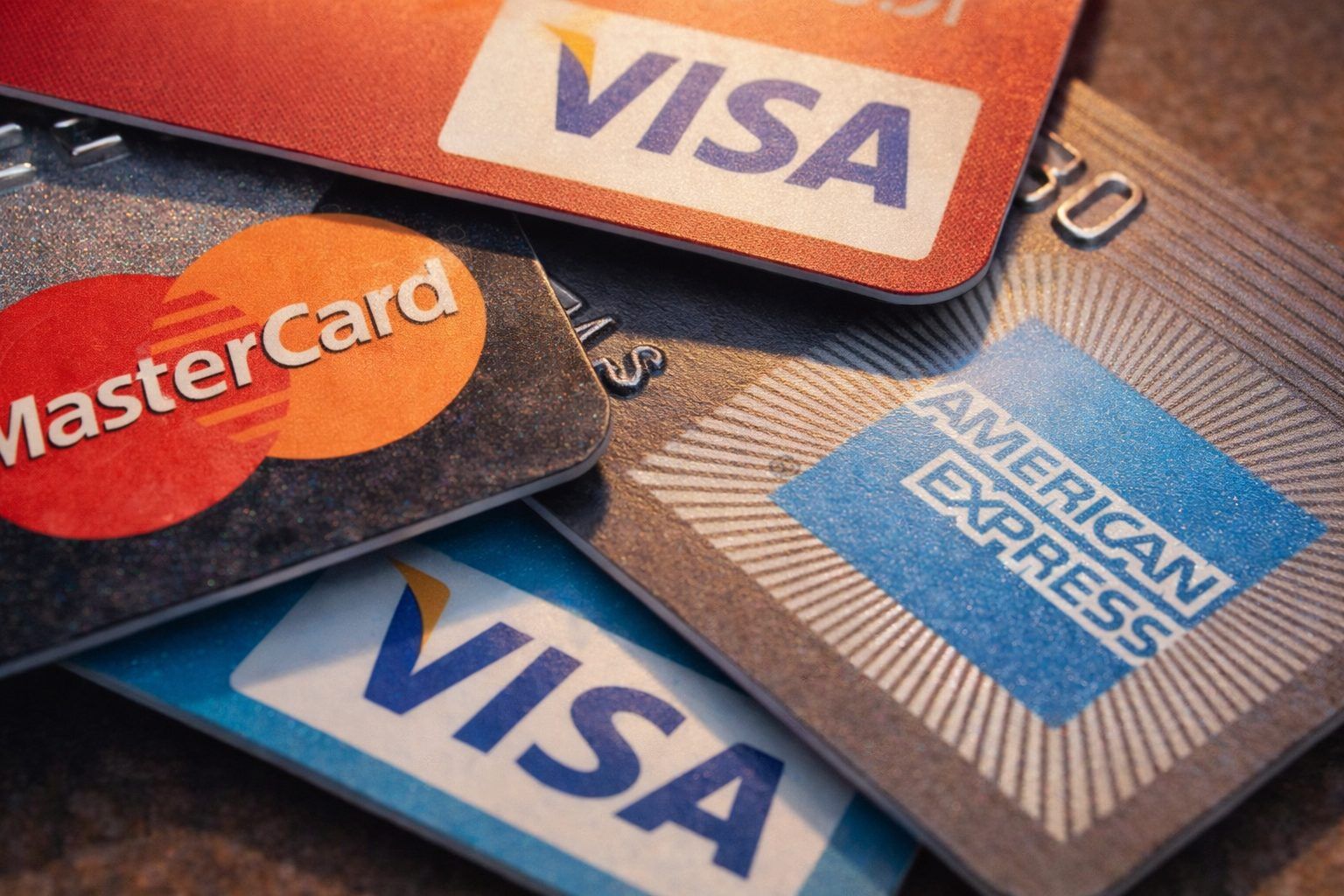
U.S. stocks ended lower on Tuesday, led by a drop in financial shares after JPMorgan executives warned that President Donald Trump’s proposed cap on credit-card interest rates could squeeze lending. The Dow Jones Industrial Average fell 394.97 points, or 0.81%, to 49,195.23, while the S&P 500 lost 0.20% to 6,963.30 and the Nasdaq Composite slipped 0.10% to 23,711.20, preliminary data showed. Visa and Mastercard slid, and “Financials are getting hit by Trump’s credit card proposal,” said Tim Ghriskey, senior portfolio strategist at Ingalls & Snyder in New York. Reuters
Trump’s one-year 10% cap proposal, set to start Jan. 20, has pushed politics into a week packed with U.S. inflation data and the first wave of earnings. Citigroup tumbled on the plan on Monday, and American Express and Capital One also fell, while JPMorgan analysts flagged Citi and U.S. Bancorp as having the biggest hit.
Earnings expectations have not collapsed, but the bar is high. Analysts see S&P 500 earnings rising 8.8% from a year earlier for the fourth quarter, with technology expected to lead, according to LSEG data cited by Reuters. “Solid U.S. economic growth and Federal Reserve rate cuts have boosted corporate earnings,” strategists at BlackRock Investment Institute said. Reuters
Inflation did not jolt the market’s base case. The Consumer Price Index, a broad gauge of inflation, rose 0.3% in December and was up 2.7% from a year earlier, with shelter and food among the main drivers, the Labor Department said. Core CPI — which strips out food and energy — rose 0.2% on the month and 2.6% year-on-year, and the Fed is expected to keep its policy rate in the 3.50%-3.75% range at its Jan. 27-28 meeting.
Trump seized on the report, saying it gave Fed chair Jerome Powell room for a “big rate cut,” and renewed his criticism of Powell before departing for Detroit. Reuters
On JPMorgan’s earnings call, Chief Financial Officer Jeremy Barnum told reporters a cap “would be very bad for consumers, very bad for the economy,” and said the bank would cut back the credit it offers. U.S. credit-card rates averaged 20.97% in November, according to the Federal Reserve, and lenders argue a hard cap would shrink access, with the Electronic Payments Coalition warning that 82% to 88% of open accounts would be closed or severely restricted. Brian Shearer at Vanderbilt Policy Accelerator disputed the industry’s analysis, saying there was “a huge amount of profit” that could absorb lower rates. Reuters
JPMorgan beat Wall Street estimates for quarterly profit, posting adjusted earnings of $5.23 a share versus a $5 estimate, helped by a 17% rise in markets revenue, Reuters reported. Its shares fell 2.8% early Tuesday after investment banking revenue missed expectations, though Dimon said “The U.S. economy has remained resilient.” Reuters
Delta added another wrinkle for investors trying to read the consumer. The airline forecast about 20% earnings growth in 2026 and ordered 30 Boeing 787-10 jets, with options for 30 more, betting on higher-income and corporate travelers. CEO Ed Bastian said “The lower-end consumer is struggling,” as main-cabin ticket revenue fell 7% in the December quarter while premium revenue rose 9%; Delta shares were down nearly 3% at $68.94 in afternoon trading. Reuters
A Reuters explainer framed the credit-card cap as a policy that could lower costs for some borrowers but also limit credit availability and pressure bank profits. Analysts told Reuters the cap would likely need legislation and had slim odds of clearing, leaving lenders and card networks guessing how to price the risk. Credit card rates average 19.65%, Bankrate data showed, and U.S. balances stood at $1.23 trillion at end-September — a reminder of how fast revolving debt can build when borrowers make only minimum payments.
The market’s drift lower comes with stocks near record levels and investors looking for proof that high prices are backed by profits. Analysts expect S&P 500 firms to grow earnings 8.3% from a year earlier for the final quarter of 2025, FactSet data cited by the Associated Press showed.
Still, the rate-cap talk may fade as fast as it arrived, or it may harden into a bill that forces banks to cut credit lines, raise annual fees or trim rewards. A fresh jump in inflation would also test the market’s easy view on rate cuts and could hit the most crowded trades.
For now, traders are left with two moving targets: what Washington does next on consumer credit, and what companies say about demand once the earnings calls start piling up.