
LONDON, April 19, 2026, 17:37 BST
- Shares of Rolls-Royce jumped 4.8% Friday, with UK defence names moving higher and giving the FTSE 100 a boost.
- Rolls-Royce’s shares go ex-dividend April 23, with the annual meeting lined up for April 30. The company mapped out a £7-9 billion buyback program running through 2028 and confirmed a final 5 pence dividend set for 2025.
- Britain has inked a contract with Rolls-Royce SMR to kick off design work for the country’s first small modular reactors. Over in Germany, Rolls-Royce’s test benches are now operating on HVO fuel, the company confirmed.
Shares in Rolls-Royce Holdings jumped 4.8% on Friday, part of a broader defense-sector surge that lifted London’s FTSE 100 by 0.7% at the close. BAE Systems gained 1.8% as investors rotated back into defense, with falling oil prices and renewed optimism for a potential Iran war settlement bolstering risk appetite.
This move lands just as Rolls-Royce enters a narrow window for shareholders. The group is set to go ex-dividend on April 23, with its AGM scheduled for April 30. Back in February, Rolls-Royce told investors it would roll out a £7 billion-£9 billion buyback programme spanning 2026 to 2028, plus a final dividend of 5 pence—bringing the total payout for 2025 to 9.5 pence.
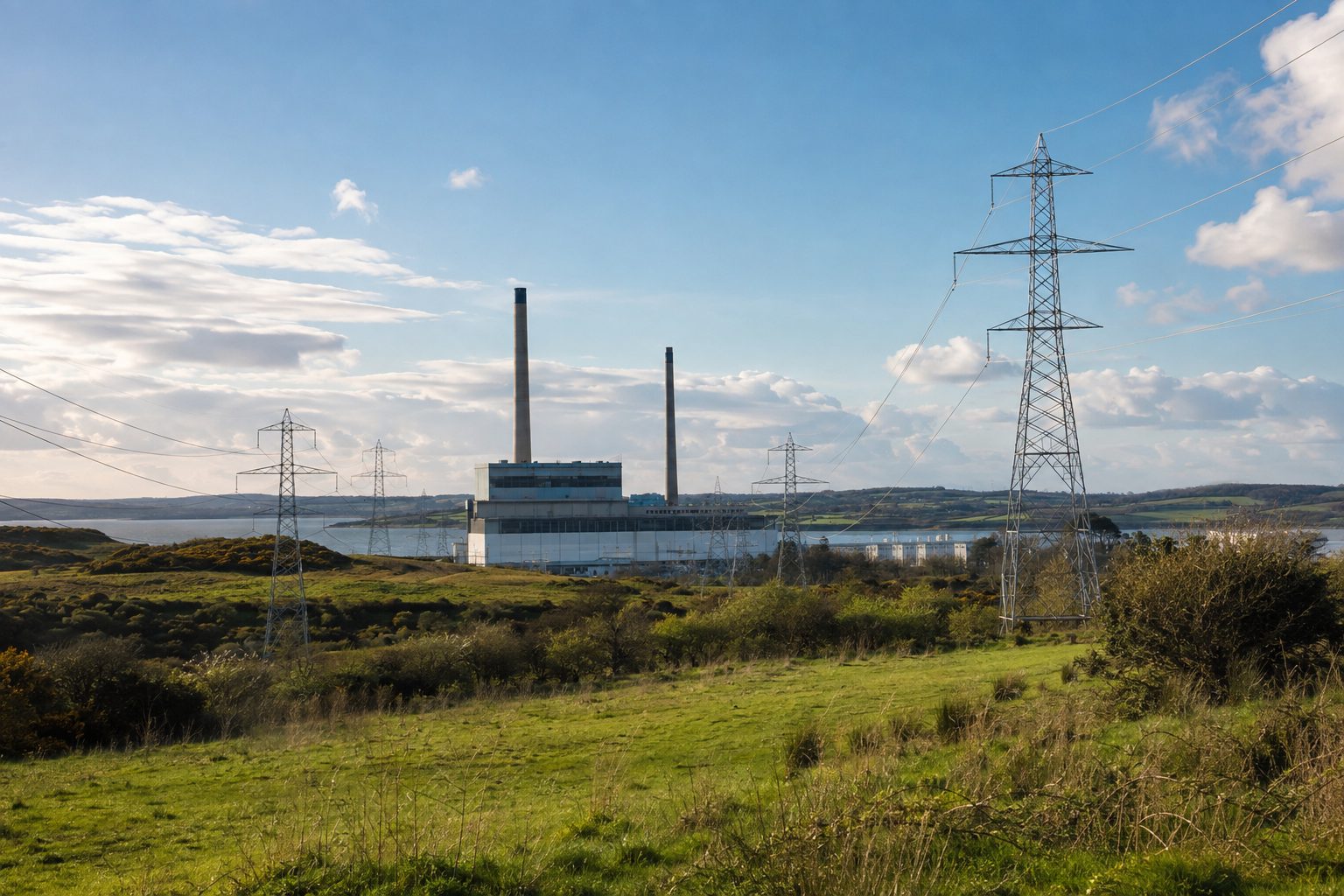
There’s fresh industrial momentum too. Last week, Britain announced that Great British Energy-Nuclear inked a deal with Rolls-Royce SMR to kick off work on location-specific design, regulatory steps, and planning for what would be the UK’s first small modular reactors—factory-assembled nuclear units aimed at slashing both build times and costs. Rolls-Royce CEO Tufan Erginbilgic described the agreement as a “critical milestone” that provides “crucial contractual certainty” for the company at home. GOV.UK Rolls-Royce
Officials are pointing to roughly 3,000 jobs at peak construction for the first project, emphasizing that the contract is meant to push the programme closer to a final investment decision. Simon Roddy, who heads Great British Energy-Nuclear, described the deal as a “landmark moment”. Back in February, Erginbilgic flagged nuclear as a key growth driver still ahead for Rolls-Royce. GOV.UK Reuters
On April 16, Rolls-Royce rolled out a compact but noteworthy sustainability update. The company said its main mtu engine test benches in Germany have switched to hydrogenated vegetable oil (HVO) — a renewable diesel made from vegetable oils and various waste products — in place of fossil diesel. That move, according to Rolls-Royce, has already knocked out about 3,200 tonnes of carbon dioxide by the end of 2025. “Decarbonising our operations is a clear corporate priority,” said Nicholas Templin, who heads production, logistics and quality management at Rolls-Royce Power Systems. Rolls-Royce
The business no longer relies solely on its long-haul jet engine division. Back in February, Reuters highlighted that power systems were getting a boost from two fronts: a surge in data center construction and a rise in military spending. Rolls-Royce is shooting for a mid-term margin of 18% to 20%—a level that would put it on par with widebody engine competitor GE Aerospace. Analyst Richard Hunter at Interactive Investor described the results as “sparkling,” adding the group “clearly has unfulfilled ambitions to maintain the momentum.” Reuters
The next phase looks tougher. Rolls-Royce continues to wrestle with supply-chain headaches and faces tariff uncertainty in its aerospace division. Its SMR project? Still waiting on regulatory and planning green lights before moving forward on any investment. The generic design assessment’s last stage won’t wrap until December 2026.
The immediate schedule’s straightforward: shares trade ex-dividend April 23, the AGM lands April 30, and if shareholders give the nod, that final dividend hits on June 3. Those milestones put the spotlight on whether Rolls-Royce can push its recovery further—nuclear, defence, data-centre power and even narrow-body jet engines are all in the conversation.