
New York, April 17, 2026, 11:40 (EDT)
Stocks climbed on Friday, with the S&P 500 stretching further into record highs and oil prices tumbling after Iran announced the Strait of Hormuz would remain open to commercial vessels during the Lebanon ceasefire. By late morning in New York, the S&P 500 had gained about 1.2% to 7,115, the Dow advanced almost 2%, and Brent crude skidded over 11% below $88 a barrel—still not back to pre-war pricing.
Why does it matter? Investors have shifted from simply reacting to ceasefire headlines; now, they’re reassessing inflation, rates, and profit outlooks. Oil’s drop on Friday sent rate markets swinging, with bets resurfacing that the Federal Reserve might start cutting as early as December—reversing some of the recent hawkish momentum sparked by the energy rally.
That’s part of why stocks were able to notch new highs throughout the week, even ahead of the Hormuz reopening. Both the S&P 500 and Nasdaq ended Thursday at fresh records. The Nasdaq, notably, made it twelve sessions in a row. Traders, according to Chris Zaccarelli at Northlight Asset Management, bounced between “more positive and slightly neutral headlines” regarding Iran. Robert Phipps at Per Stirling added that the conflict remains “the market’s single most important driver.” Reuters
Right now, the market’s taking a straightforward view: the shock hits 2026 harder than 2027. The IMF held its 2027 global growth forecast steady at 3.2% this week. Wall Street and the VIX — which tracks expected stock swings — have mostly unwound their war-driven spikes, signaling that investors are betting the fallout won’t spread unless energy supplies get disrupted again.
That conviction is showing up in the numbers. In the week ended April 15, global equity funds attracted $31.26 billion—$21.25 billion of that flowing into U.S. funds alone. Gains are rippling beyond the tech giants now. The small-cap Russell 2000 notched its first intraday high since the conflict’s onset, rebounding after a correction-level 10% slide from its prior top.
Friday put the split on display. Exxon Mobil and Chevron dropped after oil pulled back, but American and United Airlines soared over 7%. “Actions do matter,” FXStreet’s Joseph Trevisani pointed out, adding that Hormuz reopening should “drive the markets higher,” though caution around Tehran’s pledges lingers for some investors. Reuters
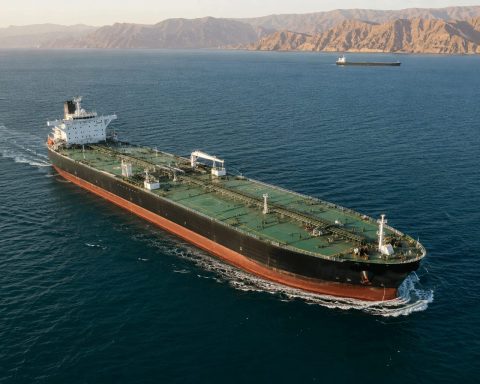
Yet that upbeat mood hasn’t made its way to the shipping routes. Hapag-Lloyd is still steering clear of the strait, saying it needs more time to evaluate the latest developments. The Norwegian Shipowners’ Association noted uncertainties remain around sea mines and Iran’s terms. According to a senior Iranian official cited by Reuters, vessels would have to coordinate with the Revolutionary Guards and stick to corridors approved by Tehran.
Central bankers aren’t taking it lightly. Christine Lagarde, who heads the European Central Bank, flagged that the conflict is pushing inflation higher and weighing on growth. New York Fed President John Williams pointed out that pricier energy is feeding into broader costs, not just fuel—proof that a single dip in oil prices can’t undo shocks already working through the economy.
Contingency planning continues, as officials aren’t taking Friday’s relief for granted. The EU has indicated it might coordinate a release of jet-fuel reserves should supply issues drag on, while G7 finance ministers this week pledged fresh action if economic or energy fallout from the conflict worsens.
Traders are positioning for the endgame, but shipping hasn’t caught up. According to SEB’s Ole Hvalbye, Europe faces a tight stretch ahead, since Gulf cargoes take about 21 days to land in Rotterdam. UBS’s Giovanni Staunovo noted tanker counts haven’t picked up yet. And PVM’s Tamas Varga flagged the risk that flows could halt again should nuclear talks fall apart.
Related articles: Stock Market