
New York, May 21, 2026, 12:09 EDT
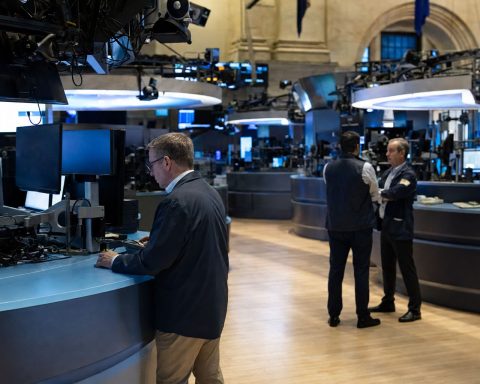
- Stocks slipped in the U.S. during regular trading hours. The NYSE session starts at 9:30 a.m. and closes at 4:00 p.m. ET. The exchange’s next planned full-day break is Memorial Day, May 25, 2026.
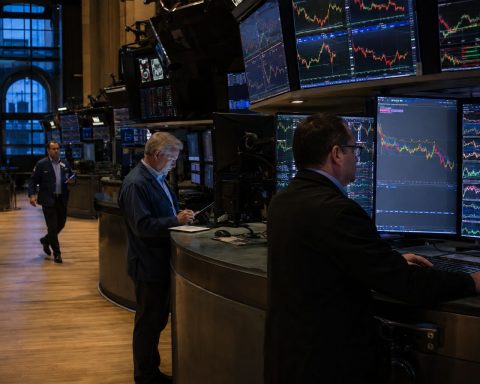
- Stocks slipped, with the S&P 500, Nasdaq and Dow closing lower as oil prices and Treasury yields moved higher.
- Nvidia posted strong numbers, but the broader market didn’t react. Walmart’s cautious outlook weighed on retail stocks.
Stocks dropped Thursday. Oil prices shot higher, stirring up inflation fears again, and that weighed on a market that’s leaned on AI and steady consumer spending for support.
S&P 500 dropped 0.42% to 7,401.48, with the Nasdaq Composite down 0.57% at 26,119.48 and the Dow Jones Industrial Average off 0.26% to 49,879.20, LSEG data via Reuters showed. Brent crude was up 2.57% at $107.72 a barrel. The 10-year Treasury yield jumped to 4.637%.
That’s important now as rising oil prices and bond yields put extra pressure on stocks. Increased costs hit companies and households, while bigger yields mean high-priced shares face a tougher pitch when investors have the option to get more from bonds.
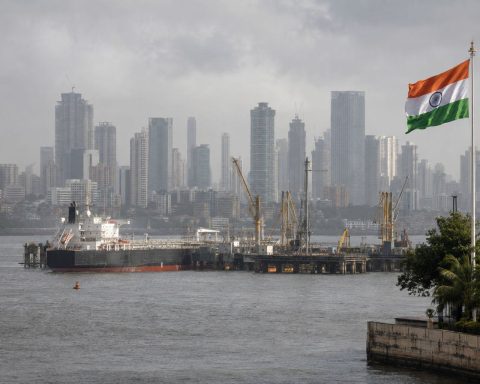
Reuters reported Iran’s Supreme Leader Ayatollah Mojtaba Khamenei told officials not to export the country’s near-weapons-grade uranium. That hit expectations for any breakthrough in U.S.-Iran talks and put shipping risks at the Strait of Hormuz, a key oil chokepoint, back in focus.
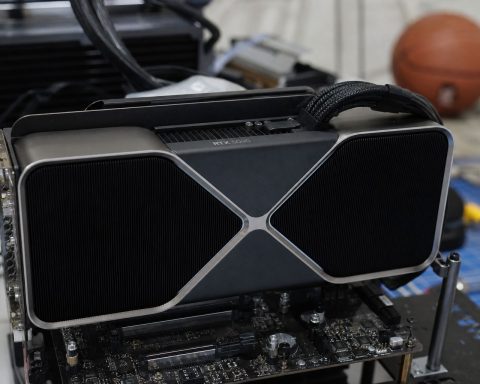
Nvidia didn’t lift the mood. The chipmaker put up a record first-quarter revenue of $81.6 billion, gaining 85% from the same period last year, and guided for around $91 billion in revenue for the second quarter. The board also cleared another $80 billion in buybacks. CEO Jensen Huang said the AI buildout is “accelerating at extraordinary speed.” NVIDIA Newsroom
Nvidia shares slipped in late morning, trading down about 1.6% at $219.96. Microsoft lost ground too. Apple edged higher, so megacap tech stocks were mixed, not giving a broad lift.
Nvidia’s latest results got a cool reaction as investors looked for something beyond solid numbers. Some, according to Reuters, cited growing competition from large tech clients and chipmakers like Intel and Advanced Micro Devices.
Retail shares slipped too. Walmart dropped 7.8% after sticking to its annual sales and profit goals, despite first-quarter net sales up 7.1% to $175.7 billion and a 26% jump for U.S. e-commerce. The retailer stayed cautious, unlike Target—which raised its annual sales outlook this week but also flagged a difficult macro environment.
Walmart CFO John David Rainey said the retailer may face “somewhat higher retail price inflation” if present costs stick around. Sam Stovall, CFRA Research’s chief investment strategist, told Reuters that Walmart’s guidance had investors worried they were “seeing the effects of high oil prices and inflation” on store forecasts. Reuters
Stocks didn’t get relief from Thursday’s data. Initial jobless claims dropped 3,000 to a seasonally adjusted 209,000 for the week ended May 16, leaving the Fed sticking with inflation concerns instead of shifting to jobs. “Enough stability” in the labor market means the Fed can keep policy unchanged, said Matthew Martin, senior U.S. economist at Oxford Economics. Reuters
Manufacturing stayed steady. S&P Global’s flash manufacturing PMI climbed to 55.3 in May, its highest mark since May 2022. The index stays above 50, which points to expansion. Chris Williamson, chief business economist at S&P Global Market Intelligence, said the economy “will struggle” to grow at more than a 1% annualized rate in the second quarter. Reuters
Fed officials saw risks to inflation skewed to the upside, minutes from Wednesday’s release showed. Most said more policy firming might be needed if inflation stays above 2%. Nearly all backed holding the policy rate at 3.50% to 3.75% at the April meeting.
IBM climbed over 8%. D-Wave Quantum and Rigetti Computing each jumped around 25% following a Reuters report that the U.S. government is investing in certain quantum-computing firms for equity. Intuit was down close to 20%, hit by a lower full-year revenue outlook for TurboTax and plans to cut jobs.
Bearish bets face a risk if oil pulls back fast on diplomatic moves, easing pressure on yields and opening the door for AI and consumer stocks. The main worry at the moment is if crude holds up, inflation views could get stuck higher, the Fed might keep policy tight, and pricey stocks would have less safety margin.
Related articles: NASDAQ:NVDA