
New York, June 10, 2026, 1:02 PM EDT
- MARA was down around 3.9% to $12.79 in early afternoon trading. The drop came as Bitcoin pushed back above $62,000.
- The move didn’t seem like new bad news for the company. It was more a reset for crypto miners as tech stocks, energy costs, and Bitcoin price swings all hit at once.
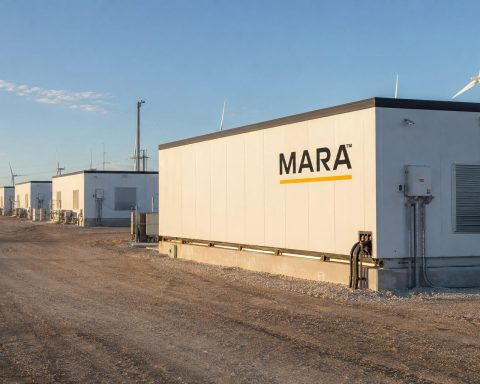
- Investors are tracking MARA as it moves away from only Bitcoin mining and invests in its own power, AI projects, and high-performance computing infrastructure.
MARA Holdings shares lagged Wednesday, dropping about 3.9% to trade near $12.79. The stock opened at $13.22 and dipped as low as $12.76. That fall outpaced Bitcoin, which was last seen near $62,160 and traded between $60,834 and $62,734. Traders sold off crypto miners more broadly as risk appetite faded. MARA had ended the previous session at $13.31.
MARA shares aren’t moving lockstep with Bitcoin. Even as Bitcoin bounced after softer core inflation numbers, MARA, Riot Platforms and CleanSpark dropped in early afternoon trade. Riot slid around 5.7%, CleanSpark lost about 5.3%, and IREN fell 3.8%. The whole sector was under pressure, not just MARA.
MARA hasn’t put out any new company release this week. The most recent update on MARA’s investor-relations page is a May 15 consent-solicitation about its Long Ridge Energy deal. That leaves Wednesday’s trading looking driven by the market rather than any fresh news from MARA.
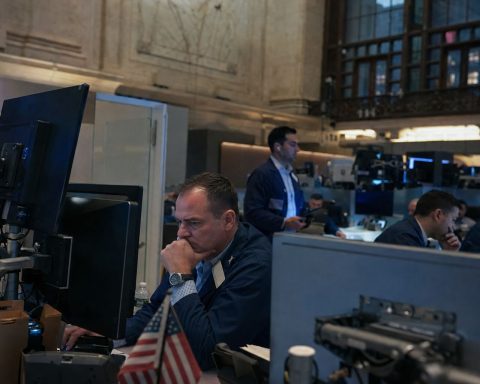
Tech stocks dragged major U.S. indexes lower Wednesday, Reuters reported, as high-beta names struggled. Fresh U.S.-Iran concerns weighed heavier than an as-expected inflation print. At 11:36 a.m. ET, the Dow dropped 1.09%, the S&P 500 was off 0.84%, and the Nasdaq fell 1.18%.
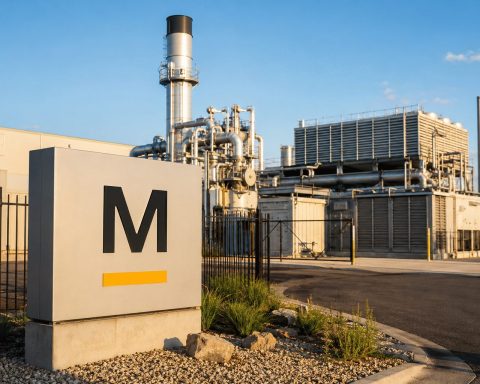
MARA is now exposed to volatility in Bitcoin, power infrastructure and AI data-center demand. The company calls Bitcoin mining its core business, but filings show it is setting up the same energy assets for AI, critical IT and mining. Its sites are built to shift workloads based on market and grid needs.
MARA’s Q1 revenue fell to $174.6 million, an 18% drop from the $213.9 million posted a year ago. Nearly all of that—$172.2 million—came from Bitcoin mining. The company blamed the slide on an 18% fall in the average price for mined Bitcoin. Investors watch Bitcoin prices closely because of moves like these.
MARA swung to a net loss of $1.26 billion for the quarter. The loss was driven by a $714.7 million hit from changes in fair value of digital assets and another $303.9 million loss related to digital-asset receivables. Under fair value rules, the company has to mark the accounting value of digital assets to the market, so lower Bitcoin prices feed straight into reported earnings before any actual sale.
MARA has already moved to use Bitcoin as a financing tool rather than just holding it. In the first quarter, the company sold around 20,880 Bitcoin, bringing in $1.5 billion at an average of $70,137 each. The cash went mainly to pay down debt, with a portion used for partial repayment on both its 2030 and 2031 convertible notes. These notes can eventually turn into MARA stock, so retiring them can help cut down on the risk of dilution.
Investors are watching a shift on Marathon Digital’s balance sheet, as the company looks to buy Long Ridge Energy & Power for $1.5 billion. The deal would hand MARA a 505-megawatt gas plant in Ohio and control of over 1,600 acres targeted for a digital infrastructure campus. Marathon said that site could hold more than 1 gigawatt of total potential power and generate about $144 million in annualized adjusted EBITDA—a metric that strips out interest, taxes, depreciation, and amortization.
CEO Fred Thiel summed it up at the deal announcement: “Power is the scarce input in AI.” Now it’s on shareholders to see if MARA can actually secure enough profitable, contracted data-center demand out of that limited power before Bitcoin swings or rising financing costs hit the gains. MARA Holdings
The risk is a lot needs to land right at once. Bitcoin might drop again, which could mean more mark-to-market pain. Energy costs might stay high, squeezing mining profits. The Long Ridge deal still faces a regulatory green light, including from the Federal Energy Regulatory Commission. MARA expects to close in the back half of 2026. After that, signing up AI or high-performance-computing tenants could take time, buildouts might run higher than forecast, and miners might keep lagging as long as rates and tech stocks remain in focus.
Bitcoin’s next short-term catalyst is the mining difficulty adjustment set for June 14. Mining difficulty controls how tough it is to find new blocks. When it drops, miners can produce Bitcoin with less computing pressure. CoinDesk said Wednesday the adjustment could cut difficulty around 11%, the steepest decline since February. That follows a fall in network hashrate. CoinDesk also cited higher energy costs and a move by some miners to AI infrastructure as part of the picture.
Related articles: NASDAQ:MARA