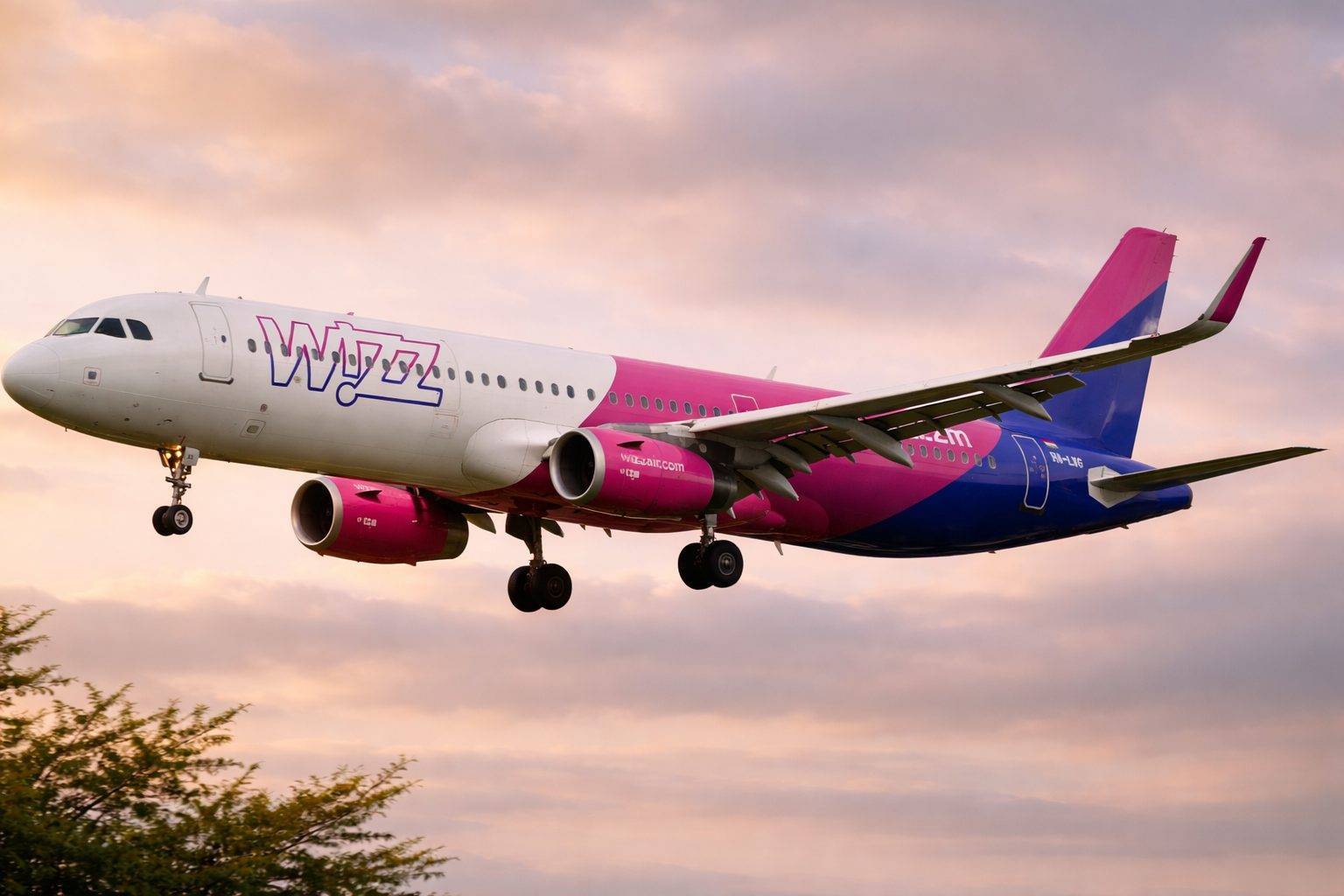
London, Jan 29, 2026, 12:16 GMT — Regular session
- Wizz Air shares climb amid investor optimism over recovery signals following engine-related groundings
- Operating loss for the third quarter matched estimates; expenses continue to weigh heavily
- Focus shifts to summer 2026 capacity and how quickly aircraft will be brought back
Shares of Wizz Air Holdings Plc surged in London on Thursday following its third-quarter operating loss and a positive update on fewer planes grounded by engine inspections. The stock climbed roughly 10% to about 1,419 pence, peaking at 1,452 pence earlier in the session. Investing.com
The move matters because Wizz has been one of Europe’s most battered airline stories over the past year: too many planes grounded, with little clarity on when they’ll return. Investors are now trying to gauge if this summer’s schedule can actually stick — and if costs can be kept from spiraling further.
Wizz faces this challenge as airlines across Europe wrestle with erratic winter pricing and rising maintenance costs. For Wizz specifically, the issue is focused: Pratt & Whitney engine inspections have grounded planes and forced capacity reshuffles.
Wizz posted a third-quarter operating loss of 123.9 million euros, deeper than last year but slightly better than the 137.95 million-euro shortfall analysts had forecast, according to a Reuters report. CEO Jozsef Varadi said the airline was “steadily recovering” from engine-related groundings and aims to have an average of 20-25 planes grounded in the next fiscal year. He cautioned that unit costs—costs per seat-kilometre—would climb due to higher maintenance and depreciation. The number of grounded aircraft due to engine repairs dropped to 33 by Dec. 31, down from 40 a year earlier. Varadi expects that figure to fall further by summer 2026, with all planes back in service by the end of calendar 2027. Reuters
Separately, Varadi clarified that Wizz has no plans for a regular transatlantic schedule despite applying to fly between the UK and the US. He described these routes as “very opportunistic,” linked to events like the World Cup or Olympics and operated on an ad hoc basis. Reuters
Wizz reported a 10.2% jump in revenue to 1.30 billion euros in its quarterly results, with passenger numbers up 12.5% to 17.5 million. However, the load factor slipped slightly to 89.8% from 90.3% the previous year. Investegate
Traders are now focused on two key factors: if the aircraft return schedule continues to improve as the peak season approaches, and whether cost inflation from maintenance and fleet upgrades can be managed without pushing fares higher.
The downside is straightforward. Should engine redeliveries falter once more, Wizz risks losing capacity precisely when demand peaks, all while footing the bill for repairs, wet leases, and operational disruptions — a combination that has previously weighed on earnings.
The summer 2026 flying season is next, set to bring more aircraft back into service. This will put the carrier’s cost-and-capacity narrative to a practical test.