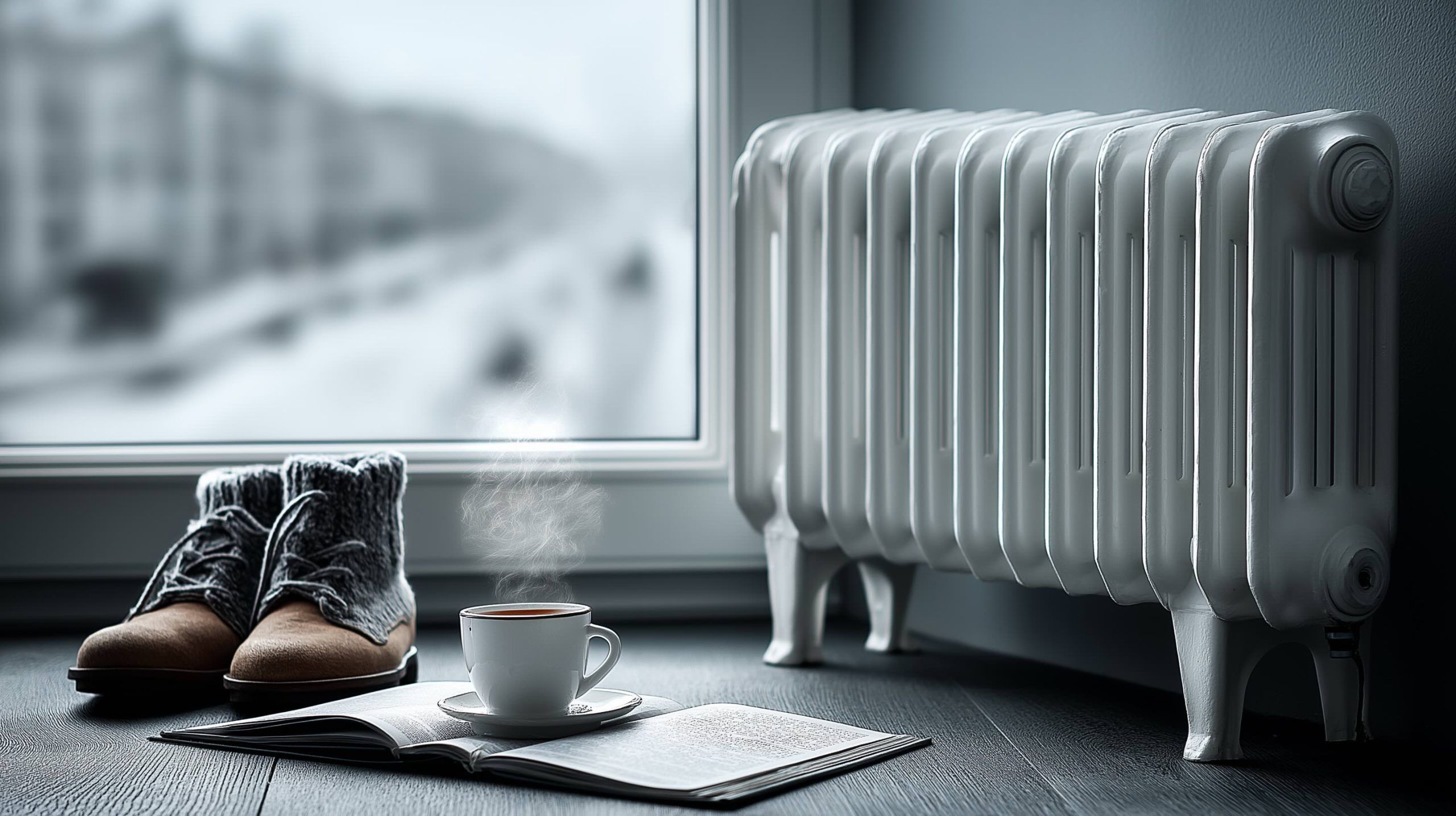
- Prices rising sharply: A new study warns U.S. households will pay about 7.6% more to heat their homes this winter (about $976 on average, up ~$70 from last year) kioncentralcoast.com. Electric heating bills could jump ~10.2%, and natural-gas heating roughly 8.4% (with some Midwestern areas seeing even higher spikes) kioncentralcoast.com. By contrast, only ~10% of homes heating with oil or propane may pay 4–5% lessthan last winter .
- Regional hot spots: Rates are already sky-high in many cold states. For example, in Massachusetts utilities have requested big rate hikes (Eversource ~13%, National Grid ~3.8% wbsm.com). That state’s average electric rate is nearly double the national average, driving sticker shock for consumers wbsm.com wbsm.com. Even Gov. Maura Healey warned these proposals are “outrageous because people can’t afford those rate hikes” wcvb.com.
- Why the spike: Higher bills reflect multiple factors. Fuel costs and inflation are up, natural-gas supplies are tight (New England’s limited pipelines mean winter shortages), and electricity demand has jumped (e.g. data centers and an aging grid) kioncentralcoast.com cbsnews.com. As consumer advocate Abe Scarr (PIRG) explains, “As demand goes up and supply is not matching that, prices are going to go up” cbsnews.com. And many utilities have already filed or approved rate increases – over 100 providers affecting tens of millions of customers kioncentralcoast.com.
- Household impact: Many families are already struggling. Since late 2023, unpaid energy bills (arrearages) jumped about 31%, totaling roughly $23 billion by mid-2025 cbsnews.com. Meanwhile, federal and state energy-assistance funding has stayed flat, meaning relief programs can’t cover the rising demand kioncentralcoast.com kioncentralcoast.com. NEADA’s Mark Wolfe warns this strain is the “new normal” – “Customers should be prepared for this being a new normal,” he says kioncentralcoast.com.
- Experts’ advice: To blunt the pain, experts urge immediate action on efficiency and aid. Basics matter: keep your thermostat at the lowest comfortable setting (even a few degrees cooler saves money) and seal up drafts – add weatherstripping or caulk around windows and doors wcpo.com. Check your furnace and change filters; as HVAC pro Rob Evans notes, regular maintenance “can make a significant difference in efficiency and costs” wcpo.com. Insulate hot-water tanks or set them to ~120°F, and unplug unused electronics to avoid phantom loads wcpo.com cbsnews.com.
Why Winter Bills Are Climbing
Energy bills have already been rising faster than inflation, and last winter’s hikes are carrying into this one. A recent National Energy Assistance Directors Association (NEADA) report finds the average household heating bill will jump ~7.6% over last winter kioncentralcoast.com. That reflects both higher fuel prices and increased demand – this winter is forecast to be slightly colder than last year. Electricity costs in particular have soared: U.S. grid prices jumped 6.2% year-over-year in August, and could climb double digits in coming years cbsnews.com .
As NEADA’s Executive Director Mark Wolfe explained, “we had a period of relatively stable electric bills and then last year electricity went up twice the rate of inflation” cbsnews.com. That means the baseline cost of power is already higher now. Coupled with the natural-gas price surge (up 13.8% from last year) and ongoing geopolitical disruptions, heating with gas also costs more. The Center for American Progress notes 100+ utilities nationwide have already raised or sought rate increases on electricity and gas, affecting ~81 million electric and ~28 million natural-gascustomers kioncentralcoast.com.
“By the time people finished paying their record-high air-conditioning bills this summer, they’re looking at high heating bills for the winter,” Wolfe told CBS MoneyWatch cbsnews.com. Consumer energy debt has ballooned: NEADA data show U.S. utility arrearages hit $23B by mid-2025, up 31% from the previous winter cbsnews.com. Meanwhile, Wolfe notes federal safety-net funding (LIHEAP) has remained roughly flat, forcing states to cut back on outreach and benefits kioncentralcoast.com kioncentralcoast.com.
Who Will Feel the Pinch
Heating type and location make a big difference. Electric-heated homes will see the largest jump: about +10.2% nationwide kioncentralcoast.com. Electric prices are rising at roughly twice the inflation rate, partly due to booming demand from data centers and the need to upgrade the grid kioncentralcoast.com. For example, Southern states (many of which rely heavily on heat pumps) could see winter electric bills spike by over 20% .
In contrast, natural-gas heated homes nationwide face roughly +8.4% higher bills kioncentralcoast.com. Some Midwestern states may see even larger increases (projected +16% or more) because of colder weather and existing higher costs. By comparison, households that heat with heating oil or propane (~10% of U.S. homes, mostly in the Northeast) may actually pay 4–5% less this winter, thanks to recent price drops in those fuels .
Geography also matters: states with limited local energy supply and high baseline rates will feel it most. Massachusettstypifies the problem – it has some of the nation’s priciest electricity, almost double the U.S. average wbsm.com. Over 60% of New England’s power comes from natural gas plants, but the region’s pipeline capacity is tight. WBSM news warns that because Massachusetts must import gas on constrained pipelines, “costs [are] drive[n] up…especially during winter’s peak demand” wbsm.com.
Indeed, Massachusetts utilities have already asked regulators for big increases: Eversource wants to boost delivery rates by about 13%, and National Grid about 3.8% wbsm.com. These would make typical winter gas bills substantially higher. Gov. Maura Healey has publicly blasted the proposals as “outrageous because people can’t afford those rate hikes” wcvb.com, and is pushing regulators to closely review them. She and other officials are also calling for more aggressive energy efficiency and supply solutions (like more solar power) to ease the burden wcvb.com wcvb.com.
Meanwhile, in states with growing populations or energy needs, everyday consumers see the effects. Duke Energy in Ohio and Kentucky – for example – openly acknowledges customers “are being impacted by a number of rising prices right now, whether it’s at the grocery store, [or] with energy costs” wcpo.com. Duke and other utilities say they’ll expand payment plans, bill extensions and emergency relief funds for low-income customers. But even companies warn that most families must start budgeting now for considerably higher bills than in recent years.
What You Can Do to Cut Costs
Experts stress that every bit of efficiency helps. Thermostat management is low-hanging fruit: each degree cooler can save several percent on heating costs. The Department of Energy notes that setting your thermostat 5–10° lower at night or when away significantly trims usage. Likewise, sealing air leaks is critical: use caulk or weatherstripping around doors and windows, add door sweeps and insulate key areas. Rob Evans, a home-energy technician, points out that even simple maintenance like checking or changing a dirty furnace filter “can make a significant difference” in efficiency wcpo.com. Running your water heater at a moderate 120°F (instead of 140°F) also cuts energy use, and you can save by draining sediment from the tank annually. The CBS MoneyWatch guide adds that unplugging idle electronics or using smart power strips can shave a bit on electric use cbsnews.com.
In many regions, utilities and governments offer help to reduce bills. Check your electricity or gas provider’s website for free home energy audits or insulation rebate programs – they’ll evaluate leaks and suggest improvements (often at little or no cost to you). Some companies will even replace older appliances or furnaces with high-efficiency models under special programs. Also ask about payment assistance plans: many utilities offer flexible billing, installment plans, or seasonal payment averaging to spread costs out. For qualifying households, federal and state assistance is available. The LIHEAP program provides cash help for eligible low-income families to cover heating costs, and many local agencies can connect you with one-time aid or fuel assistance grants.
Above all, experts say to act early. “We’re already busier than ever,” reports Charles Lanier of a Philadelphia energy-assistance nonprofit – people are many hundreds of dollars behind on bills kioncentralcoast.com. If you wait until deep winter, both prices and demand spike. Winterizing your home while it’s still warm (installing insulation, weather-strips, or efficient thermostat controls) can lock in savings. Buying space heaters, insulation tape or weatherization kits now (off-season) is cheaper than at the peak.
The bottom line: every watt saved is money in your pocket. Energy consultant Abe Scarr warns that higher bills aren’t a blip. With demand outstripping supply, families should brace for these higher costs to stick around kioncentralcoast.com. Preparing now – through efficiency, budgeting, and tapping available aid – will be crucial to weathering a winter of steep heating bills.
Sources: Industry reports and news accounts from the National Energy Assistance Directors Assoc., CBS News kioncentralcoast.com, WCVB Boston wcvb.com, and local media wbsm.com kioncentralcoast.com; statements from experts and officials. cbsnews.com kioncentralcoast.com (All facts cited.)