
- Asia Factory Slump: Major Asian PMIs fell in October. China’s private manufacturing PMI eased to 50.6 (from 51.2) as tariff fears sap new ordersreuters.com. Japan’s factory PMI plunged to 48.2 (19‑month low) with exports collapsingreuters.com. South Korea’s PMI dipped below 50 (to 49.4)livemint.com. By contrast, India’s PMI jumped to 59.2, a 5‑year high, on booming domestic demandreuters.com. Southeast Asian exporters (Vietnam, Thailand) saw rising orders thanks to lower US tariffs compared to Chinalivemint.com.
- Trade War Truce: President Trump’s Asia trip yielded partial tariff relief, but heavy duties remain. The US halved a 20% fentanyl‑goods tariff to 10%, cutting its average China tariff to ~47% from 57%reuters.com. Beijing agreed to pause new rare‑earth export curbs and suspend its retaliatory levies on US farm goods (soy, meat, cotton, etc.)reuters.com. China also pledged large soybean purchases from the US to placate farmersreuters.com. Still, businesses warn that “tariff unpredictability” continues to disrupt global supply chainsreuters.comreuters.com.
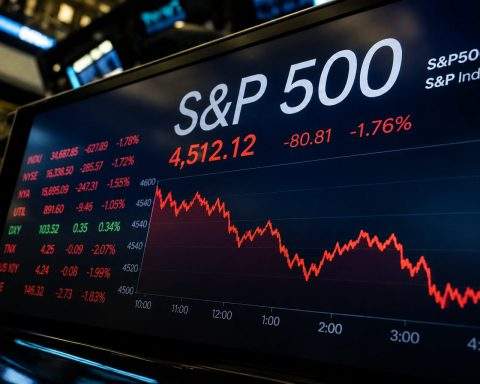
- Market Sell-Off: Global stocks dipped as tech/AI froth popped. Nasdaq fell ~2% on Nov 5, dragging Asian markets to their steepest slide in seven monthsreuters.com. By Nov 5 mid‑day GMT, London’s FTSE 100 was roughly flat at ~9,712, buoyed by defensive sectors and a weaker poundreuters.comreuters.com. In contrast, Wall Street indices closed lower Nov 4: S&P 500 down ~1.2%, Nasdaq down 2.0%reuters.com. Analysts blamed “sky-high” tech valuations – when “one small black cloud” appears, prices fall rapidlyreuters.com. Experts expect only a short “breather” in the rally rather than a crashreuters.com.
- Commodity Moves: Oil held firm in the mid-$60s. OPEC+ agreed only a small 137,000 bpd rise for December and will pause new hikes in Q1 2026reuters.com. Brent futures closed around $64.90, WTI near $61reuters.com. Morgan Stanley boosted its Brent forecast to $60/barrel (H1 2026) on the tighter output pathreuters.com. Gold rallied over 1% to about $3,963, as risk-off flows and a slight dollar retreat lifted the safe-haven metalreuters.com. Spot gold is up ~52% YTD, even after its recent pullback from October’s record peakreuters.com.
- Cautious Central Banks: Fed officials signal a pause. Chicago Fed’s Austan Goolsbee says he’s “in no hurry” to cut rates further with inflation still above 2%reuters.com. San Francisco Fed’s Mary Daly backed October’s cut and kept an “open mind” on another cut in Decemberreuters.com. CME FedWatch sees ~70% odds of a Dec cut. In the UK, the Bank of England is widely expected to hold rates this week – recent easing in inflation/wages may eventually push it to cut, but for now policy is on pausereuters.comreuters.com.
In-Depth Analysis:
Asia’s Manufacturing Slowdown: Business surveys on Nov 3–4 revealed broad weakness. China’s S&P Global (private) PMI dipped to 50.6 in Octoberreuters.com as new export orders fell sharply amid tariff concerns. Official data also showed China’s factory output contracting for the 7th straight month. Japan’s manufacturing PMI was even weaker – 48.2 in October (from 48.5), its lowest since Mar 2024reuters.com. Pollyanna De Lima of S&P noted, “demand weakness, particularly in the automotive and semiconductor sectors, weighed on Japanese manufacturing”reuters.com, though firms are optimistic that U.S. tariffs’ “detrimental impact… will fade” and future output will recoverreuters.com.
South Korea’s PMI fell below 50 (to 49.4) in Octoberlivemint.com. Pantheon’s Kelvin Lam explains this reflects both weak global demand and domestic factors: exporters cited a “notable fall in U.S. demand due to higher import tariffs,” partly offset by more shipments to Chinalivemint.com. Taiwan’s PMI crept up to 47.7 (still contraction), but in that case booming AI hardware exports have kept real shipments strong despite “sluggish global demand”livemint.com.
Meanwhile, India stands out: its PMI jumped to an astonishing 59.2 in Octoberreuters.com. HSBC’s Pranjul Bhandari credits “robust end-demand” and efficiency gains; firms report running “the joint-strongest pace in five years” of output growthreuters.com. However, even in India, export growth is cooling. Sectors everywhere face rising input costs (albeit easing slightly in Indiareuters.com) and mixed optimism – after hitting a 7-month high, Indian manufacturers’ future outlook waned a bitreuters.com.
In Southeast Asia, PMI readings showed divergence. Vietnam and Thailand saw a “second wind” of orders, partly gaining a tariff advantage over Chinalivemint.com. Vietnam’s business sentiment hit a 16-month high as new orders surged (fastest since July 2024), though analysts caution this might not last if inflation accelerateslivemint.com. Capital Economics’ Shivaan Tandon summarizes: “Asia PMI readings… remained consistent with weak manufacturing activity,” and regional growth is likely to soften as fiscal tightening and softer exports outweigh resilient domestic consumptionlivemint.com.
Global Trade and Tariffs: The backdrop remains an uneasy truce in the U.S.-China tariff war. In Busan, Trump and Xi agreed to delay escalation: the U.S. cut certain tariffs, and China rolled back some restrictionsreuters.com. For example, the U.S. halved a 20% fentanyl‑chemicals tariff to 10%, trimming its overall China tariff burden to about 47% (from 57%)reuters.com. Beijing in turn paused new controls on rare-earth exports and agreed to suspend retaliatory duties on U.S. farm imports (soybeans, cotton, meat, etc.)reuters.com. China also promised to resume big soybean purchases (12m tons by end-2025, and 25m tons annually for 2026–28)reuters.com to appease American farmers.
Despite these breakthroughs, many exporters remain cautious. Reuters notes manufacturers still lament “unpredictability of the tariff situation,” saying it “causes havoc and uncertainty” for future costsreuters.com. South Korea negotiated tariff cuts in Busan too, but experts saw them as only preventing Korea from falling further behind, not fully resolving trade frictionsreuters.com. In practice, then, Asia’s factories must contend with sustained U.S. duties. An S&P Global economist points out that firms are “hopeful… [that] the detrimental impact of U.S. tariffs will fade,” but for now tariffs are still pressuring margins and rerouting supply chainsreuters.comlivemint.com.
Market Impact & Stock Prices: Investors are digesting these headwinds amid a tech stock pullback. On Nov 4–5, equity markets saw volatility spike. Reuters reports “the sharpest slide in seven months in Asia on Wednesday,” with tech and AI names leading the routreuters.com. Wall Street had already declined the prior day (Nov 4): the Nasdaq dropped ~2.0% and S&P 500 ~1.2% (Dow Jones –0.5%)reuters.com. By contrast, London’s FTSE 100 held relatively steady around 9,712–9,723. On Nov 5 (late morning GMT), the FTSE 100 was ~9,712 (nearly flat)reuters.com, with energy shares (+0.3%) offsetting losses in banks. Defensive sectors (healthcare, consumer staples) also helped.
Experts attribute the pullback to “sky-high” tech valuations. HSBC’s Herald van der Linde warns that after a “massive rally up to very high valuations… the moment there’s one small black cloud, it is not a blue sky anymore”reuters.com. He expects a “rotation” or “breather” rather than collapse. Similarly, OCBC’s Vasu Menon notes investors are “nervous” after such strong gains, though he remains “sanguine” medium-term given abundant liquidity and the expectation that Fed cuts won’t trigger a recessionreuters.com.
In London on Nov 4, the FTSE surprisingly rose 0.1% despite global weaknessreuters.com. Healthcare stocks were a key support (+1.3%), and the weakened pound (down after Chancellor Reeves’ speech) gave a boost to exportersreuters.com. Nigel Green of deVere Group quipped Reeves’ speech was “as much about managing expectations as setting direction” for fiscal policyreuters.com. Other UK movers: homebuilder Barratt (up 1.3%) and M&S (up 1.7%) rallied on corporate updatesreuters.com, while AB Foods (Primark owner) fell 3% after a profit warningreuters.com.
Oil and Commodities: Global oil markets were relatively calm. OPEC+’s Nov 3 decisions—adding only a tiny 0.137m bpd in Dec and then pausing all hikes into Q1 2026—left prices roughly unchanged at ~$64–65 for Brentreuters.comreuters.com. Analysts say the small Dec increase was offset by the promise of no new growth next springreuters.com. That constrained supply tone, and even prompted Morgan Stanley to raise its H1 2026 Brent forecast from $57.50 to $60/barrelreuters.com. On the demand side, weak Asian manufacturing and a strong dollar (at 3-month highs) are capping any rallyreuters.comreuters.com.
The energy theme extends to other commodities. Gold, in particular, has become a major safe-haven buy. By Nov 5, spot gold climbed ~0.8% to ~$3,963/ozreuters.com. Julius Baer analyst Carsten Menke notes gold’s rebound is driven by a global “risk-off mood” and a slight dollar pullbackreuters.com. (Gold is up over 50% this year, touching an all-time high in October). Investors cite uncertainty (e.g. the US government shutdown, market swings) and expectation of continued low rates. Menke says emerging central banks are still snapping up bullion, underscoring “sound demand from safe-haven seekers”reuters.com. In contrast, industrial metals are under pressure: copper near 28-month lows and base/precious metal miners dropping ~1–2% as the dollar spikesreuters.com.
Policy Outlook & Forecasts: With the Fed having cut 25 bps in late October, markets are debating “what’s next.” San Francisco Fed’s Mary Daly confirmed she backed the last cut and will weigh data “to assess if another reduction… is warranted” at the Dec 9-10 meetingreuters.com. Many policymakers now see room for one more cut by year-end, though Fed Chair Powell cautioned not to “count on” itreuters.comreuters.com. The CME FedWatch tool shows ~72% odds of a Dec cut (down from 90% before Powell’s signals)reuters.com. Outside the US, most central banks (ECB, BoJ, PBoC) are on hold after recent adjustments; the Bank of England is expected to hold rates as well on Nov 7reuters.comreuters.com.
Economists still see modest global growth ahead. The IMF in mid-October raised its 2025 global GDP forecast to 3.2% (from 3.0% in July)reuters.com. It cited flexible supply chains, fiscal boosts in Europe/China, and an AI investment boom offsetting tariff shocksreuters.com. The US is penciled in for ~2.0% growth (2025), the Eurozone ~1.2%, and Japan ~1.1%reuters.com. However, the Fund warns Trump’s 100% tariff threat (which would double existing rates to ~100%) is a “significant risk” that could slice several tenths off growthreuters.comreuters.com. In a stress test, one scenario of much-higher tariffs cuts global GDP by 0.6–1.2 percentage points by 2027reuters.com.
Outlook: In the near term, markets will watch for key data and meetings. Investors will parse U.S. job reports (e.g. ADP on Nov 6) for Fed cues amid the government shutdownreuters.com. European attention turns to the BoE’s policy decision and any BoE Governor hints (like recent dovish noises). Asia will focus on China’s official activity reports and whether Beijing steps up stimulus beyond the announced ¥1 trillion support package for investments and local budgetsreuters.com. Many analysts foresee further modest policy easing in China to buttress growthreuters.comreuters.com.
For markets, consensus forecasts suggest volatility should remain elevated but structural drivers stable: Tech/AI valuations may correct further, giving banks and old-economy sectors a chance to catch upreuters.com. Economists at Oxford and Capital Economics expect Eurozone and Asian factory weakness to persist, barring a pickup in foreign demandreuters.comlivemint.com. Oil analysts generally see Brent in the low-to-mid $60s for months, pending any shocks. Gold’s near-term support looks strong on risk aversion and low real ratesreuters.com. And most forecasters (IMF, OECD) still project global growth around 3% next year, with risks skewed to the downside if trade tensions flare againreuters.comreuters.com.
Sources: Latest Reuters and Financial media reports; S&P Global survey data; expert commentary from Capital Economics, HSBC, Pantheon, Julius Baer, and othersreuters.comreuters.comreuters.comreuters.comreuters.comlivemint.comreuters.comreuters.comreuters.comreuters.comreuters.comreuters.com.
Related articles: NYSE:MS