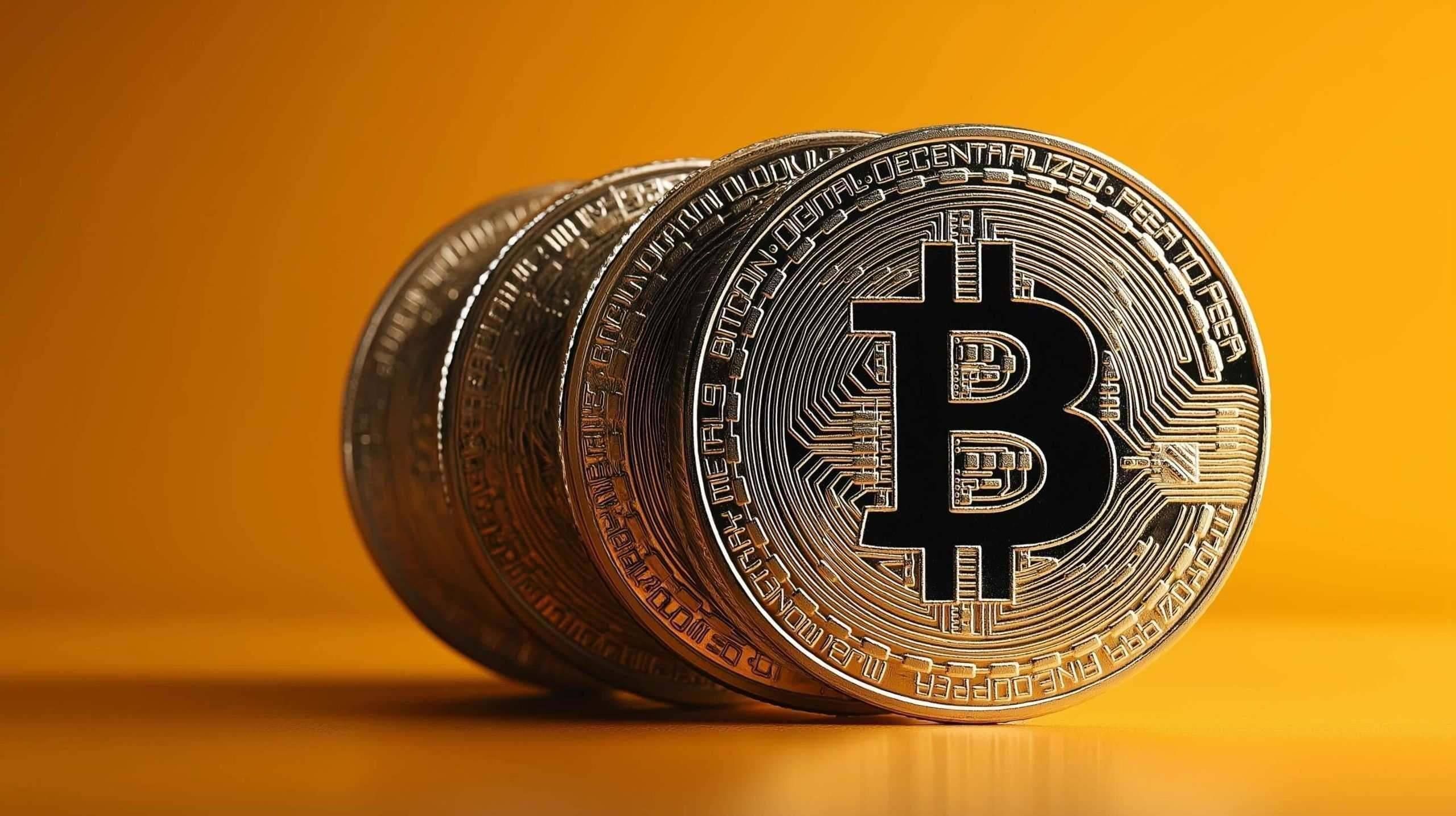

Texas is poised for another wave of cryptocurrency cash access after Bitcoin Bancorp OTC:BCBC announced plans to deploy up to 200 licensed Bitcoin ATMs across the state beginning in Q1 2026—a move that underscores how quickly the Lone Star State has become a focal point for the U.S. crypto economy.
The planned rollout is being framed by the company as a “compliant growth” push into what it calls one of America’s most crypto-forward jurisdictions, but it also lands at a time when crypto ATMs are facing growing consumer-protection scrutiny nationwide—with regulators, lawmakers, and law enforcement increasingly focused on scams and anti-money-laundering safeguards. fincen.gov+2Congress.gov+2
What’s being announced today, and why it matters
Bitcoin Bancorp’s announcement centers on three headline points:
- Scale: Up to 200 machines planned for Texas.
- Timing: Deployment expected to begin in the first quarter of 2026.
- Positioning: A “licensed” footprint designed to align with state and federal compliance expectations. GlobeNewswire+1
In the company’s press release, director Eric Noveshen said Texas is “strategically important” for the next phase of growth, adding that the company is moving from “planning” into “execution” with agreements already in place to support faster revenue growth. GlobeNewswire
While many crypto ATM headlines focus only on machine counts, Bitcoin Bancorp is also pitching a longer-term strategy: expanding a licensed nationwide footprint and later adding “compliant functionality” such as digital-asset payments, stablecoin services, and select Web3-enabled features—part of a broader vision for “blockchain-enabled micro-bank branches” in everyday retail locations. GlobeNewswire
Why Texas is the target market for this crypto ATM push
Bitcoin Bancorp’s stated rationale for choosing Texas includes:
- a “business-friendly regulation” climate,
- “modernized money-transmitter laws,” and
- a “pro-innovation policy environment.” GlobeNewswire+1
Texas also lacks a state personal income tax, which the company argues helps make the state attractive to digital-asset and fintech firms.
Beyond policy, Texas has become a major crypto hub in practice. Cointelegraph notes the state’s large population and points to the presence of significant mining activity and major mining companies, alongside existing ATM operators already active in the state.
“Licensed” Bitcoin ATMs: what that typically implies in practice
The word “licensed” can be vague in crypto marketing, but in the ATM/kiosk world it generally signals that the operator is attempting to operate within established money-services rules—especially around identity checks and transaction monitoring.
Bitcoin Bancorp’s own release clarifies a key detail: the company owns Bitcoin ATMs, but they are operated by licensed third-party operators in the jurisdictions where they’re installed. The company also explicitly states it is not licensed as a bank and does not provide banking services.
That distinction matters because the compliance obligations for kiosks often sit with the operator, not necessarily the hardware owner—though regulators can still scrutinize the full chain of control, from branding and placement deals to transaction flow and consumer disclosures.
Texas has tightened the rules for crypto kiosks, even as it courts the industry
A big reason Texas is being described as “crypto-forward” is that it has been moving toward clearer rules—especially after crypto ATM scams became a recurring issue across the U.S.
In 2025, Texas advanced a dedicated framework for virtual currency kiosks (often used as the legal term for crypto ATMs). Under Texas SB 1705, a kiosk operator generally must:
- hold a money transmission license to conduct virtual currency business activity in the state,
- register kiosks with the Texas Department of Licensing and Regulation (TDLR) and obtain approval before activation,
- comply with consumer-disclosure obligations (including warnings that transactions may be irreversible),
- stay within a daily transaction limit of $1,000 per customer in a 24-hour period, and
- meet additional operational and compliance requirements reflected in the bill’s text and analyses.
This is a crucial nuance for readers and consumers: the same state being cited as “friendly” is also building a more explicit compliance perimeter around kiosks—one that can raise the cost of doing business for operators, while aiming to reduce fraud exposure for everyday users.
The expansion comes as the federal government spotlights crypto ATM scam risks
In August 2025, the U.S. Treasury’s Financial Crimes Enforcement Network (FinCEN) issued a notice urging financial institutions to watch for and report suspicious activity involving convertible virtual currency (CVC) kiosks. FinCEN highlighted that kiosks can be convenient for consumers, but are also exploited by scammers—and that risk increases if kiosk operators fail to meet Bank Secrecy Act obligations.
Separately, U.S. lawmakers have also proposed additional guardrails for kiosks. The Crypto ATM Fraud Prevention Act of 2025 (S.710) was introduced in the U.S. Senate with the stated goal of preventing fraudulent transactions at virtual currency kiosks.
The direction of travel is clear: even as crypto becomes more mainstream, crypto ATMs are increasingly treated as a high-risk retail on-ramp—especially for first-time users and older adults, who have been heavily targeted in imposter and tech-support style scams.
Texas’ bigger crypto signal: a state-backed Bitcoin reserve is now real
Bitcoin Bancorp’s Texas expansion headlines land against a wider backdrop: Texas isn’t just hosting miners and kiosks—it has also moved into state-level Bitcoin exposure.
- In June 2025, Gov. Greg Abbott signed SB 21, creating the framework for a Texas strategic Bitcoin reserve structure, according to legal and legislative tracking.
- In December 2025, the Texas Tribune reported the state launched its cryptocurrency reserve with a $5 million Bitcoin purchase as a “placeholder investment,” while working to contract with a cryptocurrency bank to manage the portfolio; lawmakers appropriated $10 million for the reserve. The Texas Tribune
- Governing, citing reporting from The Dallas Morning News, reported the purchase was made through BlackRock’s iShares Bitcoin Trust ETF (IBIT), with the comptroller’s office confirming the transaction.
Whatever one thinks of the policy, the practical effect is that Texas has been sending a consistent market signal: it wants to be seen as a U.S. center of gravity for digital assets—while still moving toward more explicit oversight of retail crypto access points like kiosks.
Competitive landscape: Texas already has major crypto ATM operators
Bitcoin Bancorp won’t be building in a vacuum. Cointelegraph’s reporting notes that Bitcoin Bancorp will join other major operators offering crypto ATMs in Texas, including Bitcoin Depot and CoinFlip.
Other market coverage also describes a dense kiosk environment across major metro areas—one reason Texas is attractive for expansion is that consumer demand for in-person cash-to-crypto access appears durable, even as regulators push for stronger disclosure and fraud prevention.
For Bitcoin Bancorp, differentiation is being pitched less as “we’re first” and more as “we’re structured differently,” emphasizing patents and a compliance-oriented expansion model. GlobeNewswire+1
Investor angle: BCBC’s identity shift and market attention
Another detail showing up across financial coverage is that Bitcoin Bancorp is still in a relatively fresh public-market identity transition.
Investing.com notes the company was formerly Bullet Blockchain, and that a FINRA corporate action enabled the name and ticker change (from OTC:BULT to OTC:BCBC) effective October 15, 2025.
Around the Texas ATM announcement, market reporting also highlighted notable short-term share movement, reflecting how closely microcap crypto infrastructure plays can trade on expansion headlines.
What Texans should know before using a Bitcoin ATM
Even if you’re not tracking OTC tickers or state legislation, this Texas expansion story has a consumer takeaway: crypto ATMs are easy to find and easy to use—but they’re also frequently used in scams.
A 2025 CBS Texas investigation described how scammers direct victims to withdraw cash and feed it into a Bitcoin ATM, after which funds can be difficult to recover once sent to an external wallet.
With more machines potentially arriving in 2026, consumer-protection experts generally urge basics like:
- treat unsolicited “urgent” payment demands as a red flag,
- verify any caller independently (bank, police, relative, tech company),
- avoid paying “fees” or “bail” via crypto kiosks, and
- assume crypto ATM transactions may be effectively irreversible once completed.
Bottom line for 2026: growth meets guardrails
Bitcoin Bancorp’s plan to bring up to 200 licensed Bitcoin ATMs to Texas starting in Q1 2026 is the latest sign that the state remains a prime battlefield for retail crypto access—big enough for national operators, politically eager to attract crypto business, and increasingly willing to write clearer rules for kiosks.
The bigger story isn’t just “more machines.” It’s the collision of three trends that will shape what Texans actually see on the ground in 2026:
- Expansion by operators chasing scale and distribution in high-demand states.
- State-level policy experimentation, from reserves to kiosk regulation.
- Rising federal attention to kiosk-linked fraud and compliance obligations.
If Bitcoin Bancorp executes on its plan, Texas shoppers could see more Bitcoin ATMs in the familiar places they already buy gas, groceries, and convenience items—only with more explicit compliance and consumer-warning requirements shaping how those machines can operate.
Related articles: Fintech