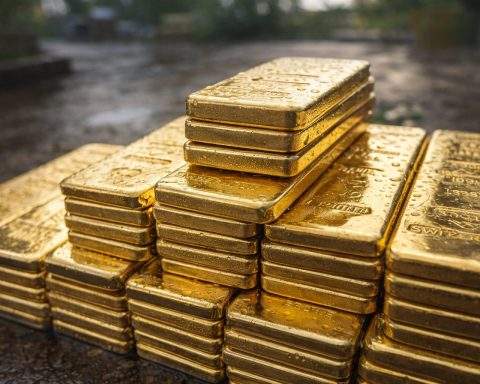

Gold and silver prices surged again in India on Friday, December 26, 2025, extending a year-end rally that has left both investors and jewellery buyers recalibrating budgets just days before the New Year. The spike in domestic rates tracked a record-setting run in global precious metals, where silver and gold hit fresh all-time highs amid a mix of safe-haven demand, expectations of easier US monetary policy, and thin year-end liquidity.
Below is what changed in India today, why the numbers you see can differ across sources, and what market experts say is powering this outsized move in bullion.
Gold price today in India: Latest IBJA rates (26 Dec 2025)
As per India Bullion and Jewellers Association (IBJA) reference rates reported on Friday, gold moved higher across key purities, while silver logged one of the sharpest jumps of the week.
IBJA reference rates (Friday vs Wednesday evening):
- 24K (999) gold: ₹137,914 per 10 grams (up ₹1,287)
- 22K (916) gold: ₹126,329 per 10 grams (up ₹1,179)
- 18K (750) gold: ₹103,436 per 10 grams (up ₹966)
- Silver (999): ₹232,100 per kg (up ₹13,117) AajTak
AajTak also noted that the silver rally has been building for days: silver was around ₹200,336 per kg on December 19 and reached ₹232,100 per kg by December 26 (as per the same IBJA-referenced reporting), highlighting just how fast momentum accelerated into the holiday week.
Important for buyers: IBJA reference rates are widely used as a benchmark, but they do not include GST and making charges, so the final retail bill at a jewellery shop is typically higher.
Why the gold and silver price you see online can vary: IBJA vs MCX vs jewellery shops
If you’re comparing headlines or checking multiple apps, you may see different “gold price today” and “silver rate today” numbers—sometimes by thousands of rupees. That’s usually because you’re not looking at the same market.
Here’s the practical difference:
- IBJA rates: Benchmark reference prices for bullion purity (helpful as a “base rate”), typically excluding GST/making charges. AajTak
- Futures prices (like on exchanges): Reflect expectations, positioning, and near-term liquidity conditions; they can run above or below spot benchmarks depending on premiums and demand. Reuters explains how spot and futures markets operate differently and why price discovery can vary across hubs and products.
- Retail city prices: Can include local premiums/discounts, transport and hedging costs, and immediate supply-demand conditions—especially during wedding and festive demand.
Also note: IBJA reference rates are not published on Saturdays, Sundays, and central government holidays, which can affect how “today’s price” is displayed on weekends. AajTak
Record highs in futures: Gold nears ₹1.40 lakh/10g, silver crosses ₹2.35 lakh/kg
While IBJA benchmarks rose sharply, the move looked even more dramatic in futures-linked reporting.
Dainik Jagran reported that:
- Gold (24 carat) in the futures market jumped to about ₹1,39,851 per 10 grams, and
- Silver rose to about ₹2,35,247 per kg, both marking fresh record levels in that segment.
Jagran attributed the “stormy” rise to two core forces:
- A heightened geopolitical risk environment, and
- Expectations that the US central bank could cut rates, improving the appeal of non-yielding assets like gold.
Those themes show up repeatedly across global market coverage too.
From Delhi to Bikaner: Silver’s rally hits local sarafa markets in Rajasthan
The silver surge is not just a national headline—it’s filtering into local markets as well, including Rajasthan.
Two Bikaner-focused trackers that publish city-wise rates showed silver in the ₹2.35–₹2.40 lakh per kg range around December 26–27:
- ABP Live (Bikaner): shows ₹235,165 per kg on Dec 26 and ₹248,263 per kg on Dec 27 (it lists IBJA as the source for the displayed series).
- MyGoldSilver (Bikaner): lists ₹240,520 per kg on Dec 26 and the same level continuing into Dec 27.
Because these are city-rate trackers (and may update at different times), treat the numbers as directionally reliable, then confirm the final deal rate with your local sarafa/jeweller—especially in a fast tape.
What’s driving gold and silver prices higher? Four forces behind the surge
1) Global record highs are pulling up Indian prices
On December 26, Reuters reported silver and gold hitting fresh global records, with silver moving beyond the $77 level intraday and gold reaching an all-time high around $4,549.71/oz.
When global spot prices jump, Indian prices typically react quickly—often amplified by currency moves, import dynamics, and local demand.
2) Rate-cut expectations are boosting non-yielding assets
Gold and silver don’t pay interest. When markets believe interest rates are headed lower, the “opportunity cost” of holding precious metals tends to fall.
Reuters explicitly tied the record run to expectations of US Federal Reserve rate cuts and noted that a weaker US dollar can make dollar-priced gold more attractive to non-US buyers.
The same logic is echoed by research from the World Gold Council, which has pointed to a supportive setup for gold when lower rates and a weaker dollar combine with elevated risk aversion.
3) Silver’s supply deficit meets industrial demand (solar, EVs, data centers)
Silver is behaving like a hybrid asset: part safe haven, part industrial metal.
- The Silver Institute has repeatedly highlighted that the market has been dealing with structural deficits, and it has linked silver’s backdrop to both investment behavior and industrial uses—including continued expansion in tech-related applications.
- The Institute has also pointed to continued growth themes such as AI-related demand (e.g., data centers) and EV-linked demand (while noting “thrifting” trends that reduce silver per solar module). The Silver Institute
- The International Energy Agency (IEA) has warned that under its Net Zero pathway, solar PV manufacturing could demand a dramatically larger share of global silver supply by 2030, raising the risk of supply-demand mismatches.
This matters because when investor flows surge at the same time industrial demand is structurally supported, silver can move faster than gold—in both directions.
4) Investment flows and central bank buying keep gold bid
Gold’s 2025 rally has been reinforced by investment flows (including ETFs) and central bank demand.
Reuters’ explainer on what fuels the gold market notes a 2025 mix that includes safe-haven demand, rate-cut bets, central bank buying, de-dollarisation trends and ETF buying, and it also cites World Gold Council data on ETF inflows.
Meanwhile, the World Gold Council’s own research has described strong investment demand in 2025 amid geopolitical turbulence and US dollar weakness.
Expert take: What analysts and industry leaders are saying
Several widely cited market voices pointed to a similar set of drivers—macro + geopolitics + supply constraints—while warning that volatility can remain intense.
- Peter Grant (Zaner Metals) told Reuters that thin markets are amplifying volatility and that expectations of Fed easing, a weaker dollar and geopolitics are key drivers (while flagging year-end profit-taking risk).
- In India, Aksha Kamboj, identified by The Economic Times as VP at the India Bullion & Jewellers Association and chair at Aspect Global Ventures, linked silver’s move to renewables demand alongside a tight supply setup.
- Hareesh V (Geojit Investments) described the rally as a confluence of industrial demand + tightening supply + heightened investor interest, noting silver’s dual identity as both industrial and hedge asset.
- Rajesh Rokde (GJC) framed 2025 as a reminder that precious metals can behave like strategic assets during global uncertainty, and he highlighted silver’s growing role in renewable and mobility themes.
For longer-horizon context, ING’s commodities strategist Ewa Manthey argued that gold’s key drivers—central bank demand, macro uncertainty, and expectations of easier policy—remain in play heading into 2026 (while also listing downside risks).
What to watch next if you’re tracking gold and silver prices
If you’re a buyer, investor, or simply trying to time a purchase for a wedding or gifting, these are the catalysts most likely to move prices near-term:
- US rate-cut expectations and the dollar index (both gold and silver are highly sensitive).
- Geopolitical escalation or de-escalation (a key driver of safe-haven demand).
- Year-end liquidity and profit-taking: big moves can become bigger when markets are thin.
- Indian physical demand (wedding/festive buying) and how consumers react to record prices.
- Silver supply/demand headlines, especially around industrial usage and deficits.
Bottom line
On December 26, 2025, India’s bullion market moved sharply higher, with IBJA benchmark gold and silver rates rising across the board and local markets—right down to city-level trackers in places like Bikaner—reflecting the heat in silver.
The bigger story is that this is not an India-only spike: global gold and silver hit record highs, driven by rate-cut expectations, geopolitical risk, and (especially for silver) a narrative of tight supply meeting structural industrial demand.