
NEW YORK, January 1, 2026, 13:00 ET — Market closed
- U.S. natural gas-linked fund UNG fell 6.7% in the last session as Henry Hub futures dropped on warmer forecasts and a light storage draw.
- Gas producers slipped while LNG exporter Cheniere edged up, with traders focused on weather updates and the next EIA storage report.
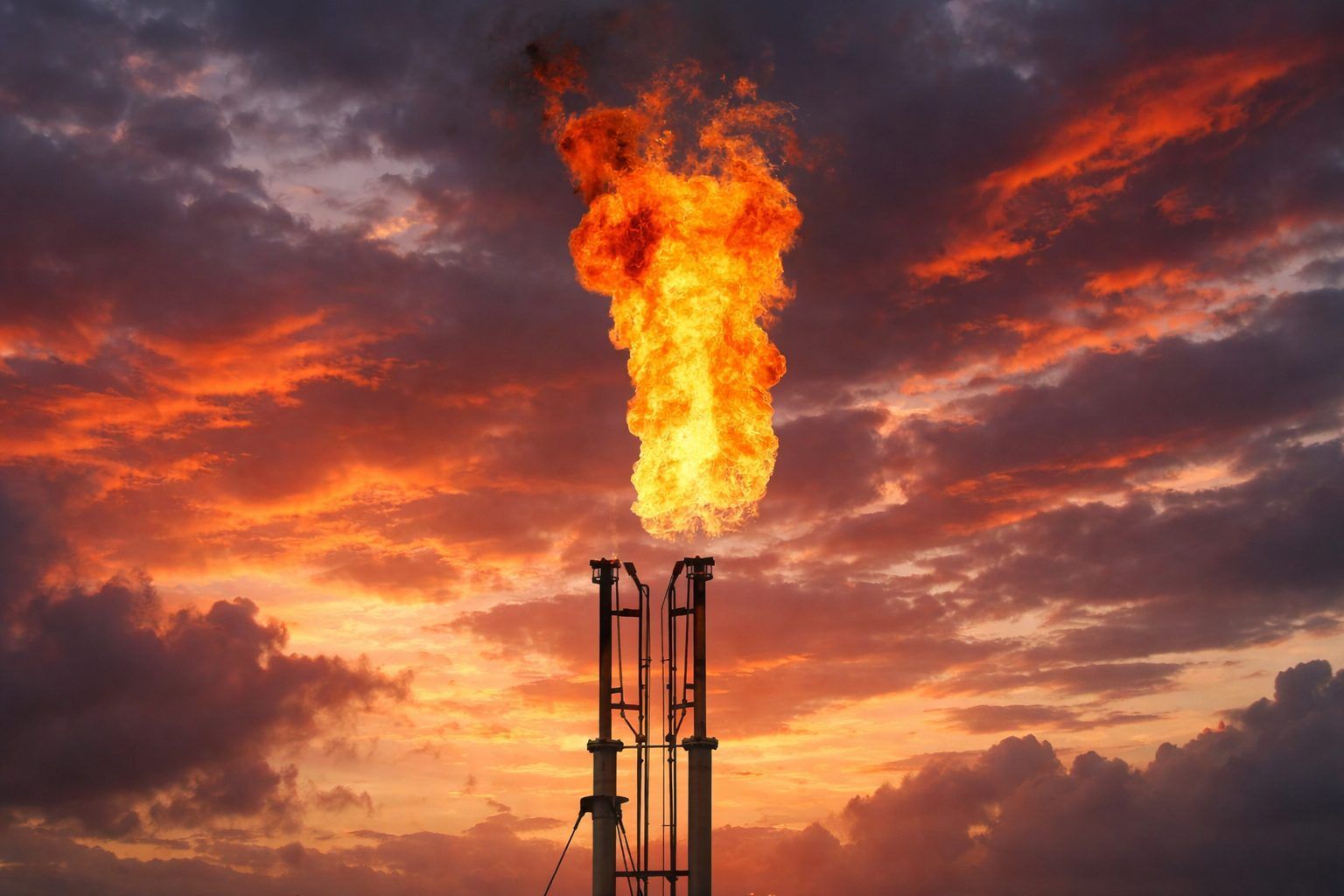
The United States Natural Gas Fund (UNG) sank 6.7% on Wednesday, the last U.S. trading session of 2025, tracking a sharp pullback in U.S. natural gas prices after traders leaned into a warmer weather outlook for early January.
The move matters because winter pricing is still dominated by short-term swings in heating demand, and forecasts can change quickly. A warmer-than-normal pattern typically means less gas burned for heat and fewer withdrawals from storage.
It also lands as U.S. liquefied natural gas (LNG) exports keep running at high levels, tying domestic prices more closely to export demand. That support can be offset in the near term when weather turns milder and production stays high.
UNG closed at $12.26, after trading between $12.18 and $12.69 during the session.
Among gas-heavy producers, EQT fell 1.9%, Antero Resources slid 1.8% and Range Resources dropped 2.3%. LNG exporter Cheniere Energy rose 0.5%.
In the futures market, front-month February Henry Hub contracts were down 5.7% at $3.745 per million British thermal units by 12:41 p.m. ET on Wednesday, pressured by warmer forecasts for next week and a smaller-than-expected storage withdrawal, even as record gas flows to LNG export facilities in 2025 kept the market on track for a second straight annual gain.
Meteorologists projected above-normal temperatures across the country through Jan. 14, Reuters reported, and Heating Degree Days — a measure of energy demand to heat buildings — fell to 413 from 439 a day earlier.
The Energy Information Administration said utilities withdrew 38 billion cubic feet (bcf) from storage for the week ended Dec. 26. One bcf is a billion cubic feet of gas.
Working gas in storage stood at 3,375 bcf, the EIA data showed. That left inventories about 58 bcf above the five-year average for this time of year, based on the agency’s historical comparisons.
On the supply side, LSEG data showed Lower 48 output averaging 110.1 billion cubic feet per day (bcfd) in December, a record, while average feedgas deliveries to the eight big U.S. LNG export plants reached 18.5 bcfd in December. Feedgas is gas delivered to liquefaction terminals for export.
“Given this weather and the drawdown number, there’s really not a whole lot of room for the natural gas prices to go up,” said Zhen Zhu, a managing consultant at C.H. Guernsey and Company in Oklahoma City. BOE Report
Before the next session: U.S. markets reopen on Jan. 2, and traders are likely to keep treating weather model shifts and LNG feedgas flows as the main near-term catalysts. The next weekly storage report from the EIA is scheduled for Jan. 8, following Wednesday’s holiday-shifted release.
UNG’s Wednesday low of $12.18 is the first level many short-term traders will watch for signs of another wave of selling, while the day’s high of $12.69 marks the nearby upside hurdle if gas prices rebound.
Related articles: NYSE:UNG