
NEW YORK, January 2, 2026, 12:50 ET
- New analysis using SOHO data estimates how much water 3I/ATLAS released after its closest pass by the Sun
- Breakthrough Listen researchers reported no credible narrowband radio “technosignatures” from the object
- Amateur astronomers are still trying to photograph the faint comet during January
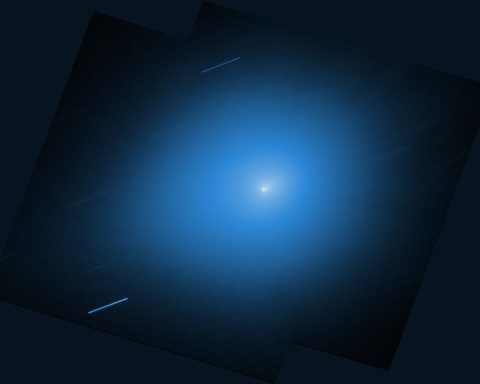
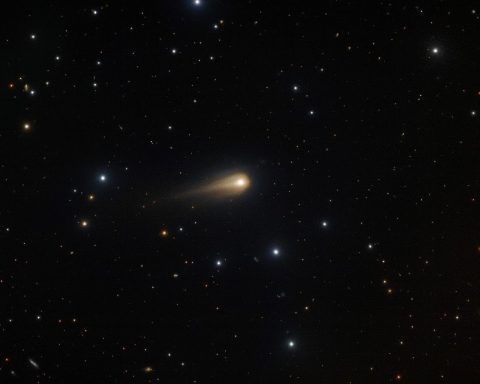
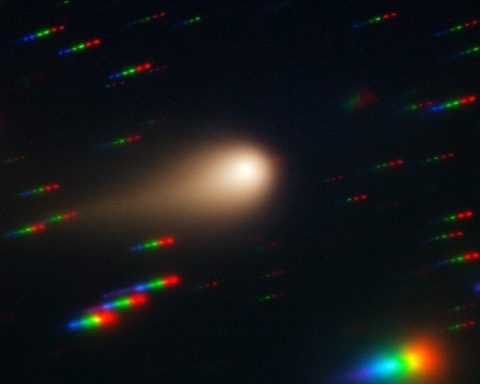
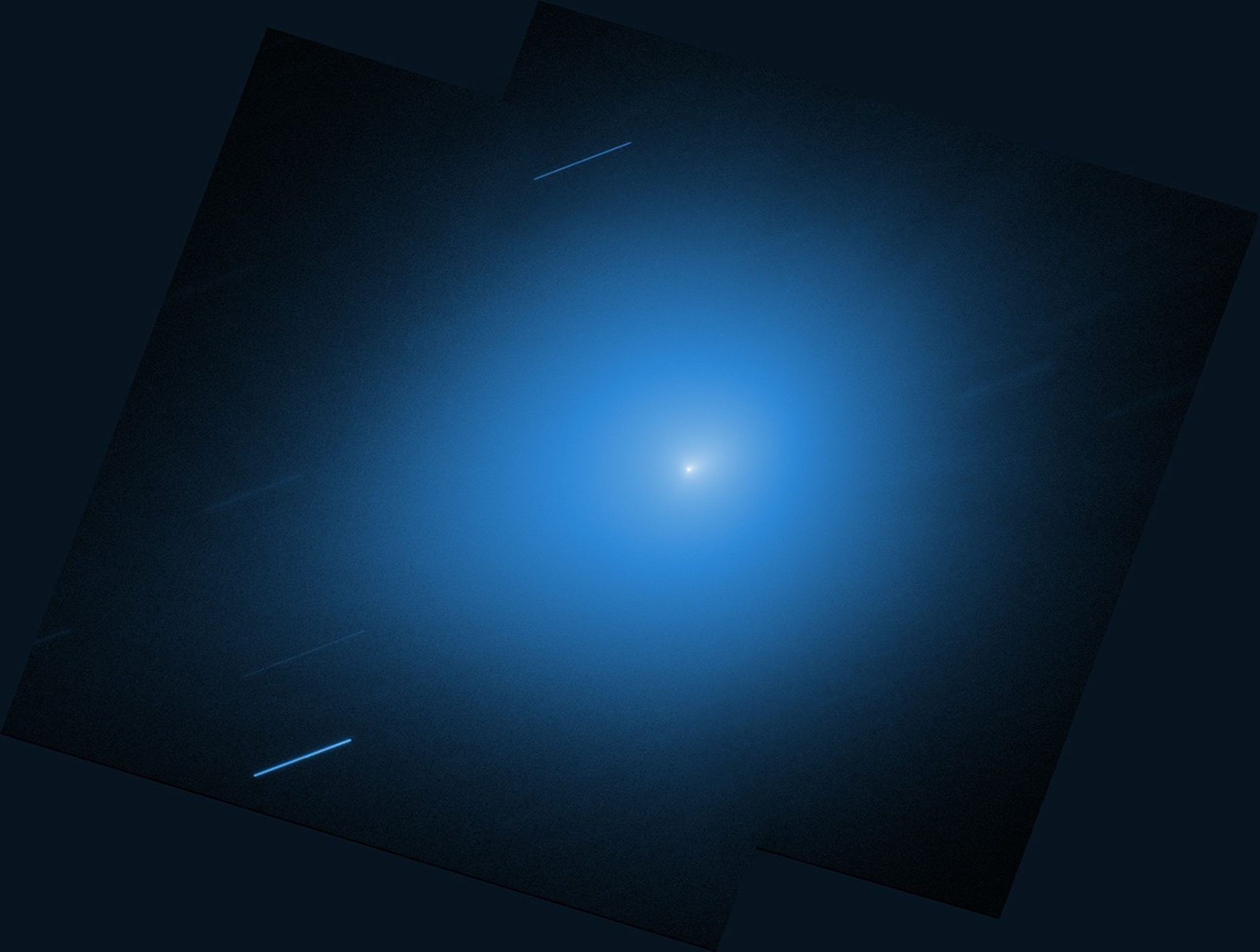
Astronomers have measured water streaming from interstellar comet 3I/ATLAS after it passed closest to the Sun, using ultraviolet observations that track hydrogen released as water breaks apart, a report published on Friday said.
The finding matters because 3I/ATLAS is only the third confirmed object known to have entered the solar system from interstellar space. Scientists treat such visitors as time-limited samples of material formed around another star, and this one is still being followed as it recedes.
NASA has said the comet is on a hyperbolic trajectory — a one-time flyby rather than a closed orbit around the Sun — and poses no threat to Earth. The agency said it will stay about 1.8 astronomical units away at its closest, where one astronomical unit is the average Earth–Sun distance.
A preprint submitted to The Astrophysical Journal Letters said SOHO’s SWAN instrument began observing the comet’s hydrogen coma on Nov. 6, 2025 — nine days after perihelion, its closest point to the Sun. The authors estimated a peak water production rate of 3.17×10^29 molecules per second at a heliocentric distance of 1.40 AU, falling to about 1–2×10^28 molecules per second by Dec. 8.
SOHO, a joint ESA/NASA mission, sits about 1.5 million kilometers from Earth, and SWAN was built to map ultraviolet light from hydrogen across the sky rather than image the Sun itself. Universe Today said the instrument can infer a comet’s water output by measuring the hydrogen glow created after sunlight splits water molecules.
The post-perihelion measurements are a key gap for 3I/ATLAS, because many early studies focused on the comet as it was heating up on the way in. Tracking the decline as it moved outward helps researchers compare its behavior with comets born in the solar system.
The comet’s high profile has also drawn attention from SETI efforts — searches for signals that might indicate extraterrestrial technology. A “technosignature” is any detectable sign of advanced technology, such as an artificial radio transmission.
In a Jan. 1 report, space journalist Leonard David wrote that the Breakthrough Listen program used the 100-meter Green Bank Telescope to look for narrowband radio signals — a tight slice of frequencies that can stand out against natural background noise. Lead author Ben Jacobson-Bell “reports ‘we find no credible detections of narrowband radio technosignatures originating from 3I/ATLAS.’” Leonarddavid
Gadgets 360 reported that the search scanned 1–12 gigahertz and that signals flagged in initial processing were later attributed to Earth-based interference, leaving no evidence of an artificial transmitter stronger than 0.1 watts at the object’s location.
For skywatchers, the comet remains a challenging target. BBC Sky at Night Magazine said 3I/ATLAS was expected to be around magnitude +15.6 on Jan. 1 — generally requiring imaging equipment rather than naked-eye viewing — and it tracks from the constellation Leo toward Cancer in January.
The object has become a flashpoint for broader debates about how the world should handle rare interstellar arrivals. In a Times of Israel blog post, writer Rafi Glick called 3I/ATLAS a “wake-up call” and argued for a more coordinated strategy for studying interstellar objects as detection rates rise. Timesofisrael
Related articles: Scientific Discoveries