
NEW YORK, Jan 3, 2026, 12:54 ET — Market closed
- PDVSA sources said production and refining were operating normally after the U.S. strike
- Brent last settled at $60.75 a barrel and WTI at $57.32 ahead of the weekend halt
- Traders are watching Sunday’s OPEC+ meeting and any shift in Venezuela export constraints
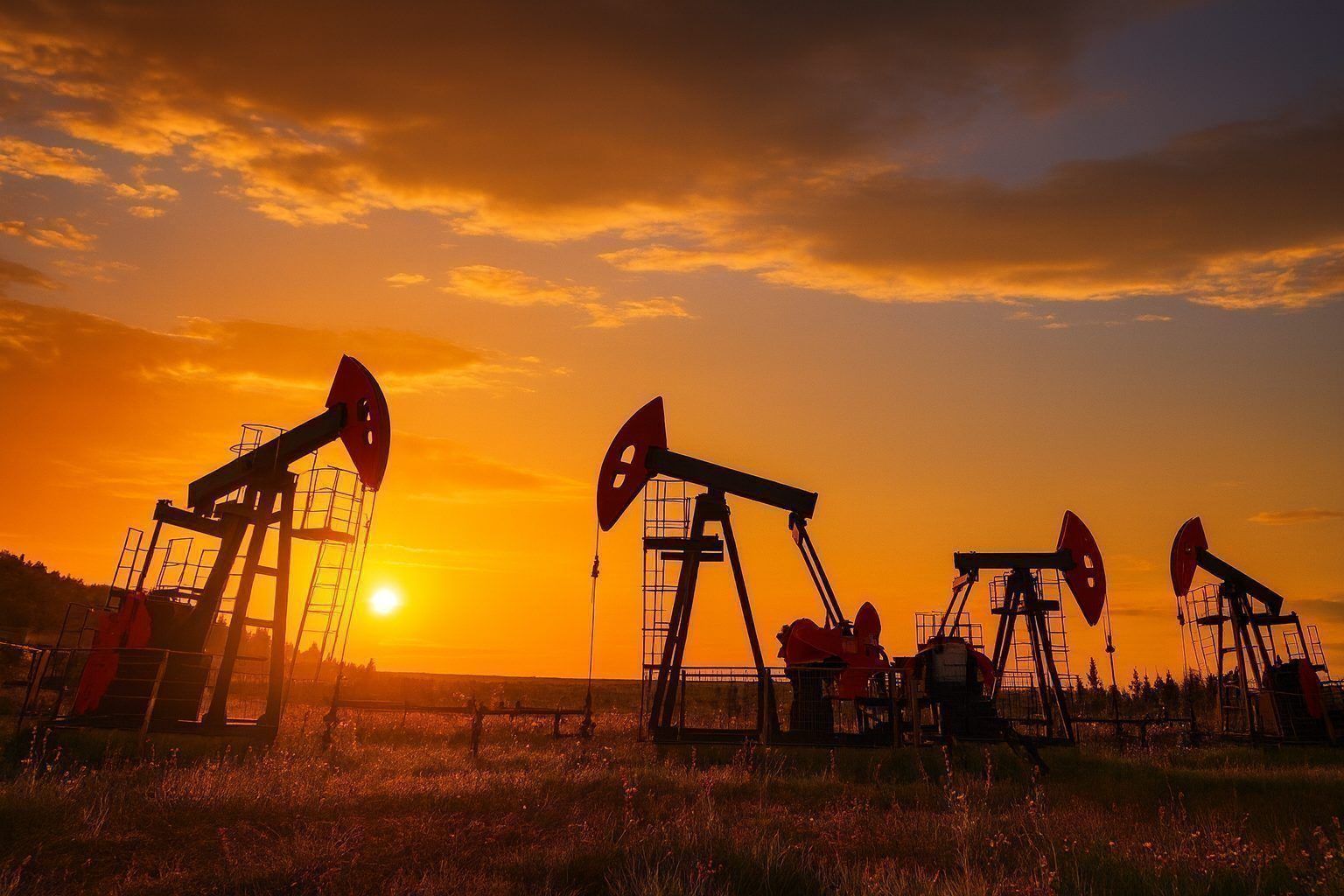
Oil traders are bracing for the next crude-futures open after U.S. forces struck Venezuela and captured President Nicolas Maduro, while state company PDVSA said production and refining were operating normally. Two people familiar with PDVSA operations said the attack did not damage oil facilities, though the port of La Guaira near Caracas was badly hit. A U.S. tanker blockade announced in December and the seizure of two Venezuelan crude cargoes already pushed exports to roughly half their November pace, according to monitoring data and internal documents.
The Venezuela shock matters for crude because the OPEC member holds the world’s largest reserves and produces mostly heavy crude, a thick grade that requires specialized refineries. Output averaged about 1.1 million barrels per day last year, roughly 1% of global supply, and exports have largely flowed to China since U.S. sanctions curtailed U.S. buying, Reuters reported. Trump said the United States would be strongly involved in the sector, but analysts said any sustained production recovery from sanctions relief would take time given decaying infrastructure and years of underinvestment.
Brent settled at $60.75 a barrel on Friday, down 10 cents, and U.S. West Texas Intermediate ended at $57.32, also down 10 cents. With crude futures closed for the weekend, traders will gauge how much risk premium — the extra price paid to cover potential supply outages — gets added when trading resumes, after both benchmarks fell nearly 20% in 2025. “Oil prices are locked in this long-term trading range,” said Phil Flynn, senior analyst at Price Futures Group, as the market heads into Sunday’s OPEC+ meeting where traders expect the group to keep pausing planned output increases in the first quarter. Reuters
For now, the immediate oil risk sits less in damaged infrastructure and more in logistics: tanker availability, insurance and whether cargoes can move without delays.
Venezuelan crude is mostly heavy, which means fewer refineries can process it efficiently. When those barrels get trapped, replacement barrels often come from different producers and at different costs, which can ripple through refined-product margins.
The other counterweight is the bigger picture. Oil enters 2026 with investors focused on oversupply and weak price momentum, leaving less room for a sustained rally unless physical barrels actually go missing.
One near-term signal traders will watch is how physical “differentials” move once the market digests the weekend headlines. Differentials are the discounts or premiums that real cargoes trade at versus benchmark futures.
Any market reaction is also likely to split by time horizon. A shock can lift prompt prices quickly, while longer-dated contracts may stay anchored if traders believe Venezuela’s supply outlook ultimately improves.
Policy clarity will matter as much as battlefield headlines. Traders will look for concrete steps on shipping restrictions, sanctions enforcement and who controls PDVSA’s export system in the days ahead.
Before the next session, attention will turn to Sunday’s OPEC+ decision and the first electronic price reaction when crude trading resumes after the weekend halt.
Key levels are also in focus because benchmarks are sitting close to round numbers. Brent near $60 and WTI near $57 have acted as the market’s reference points, and a clean break above or below can amplify moves as systematic funds respond.
For a faster read on disruption risk, traders will also watch prompt spreads — the price gap between near-term and later deliveries — because they often react first when the market senses supply tightening.
PDVSA says barrels are still flowing. The first hard test for crude prices comes when futures reopen and traders decide how much Venezuela risk belongs in the barrel.
Related articles: Oil Prices