
Detroit, Jan 13, 2026, 09:59 EST — Regular session
- Ford shares held steady in early trading as Trump’s visit to Detroit refocuses attention on the auto sector
- Investors remain wary in the sector amid ongoing shifts in trade policies and EV incentives
- Ford’s quarterly and full-year results, due Feb. 10, loom as the next major catalyst
Ford Motor NYSE:F dipped 0.2% to $14.01 in early Tuesday trading. The stock gained renewed focus after the White House announced President Donald Trump will tour Ford’s F-150 plant in Dearborn and speak in Detroit as the Auto Show kicks off its first week. Sandy Baruah, CEO of the Detroit Regional Chamber, emphasized the industry’s desire for “a pathway forward” on trade with Mexico and Canada. Reuters
Why it matters now: Automakers are rapidly adjusting product plans as Washington reshapes emissions and incentive policies. General Motors CEO Mary Barra noted that scrapping the $7,500 EV consumer tax credit and tightening tailpipe-emissions standards triggered “fairly significant changes” in their product strategy. Reuters
Ford is already deep into its own reset. Last month, it took a $19.5 billion charge linked to dropping several EV programs. CEO Jim Farley told Reuters the decision came after “when the market really changed.” Investors are set for the next hard read on Feb. 10, when Ford releases its fourth-quarter and full-year results. Reuters
The stock closed Monday down 1.2% at $14.03, marking its second day in a row of losses. It now sits roughly 3% below the 52-week high reached last week.
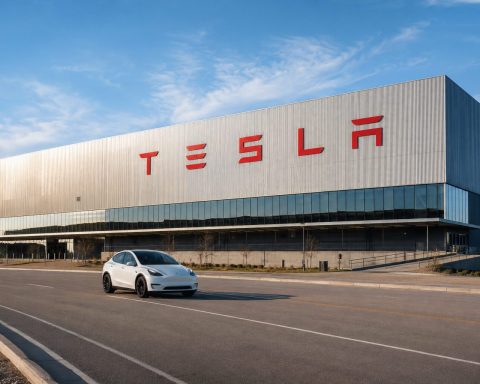
Early trading saw mixed moves among peers. GM dipped around 0.1%, while Tesla edged up about 0.1%.
The broader market held steady, while the SPDR S&P 500 ETF Trust saw little movement.
Ford reported earlier this month that its U.S. auto sales for 2025 climbed 6% to 2,204,124 vehicles. The boost came from strong demand for hybrids and a budget-friendly pickup, despite a slowdown in EV sales.
Ford has been pushing deeper into software and advanced driver-assistance in its long-term pitch to investors. At CES last week, the company announced plans to roll out its first Level 3 driver-assistance system by 2028. This tech would let drivers take their hands and eyes off the road on select highways. Executive Doug Field clarified it won’t come standard but will be an extra-cost option priced around $30,000.
The downside is straightforward. Tougher tariffs would push parts costs up fast, and a drop in U.S. vehicle demand would hit pricing power—even for trucks, Ford’s main profit source. Plus, another surge in warranty or quality expenses could quickly put the brakes on the stock’s recent climb to last week’s peak.
Traders will spend Tuesday dissecting Trump’s Detroit speech for hints on trade policies and auto regulations. Ford’s next major milestone comes Feb. 10, when it releases earnings and details how its EV reset shapes 2026.
Related articles: NYSE:F