
New York, Jan 13, 2026, 18:23 EST — After-hours
- Eli Lilly shares slipped 0.4% after hours, with weight-loss drugs back in the spotlight.
- The FDA asked companies to remove suicide warnings from GLP-1 weight-loss drug labels, including Lilly’s Zepbound.
- Executives and rivals at JPMorgan’s healthcare conference are sharpening the pitch on pills, price and longer-acting shots.
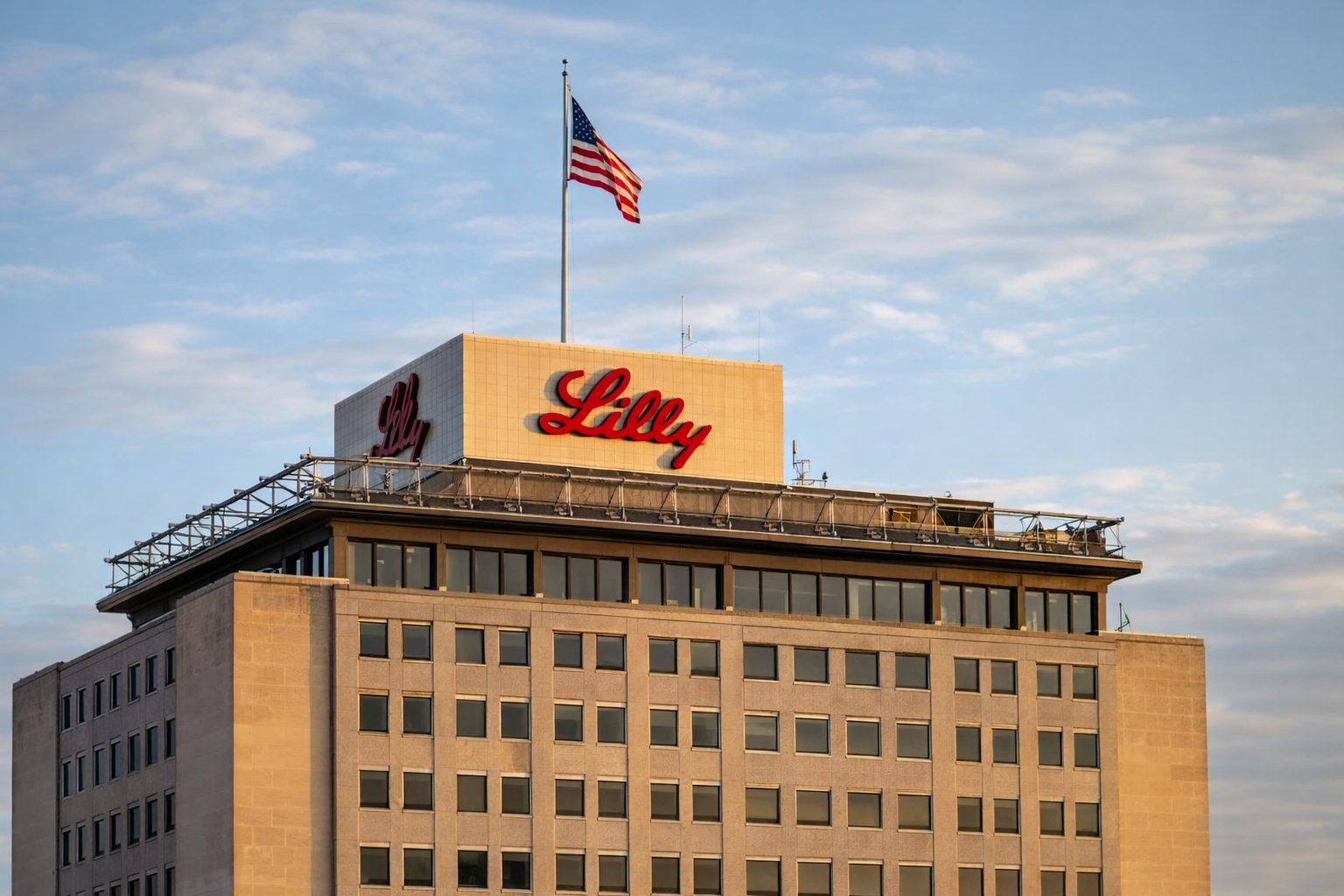
Eli Lilly and Company shares were down 0.4% at $1,077.19 in after-hours trading on Tuesday. The U.S. Food and Drug Administration asked drugmakers to remove suicide-related warnings from labels of GLP-1 weight-loss drugs — medicines that mimic a gut hormone to curb appetite — including Lilly’s Zepbound.
The label shift matters because investors still treat safety language as a proxy for how wide these drugs can spread, and how quickly. Obesity drugs have turned into a crowded, high-stakes market where small changes in risk perception can move demand, and pricing power, fast.
It also lands in the middle of a week when drugmakers are doing a lot of talking. The JPMorgan Healthcare Conference has become a place where the obesity story gets reframed — pill versus shot, weekly versus monthly, “mass market” versus “specialty.”
On Monday, Lilly’s chief scientific and product officer Daniel Skovronsky said the company expects to have enough supply to launch its obesity pill, orforglipron, in “many, many countries” nearly at once. He pointed to a fast-track voucher that could cut review time to as little as one to two months and pitched a $150-a-month cash price as “Starbucks pricing,” arguing the pill’s lack of fasting restrictions could help it compete with Novo Nordisk’s newly launched oral option. Reuters
Bloomberg reported Lilly has also started framing the timing more tightly, with Chief Financial Officer Lucas Montarce saying the pill is “on track” for a second-quarter U.S. approval window — a touch later than what the company had signaled before. Bloomberg.com
Competition is not waiting. Amgen said an extension study showed its experimental obesity drug MariTide helped patients maintain weight loss with lower monthly doses or less frequent dosing, including a quarterly option, and executives talked up tolerability in the second year of treatment. “We are unambiguously in the lead there,” Amgen R&D chief Jay Bradner said, while BMO Capital Markets analyst Evan Seigerman cautioned that the update was “promising” but light on detail. Reuters
Novo Nordisk, meanwhile, has been pushing harder on the pill narrative too. The company said it expects oral GLP-1s to capture more than a third of the obesity market by 2030 and highlighted a U.S. launch of a daily oral Wegovy priced at $149 a month, as the market shifts toward more out-of-pocket, consumer-style buying.
Not all the noise is about obesity. In Europe, France’s finance ministry said it had no contact with Lilly about a reported 15 billion euro ($17.5 billion) bid for biotech Abivax, and Lilly declined to comment on business development activity, cooling a burst of deal chatter around the drugmaker.
But the FDA’s label change is still a request, not a same-day rewrite, and it can take time for label edits to filter into doctors’ habits and payer rules. The wider class also faces the usual questions — side effects, dropouts, and whether insurers keep tightening coverage as more rivals and new dosing formats show up.
Investors will be watching for follow-through in Wednesday’s session and any read-through from conference headlines on pricing and supply. Lilly is scheduled to hold its fourth-quarter earnings call on Feb. 4 at 10:00 a.m. EST.
Related articles: NYSE:LLY