
NEW YORK, Jan 14, 2026, 6:33 PM EST — After-hours
- After-hours, Eli Lilly shares slipped roughly 0.3%.
- The FDA requested drugmakers drop suicide-risk warnings from GLP-1 weight-loss medication labels.
- Investors are keeping a close eye on Lilly’s timeline and pricing strategy for its oral obesity drug, orforglipron.
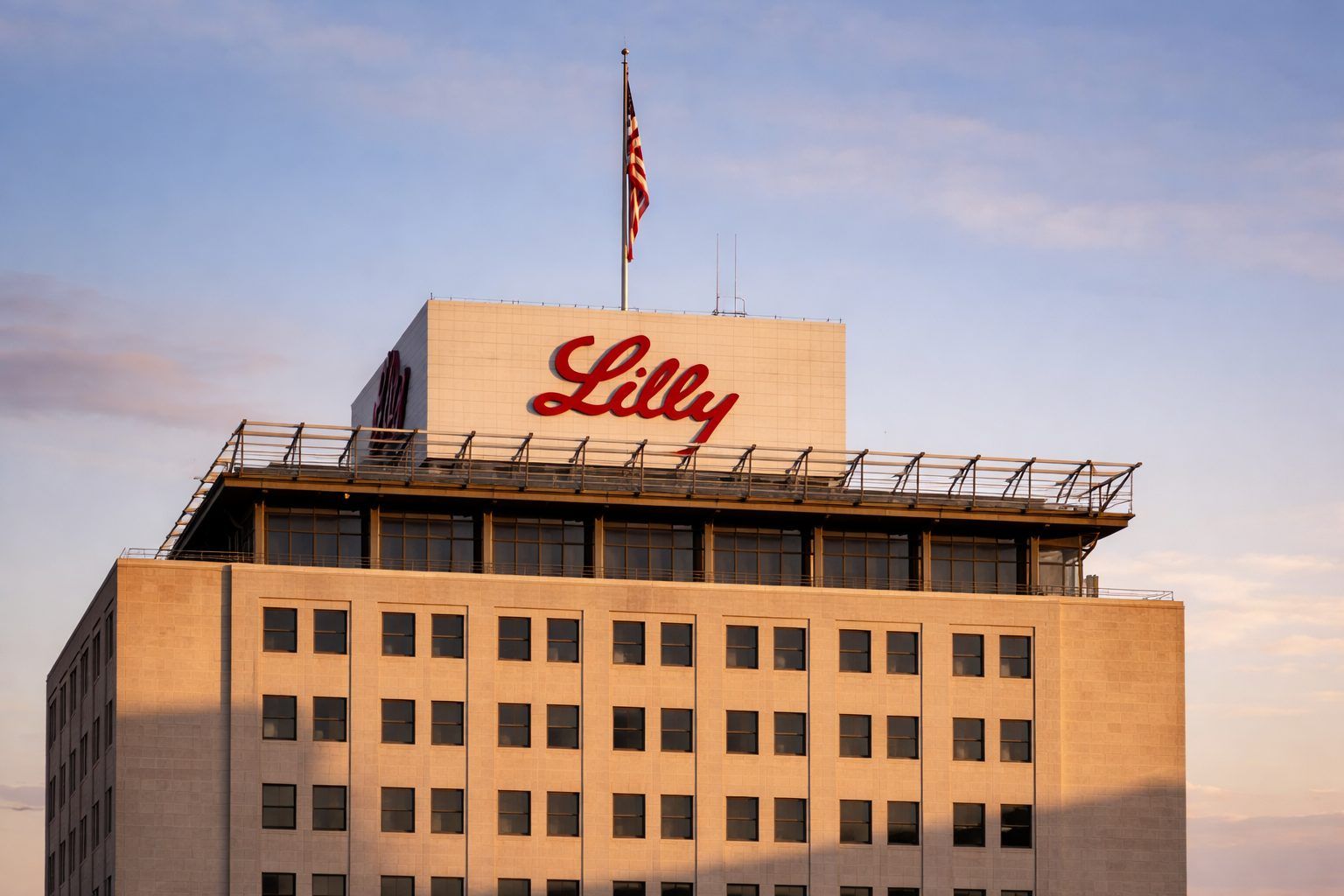
Eli Lilly shares slipped in after-hours trading Wednesday, as investors digested a U.S. regulatory update on weight-loss drug labels alongside new marketing chatter about the company’s upcoming obesity treatment.
The FDA’s move to remove suicide warnings from GLP-1 weight-loss drugs comes at a tricky time for the sector. Demand is surging, competition is ramping up, and any change in safety signals could sway both prescribing habits and payer decisions.
For Lilly, the timing coincides with efforts to expand its obesity franchise beyond injections. Traders are eyeing whether an oral pill can grow the market without ramping up supply or side effects.
On Tuesday, the FDA requested that drugmakers strip warnings about possible suicidal thoughts from labels of GLP-1 weight-loss drugs, including Novo Nordisk’s Wegovy and Lilly’s Zepbound. The agency found no evidence tying this drug class to a higher suicide risk in placebo-controlled trials. A Lilly spokesperson said the company valued “the FDA’s careful consideration” and would “continue to work with the FDA on next steps.” Reuters
GLP-1 receptor agonists, initially created to treat type 2 diabetes, mimic gut hormones that regulate appetite and blood sugar. These drugs have turned into a major growth driver for large pharmaceutical companies, while also attracting intense scrutiny.
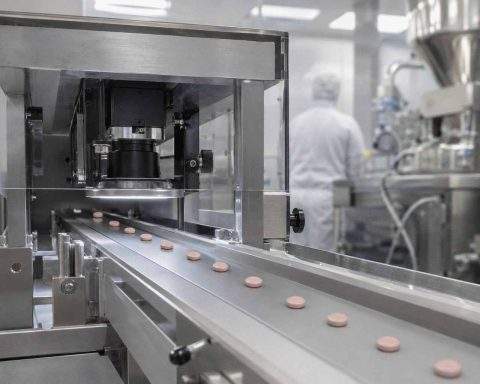
Lilly executives have also been promoting orforglipron, a once-daily obesity pill, targeting patients who prefer to avoid injections or can’t get them covered. Daniel Skovronsky, Lilly’s chief scientific and product officer, told Reuters the company aims to roll out the pill in many countries “as quickly as possible.” He described the $150 monthly cash price as “Starbucks pricing.” Reuters
Skovronsky noted the FDA fast-track voucher might cut the review period for the pill down to one or two months, compared to the usual 10 to 12 months for most new drugs. He also highlighted a difference from Novo’s oral semaglutide, which has timing and food restrictions, saying Lilly’s pill “is just like any other pill.” Reuters
Pressure is mounting elsewhere. On Wednesday, AbbVie announced plans to grow its obesity portfolio using an amylin-based drug licensed from Gubra, positioning it as a possible alternative to GLP-1 treatments like Zepbound and Wegovy.
The path isn’t straightforward. Changing labels often drags on, and an oral obesity pill would face stiff competition in a crowded market where tolerability, supply issues, and payer policies weigh as heavily as clinical data.
Investors are turning their attention to Lilly’s upcoming quarterly report, seeking insights on demand, production, and pricing within its obesity drug lineup. The company plans to release its Q4 2025 earnings on Feb. 4.
Related articles: NYSE:LLY