
HONG KONG, Jan 15, 2026, 15:12 HKT
- BYD climbed as much as 4.8% in Hong Kong; Xpeng jumped 5.3%; SAIC surged up to 3.6% following the EU’s minimum-price signal
- Brussels is drafting “price undertakings” — minimum-price commitments designed to replace anti-subsidy tariffs
- Analysts say floor prices and volume caps will determine if Chinese brands continue gaining ground in Europe
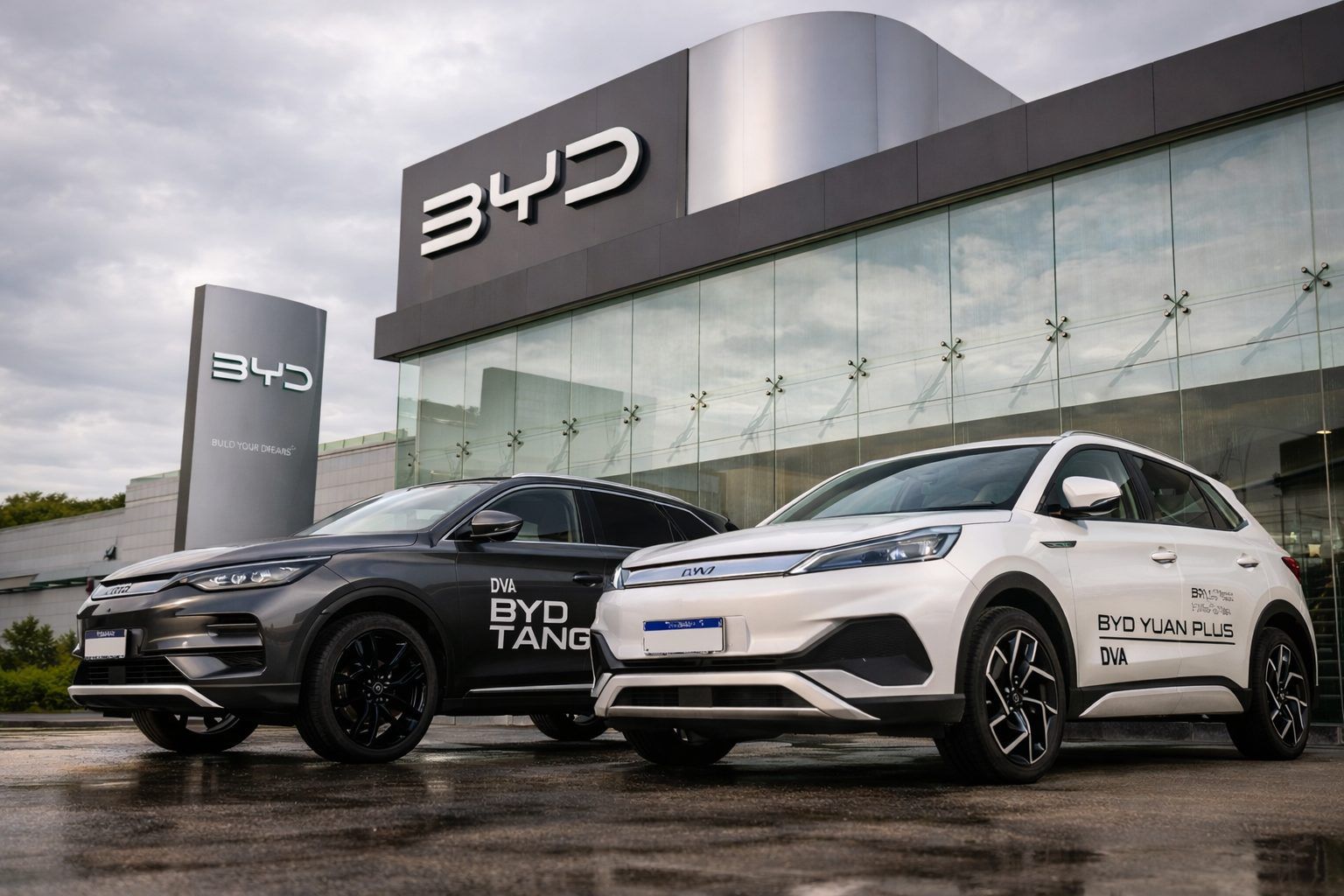
Shares of China’s BYD climbed up to 4.8% in Hong Kong on Tuesday. Xpeng jumped 5.3%, while SAIC Motor added 3.6%, following news that the European Commission is considering a minimum-price system to replace tariffs on China-built electric vehicles. This pricing mechanism would also cover EVs made in China by foreign automakers. Eugene Hsiao from Macquarie Capital described the move as “positive for developing better ties” between the EU and Chinese carmakers. The Business Times
The clash over electric-vehicle pricing has escalated into a key trade battle between Beijing and Brussels. Investors are paying close attention, since a settled price floor offers more predictability than a tariff slapped on imports repeatedly at the border.
This week, the Commission issued guidance on “price undertakings” — deals where exporters agree to minimum selling prices instead of facing tariffs, Reuters reported. The Commission insists these offers must neutralize subsidies and prevent “cross-compensation,” where profits shift between models to undercut price pledges. Minimum prices should be set by model and configuration, with hybrids flagged as a particular concern. Chinese hybrid imports to the EU surged fivefold in the first nine months of 2025 compared to the previous year. The Commission has also begun reviewing Volkswagen’s minimum-price and import-quota offer for the China-made Cupra Tavascan electric SUV. Reuters
The Commission said its guidance addresses minimum import price, sales channels, cross-compensation, and future EU investments. It added that offers will be evaluated “in an objective and fair manner” following World Trade Organization rules. Countervailing duties from 7.8% to 35.3% were slapped in October 2024 after an anti-subsidy probe into battery electric vehicles (BEVs), which run solely on electricity. Trade and Economic Security
European Commission spokesperson Olof Gill said Europe welcomes EVs “provided that they have come here according to that level playing field.” Rico Luman, senior economist at ING, noted minimum prices give Chinese brands “some comfort to continue their exports long term,” but cautioned the EU must weigh trade pressures against its dependence on Chinese batteries, rare earths, and chips. Stephen Chan, associate director at S&P Global Ratings, suggested demand might suffer if an approved floor price “significantly narrows the gap” between China-made BEVs and European competitors. AP News
Nio, the Chinese EV manufacturer expanding in Europe, confirmed it plans to push forward with its European operations. “We are pleased to see China and the EU making steady progress toward consensus on the basis of mutual respect,” the company said in a statement. Reuters
China’s regulators are pushing to temper the domestic market. Three government agencies have warned new energy vehicle makers—a broad category covering EVs and plug-in hybrids—to avoid “disorderly price wars” and encourage fair competition, according to a statement from the industry ministry. Reuters
But Brussels might set a floor price high enough to blunt Chinese brands’ main edge: lower prices. If negotiations bog down or the Commission turns down company proposals, tariffs will remain, and tensions could flare up in other trade areas once more.
Xpeng is targeting sales of 550,000 to 600,000 vehicles in 2026, according to Reuters, which cited a 36Kr report confirmed by a company insider. The Volkswagen-backed automaker is shifting focus to “physical AI” as it gears up for robotaxi trials on city streets and plans to begin mass production of humanoid robots later this year. Reuters
Investors are betting that Brussels and Beijing are aiming for a truce they can both sell domestically. The upcoming test is straightforward but crucial: will minimum import prices hold, and can volume caps and investment promises make the deal palatable for both camps?
Related articles: HKG:1211