WASHINGTON, Jan 15, 2026, 02:03 EST
- House fintech panel reviewed four draft bills touching earned wage access, AI model oversight and regulator technology
- Consumer advocates pressed for clearer protections as digital finance products spread beyond early adopters
- Fintech industry group urged a risk-based federal framework to cut through state-by-state rules
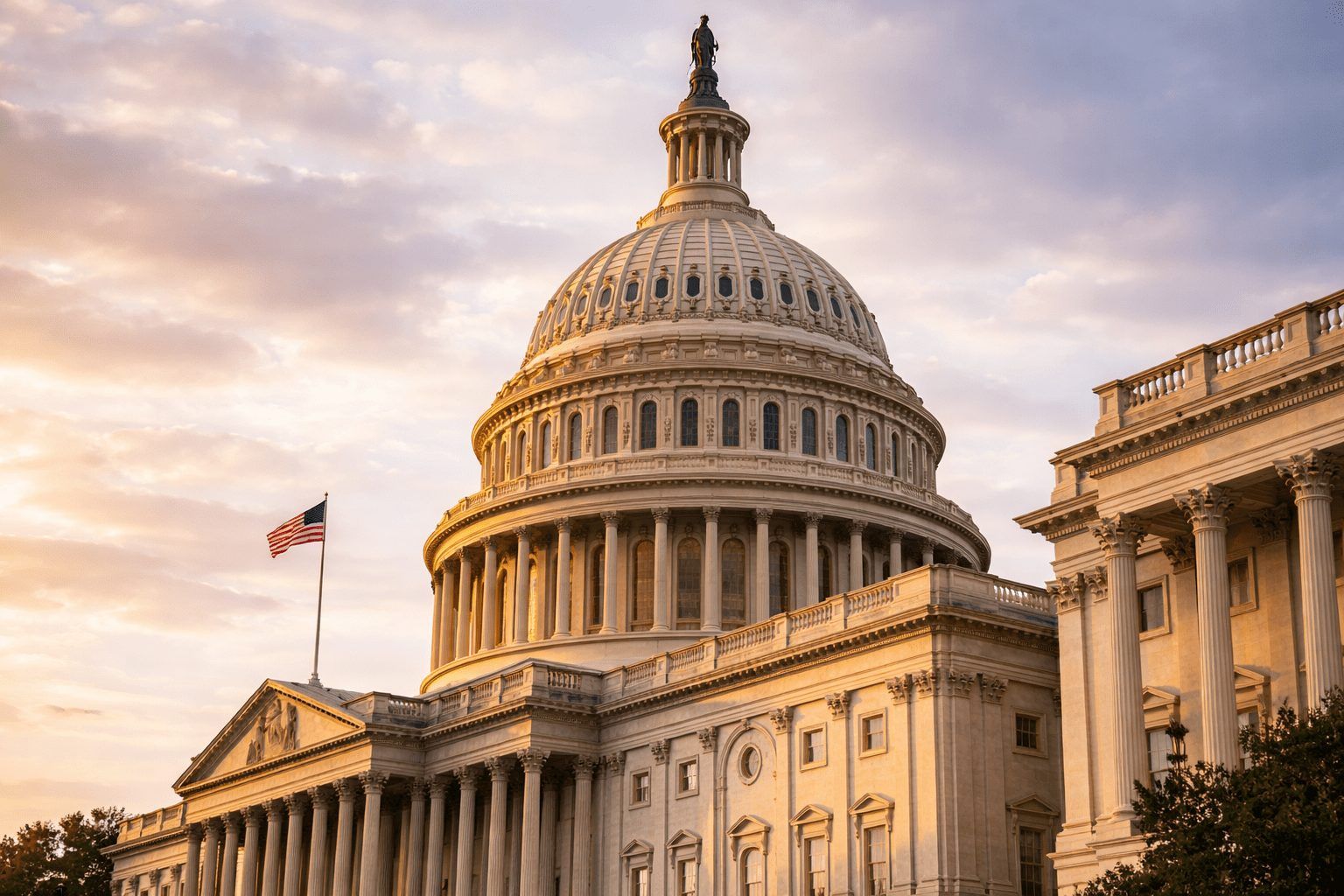
U.S. House lawmakers weighing a slate of draft fintech measures put buy-now-pay-later and earned wage access under scrutiny this week, as consumer advocates and industry groups argued over what guardrails should look like.
The push matters now because Washington is trying to catch up with products that have moved from side hustle to household tool, especially on the payment and short-term credit edge of the market. The American Fintech Council, a trade group for fintech firms and “innovative banks,” urged Congress to set a consistent, risk-based federal framework and to modernize oversight for bank-fintech partnerships, BNPL and earned wage access. “Consumers are clearly demanding modern financial tools that are transparent, flexible, and affordable,” the group’s chief executive Phil Goldfeder said. Fintech Council
A House Financial Services Committee summary of Tuesday’s hearing cast the debate as a balancing act: encourage innovation, but keep consumer protections firm. Subcommittee chair Bryan Steil said fintech products should have “clear, practical legal pathways” alongside “strong consumer protections,” while witnesses also pointed to the cost and friction of a patchwork of state rules for new entrants. Financial Services Committee
One of the flashpoints is buy-now-pay-later, or BNPL, a form of credit that is typically a four-payment, no-interest loan used to make retail purchases.
In a December market report, the Consumer Financial Protection Bureau said BNPL use kept rising between 2022 and 2023, with surveyed lenders reporting 53.6 million users in 2023, up 12% from 2022. BNPL users took an average of 6.3 loans per lender in 2023, the bureau said, an 11% increase from 2022, and the average annual dollar amount per user rose 14% to $848, inflation-adjusted.
Consumer Reports, in testimony submitted for the hearing, backed clearer rules but warned lawmakers not to confuse convenience with safety. “Consumers are not asking Congress to stop innovation. They are asking for rules of the road,” said Delicia Reynolds Hand, a senior director at the nonprofit. She flagged earned wage access products — services that let workers tap wages before payday — as an area where fees and “tips” can add up fast, with some direct-to-consumer offerings producing effective annual percentage rates well above 300% when annualized for frequent users, and in some cases exceeding 1,000%. House Documents
The hearing notice covered four discussion drafts: an earned wage access consumer protection proposal, the FUTURES Act on supervisory technology, a Financial Services Innovation Act focused on regulatory “innovation offices,” and a bill to modernize model risk management guidance for activities that use artificial intelligence. A committee memo described the earned wage access draft as clarifying that earned wages provided through EWA products are not “credit,” and that certain fees or tips are not “finance charges,” while the model risk bill would push regulators to clarify how existing guidance applies to AI-heavy activities.
Beyond the headline products, the argument is also about who writes the rules. Consumer advocates have warned that broad federal preemption can tie states’ hands when products evolve or new fee structures appear. Industry groups have pushed the opposite way, saying state-by-state licensing and compliance is expensive and slows rollouts.
The competitive stakes are real, too. BNPL competes with credit cards at checkout, while earned wage access is often pitched as an alternative to overdrafts or other short-term borrowing that can be costly in its own ways.
Still, the bills are drafts, and the hard parts are the definitions. If Congress can’t agree on when an “advance” becomes credit, or how far federal rules should override state consumer laws, the result could be a framework that is either too thin to matter or too rigid for products that change every year.
For now, the hearing showed where the lines are forming: consumer groups want cost and dispute protections that travel with the product, and the fintech lobby wants a single set of federal rules that keeps bank partnerships and new apps from getting stuck in 50 different compliance lanes.