New York, Jan 15, 2026, 06:49 EST — Premarket
- Brent and WTI slid more than 4% as fears of an Iran supply shock eased.
- U.S. oil majors that climbed with crude on Wednesday were lower in early trade indications.
- Traders are watching U.S. inventories and Washington’s next moves on Venezuela licenses.
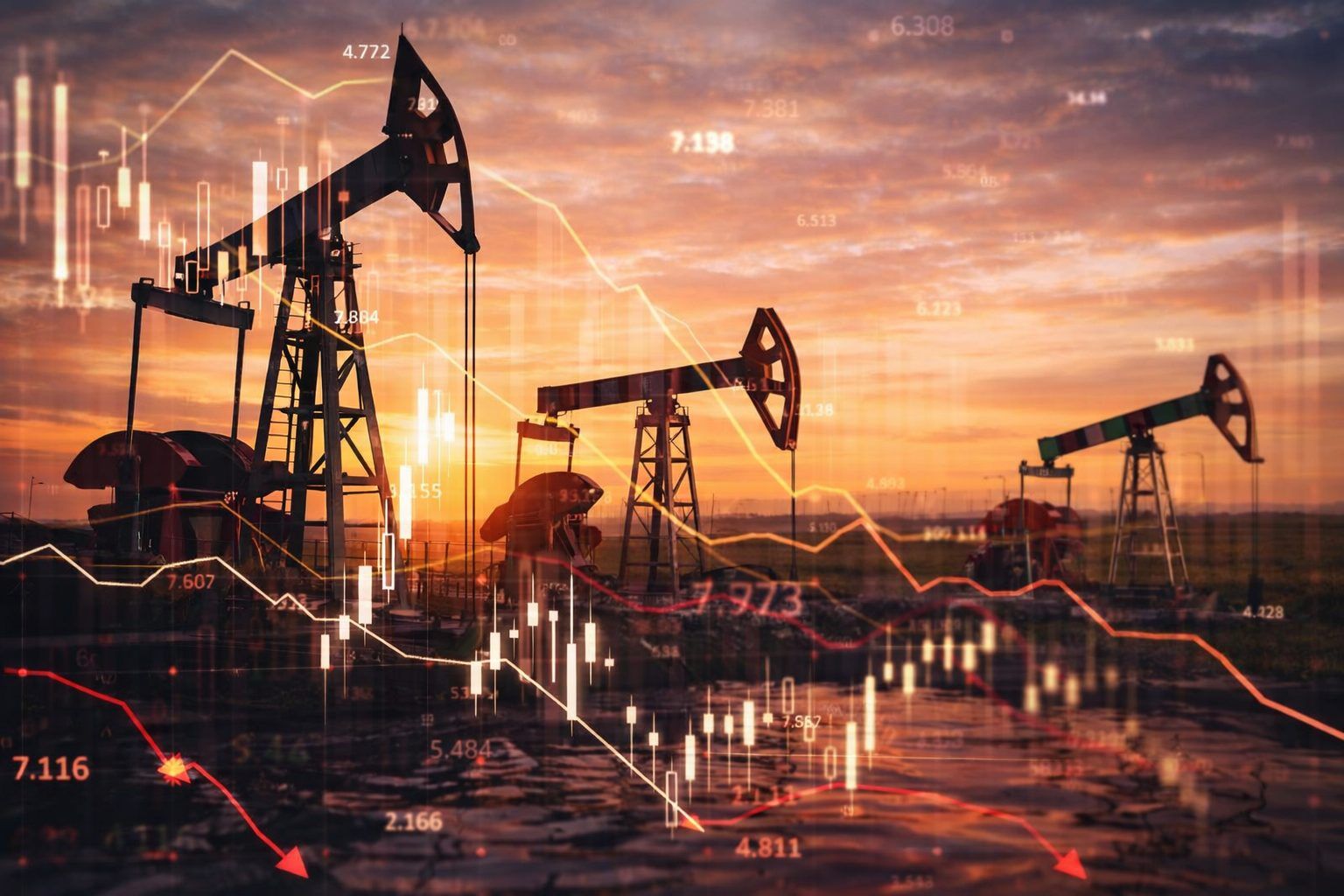
Oil prices fell more than 4% on Thursday after U.S. President Donald Trump said killings of protesters in Iran were ending, cooling fears of U.S. military action that could disrupt supply. Brent, the global benchmark, was down $2.84, or 4.27%, at $63.68 a barrel, while U.S. West Texas Intermediate (WTI) fell $2.68, or 4.32%, to $59.34 by 1012 GMT.
The pullback comes after a jittery run where traders tried to price a “geopolitical trifecta” at once — Venezuela, Iran and the Black Sea — even as the market kept bumping into oversupply worries. Drones hit two oil tankers in the Black Sea on Tuesday, including one chartered by Chevron, raising fresh questions over flows tied to Kazakhstan’s main export route. Reuters
U.S. inventory data added weight. The U.S. Energy Information Administration (EIA) reported crude stocks rose by 3.4 million barrels to 422.4 million barrels last week, while gasoline inventories jumped by 9 million barrels, far above expectations in a Reuters poll; Price Futures Group’s Phil Flynn said oil “plummeted really quickly” after Trump’s comments. Reuters
Energy shares had moved the other way in the prior session as crude climbed earlier on supply fears. ConocoPhillips rose 4.02% to close at $100.34 on Wednesday, while Exxon Mobil gained 2.89% to $130.20 and Chevron added 2.06% to $167.24.
Early indications flipped with the oil tape. Chevron was down 0.6% and Exxon slipped about 0.7% in premarket trading, according to Barron’s, as traders pared bets that Iran headlines would turn into actual barrels lost.
Venezuela is the other supply lever traders keep circling. The United States has completed the first sales of Venezuelan oil tied to a $2 billion deal with Caracas, with the initial cargoes valued around $500 million and more sales expected in the coming days and weeks, a U.S. official said.
For Chevron, the Venezuela story is also company-specific. The U.S. major is expected to receive an expanded Venezuela license “this week” that could allow increased production and exports, three oil industry sources said; the company is currently producing about 240,000 barrels per day (bpd) there under a restricted authorization. Reuters
Exxon is also moving on the refining side. The company is preparing to run Venezuelan crude at its 522,500-bpd Baton Rouge refinery, people familiar with plant operations said, returning to a heavy sour grade — denser and higher-sulfur crude — it has not processed since sanctions were imposed.
On the broader balance, OPEC — the Organization of the Petroleum Exporting Countries — forecast 1.34 million bpd of demand growth in 2027 and pointed to near balance in 2026, a view that clashes with bigger-surplus projections from the International Energy Agency (IEA). OPEC+ — OPEC and allies including Russia — plans to pause production hikes in the first quarter of 2026, while the IEA is due to update its figures on Jan. 21.
Demand data out of China offered a counterweight to the bearish inventory prints. China’s crude imports rose 17% from a year earlier in December and hit record highs for both December and full-year 2025 daily volumes, with Rystad Energy’s Ye Lin saying “energy security is the primary driver” of China’s stockpiling. Reuters
But Thursday’s selloff does not close the book on Iran. Iran exports around 2 million barrels a day and sits astride the Strait of Hormuz, a chokepoint for global oil shipments, leaving the market vulnerable to another spike if tensions reignite or flows get pinched.
Next up, traders will look for confirmation from U.S. stockpile data: the EIA’s next weekly petroleum report is scheduled for Jan. 22. The market will also track any U.S. decisions on Venezuela licensing and fresh signals from Washington and Tehran that change the risk calculus again.