
New York, Jan 15, 2026, 10:47 AM EST — Regular session
- Rivian shares edge lower in early Thursday trade after two analyst downgrades this week
- Bears say autonomy and R2 optimism may be ahead of near-term results
- Next earnings update is the nearest hard catalyst on the calendar
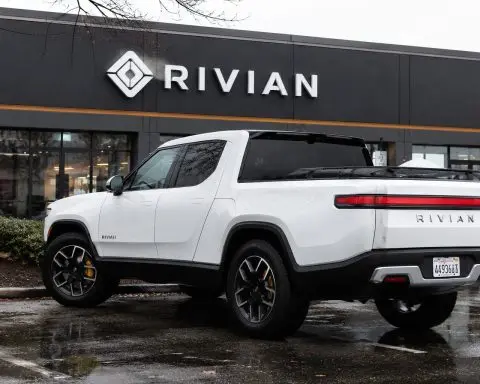
Shares of Rivian Automotive, Inc NASDAQ:RIVN fell about 1.1% to $17.32 in morning trade on Thursday, extending losses after a pair of analyst downgrades this week. The stock ended Wednesday down 7.2% at $17.50 and is still up about 44% over the past four months.
Wolfe Research analyst Emmanuel Rosner cut Rivian to sell, arguing it needs a stronger AI push — closer to Tesla’s playbook — if it wants to justify the valuation. He set a $16 price target and warned of a near-term “catalyst vacuum.” Barron’s
UBS followed with a downgrade to sell from neutral and a $15 price target, saying shares have climbed about 15% since the company’s Autonomy and AI Day in December and the rally was driven “more by sentiment than fundamentals.” UBS said point-to-point autonomy — where the car drives itself from start to finish — is not expected until the second half of 2026, with “eyes-off” functionality pushed to 2027. It also flagged tougher odds for licensing opportunities after Nvidia released an open-source autonomous model and Ford said it built its own Level 3 system in-house. Investing.com
On Wall Street, a price target is an analyst’s estimate of where a stock should trade over roughly the next year. A sell rating is shorthand for expecting the shares to lag peers, not a judgement on whether the product is compelling.
Rivian this week named Greg Revelle chief customer officer, putting him in charge of sales, marketing and operations ahead of the midsize R2 SUV launch. The company said first deliveries of the R2 are slated for the first half of 2026, while some new autonomy hardware is expected to reach the model toward the end of 2026. CEO RJ Scaringe said Revelle brings “deep experience across eCommerce, marketing and automotive,” and Revelle cited Rivian’s “commitment to AI and software-defined vehicles.” WardsAuto
For investors, the near-term problem is timing. Rivian has been trading like a software story, but the next real volume test still sits with the R2.
But the setup cuts both ways. A smooth R2 rollout, stronger demand than the banks model, or quicker progress turning driver-assist features into paid software could blunt the bear case; delays or cost surprises would do the opposite.
Rivian is due to report fourth-quarter and full-year 2025 results on Feb. 12 after market close. The company said it produced 10,974 vehicles and delivered 9,745 in the fourth quarter, and produced 42,284 and delivered 42,247 vehicles in 2025. Traders will watch cash burn, gross margin trends and any change to the R2 schedule.
Related articles: NASDAQ:RIVN