
New York, Jan 21, 2026, 08:06 ET — Premarket
- Delta stock is rebounding after a steep decline on Tuesday when markets shifted toward risk aversion.
- Traders are closely tracking peer earnings for clues on premium demand and loyalty revenue.
- Winter weather and renewed chatter about fresh fare “unbundling” are stirring up short-term noise.
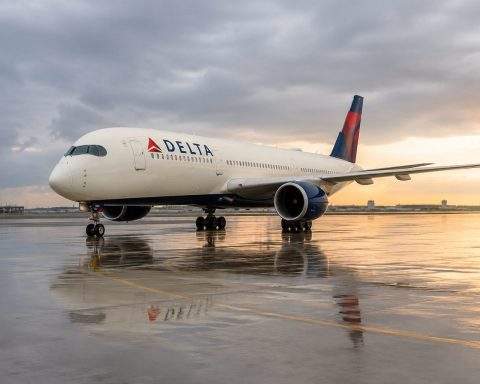
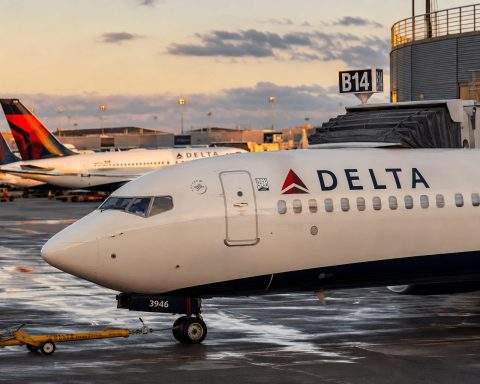
Delta Air Lines shares, which fell 4.2% to close at $67.46 on Tuesday, looked poised for a volatile start to Wednesday’s session, adding to the pressure on travel and leisure stocks.
This shift is crucial now, with airlines caught between consumer spending trends and fluctuating fuel prices. Investors are wrestling with whether luxury travel demand will stay resilient amid turbulent macroeconomic news.
Tuesday’s sell-off hit broad sectors. Investors pulled back from stocks and risky assets after U.S. President Donald Trump renewed tariff threats targeting Europe over Greenland. The Dow, S&P 500, and Nasdaq all logged their worst daily drops since Oct. 10, according to a Reuters market wrap. “The geopolitical risks… are re-emerging and are shifting market perceptions,” said Wasif Latif, chief investment officer at Sarmaya Partners, in remarks to Reuters. Reuters
Airline stocks followed the broader market lower. United Airlines slid 4.34%, American Airlines lost 3.77%, and Southwest Airlines declined 1.72%, highlighting a swift shift in investor sentiment against the sector.
Delta threw a curveball early Wednesday, alerting customers to potential disruptions and allowing fee-free changes as freezing rain and ice were forecast across Texas, the Southeast—including its Atlanta hub—and up into the Northeast over the coming days.
A fresh debate on pricing strategy emerged after Travel + Leisure revealed that Delta aims to roll out its “Basic/Classic/Extra” benefit tiers to premium cabins. This move would allow passengers in first-class and business to swap perks—such as free cancellations and earning loyalty points—for cheaper tickets. Joe Esposito, Delta’s executive vice president, emphasized caution: “We’ve been incredibly thoughtful about not going too fast.” Travel + Leisure
“Unbundling” — separating the seat from its perks — might stretch price ranges without boosting capacity. But it risks alienating frequent flyers who may find the bare-bones option unappealing, or triggering discounts in cabins Delta relies on for profit.
United lifted sector sentiment late in the session. The airline projected first-quarter adjusted profits that surpassed analysts’ estimates and reported a 9% rise in premium revenue alongside a 10% jump in loyalty revenue for the December quarter. Shares climbed 4.2% in after-hours trading. CEO Scott Kirby commented, “Our results are built on winning more and more brand-loyal customers.” Reuters
Last week, Delta projected roughly 20% earnings growth for 2026 and revealed that premium-cabin revenue surpassed main-cabin revenue for the first time in Q4. The airline also placed an order for Boeing 787-10 jets to boost its long-haul capacity, Reuters reported.
The downside scenario is straightforward. Should tariff threats turn into actual policy and confidence falters, bookings and fares could drop sharply; combine that with widespread storm-related cancellations, and costs climb even as revenue declines.
Investors will soon turn to peer earnings for clues, with American Airlines scheduled to report on Jan. 27. Meanwhile, any early word from Delta about how extensive their weather-related schedule cuts are could move the stock.
Related articles: NYSE:DAL