New York, January 21, 2026, 09:44 (ET) — Regular session.
- Tesla shares dropped roughly 4% in early trading
- Musk warns the first Cybercab robotaxi and Optimus production will crawl—“agonizingly slow,” he says
- Investors are eyeing Jan. 28 earnings for clues on margins, spending, and autonomy timelines
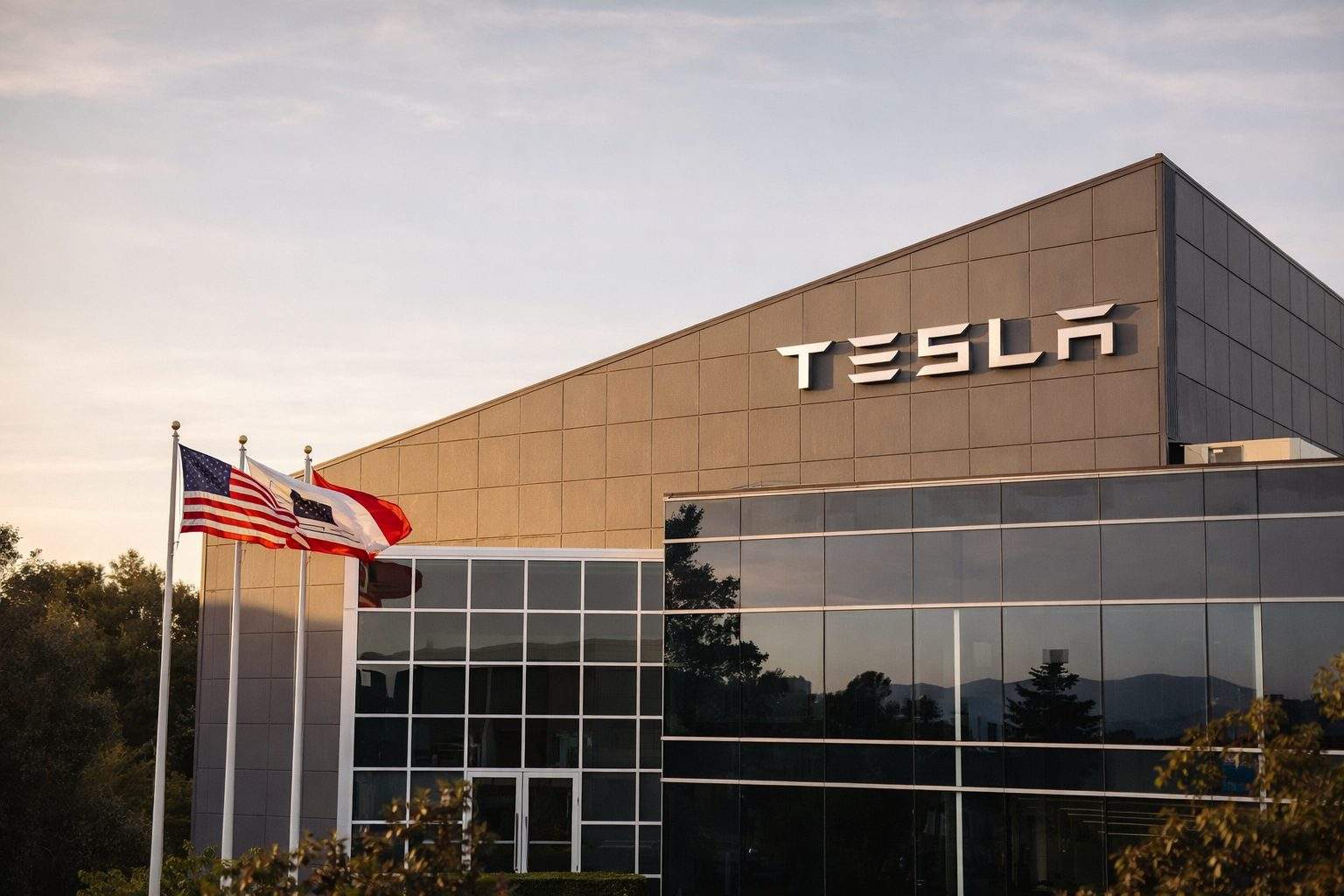
Tesla (TSLA) shares dropped 4.2% to $419.25 in early Wednesday trading after CEO Elon Musk warned that initial production of the Cybercab robotaxi and Optimus humanoid robot would be “agonizingly slow” before picking up pace. The company, valued around $1.39 trillion, has pinned much of its future on these ambitious projects to shift investor perception beyond just electric vehicles. Musk explained on X that production speed slows as new parts and processes are introduced; the Cybercab is a two-seater lacking manual controls, with Tesla aiming for volume production by 2026 while testing robotaxi service in Austin using a version of its Full Self-Driving software. Reuters
That choice of words is critical since the stock’s premium hinges on timing. When Musk expresses caution about the ramp-up, it signals a warning: the next phase remains mostly about engineering, not revenue.
Tesla has urged investors to ignore the weaker EV market and zero in on its software and automation segments, though those remain relatively minor. Shares have been volatile ahead of the upcoming earnings report, with traders ready to sell off at the slightest sign of delayed timelines.
Cost-cutting is back in focus in Europe. Tesla has trimmed about 1,700 jobs at its Berlin gigafactory, Handelsblatt reported, citing an internal document linked to works council elections. The plant now employs 10,703 people. A Tesla spokesperson didn’t immediately respond to requests for comment. Back in April 2024, Musk told employees the company planned to slash over 10% of its global workforce to boost productivity and cut costs.
The broader market wasn’t much kinder. Tesla, part of the “Magnificent Seven” tech giants, dipped Tuesday as President Donald Trump’s tariff threats sparked a risk-off mood. Investors turned to safe havens like gold and silver. Wedbush analysts, led by Dan Ives, called the pullback a buying opportunity for “tech winners” in 2026. UBS, meanwhile, stuck to its bullish stance on global equities despite the volatility. Investopedia
Musk has turned the spotlight back to compute. He mentioned that Tesla aims to bring Dojo3 back to life for “space-based AI compute,” TechCrunch reports. TechCrunch
Tesla reported delivering more than 418,000 vehicles in Q4 and deployed 14.2 gigawatt-hours (GWh) of energy storage products. (One GWh equals a billion watt-hours.) The company plans to release its quarterly results after the market closes on Jan. 28, followed by a Q&A webcast at 5:30 p.m. Eastern.
Investors dialed in will push for details on automotive margins and pricing, seeking signs that cost-cutting measures are reflecting in the results. They’ll also demand specifics on Cybercab and Optimus — exact timelines, capacity figures, and the key factors that need to align.
The downside is clear. U.S. auto safety regulators have pushed back Tesla’s deadline to respond in their probe about possible traffic law violations while Full Self-Driving was active, now set for Feb. 23. Increased scrutiny could throw a wrench in Tesla’s plans to roll out robotaxis on a larger scale.
The stock is currently caught between ambition and execution. The next trigger point: Tesla’s Jan. 28 earnings report, which will shed light — or not — on Cybercab, Optimus, and Full Self-Driving.