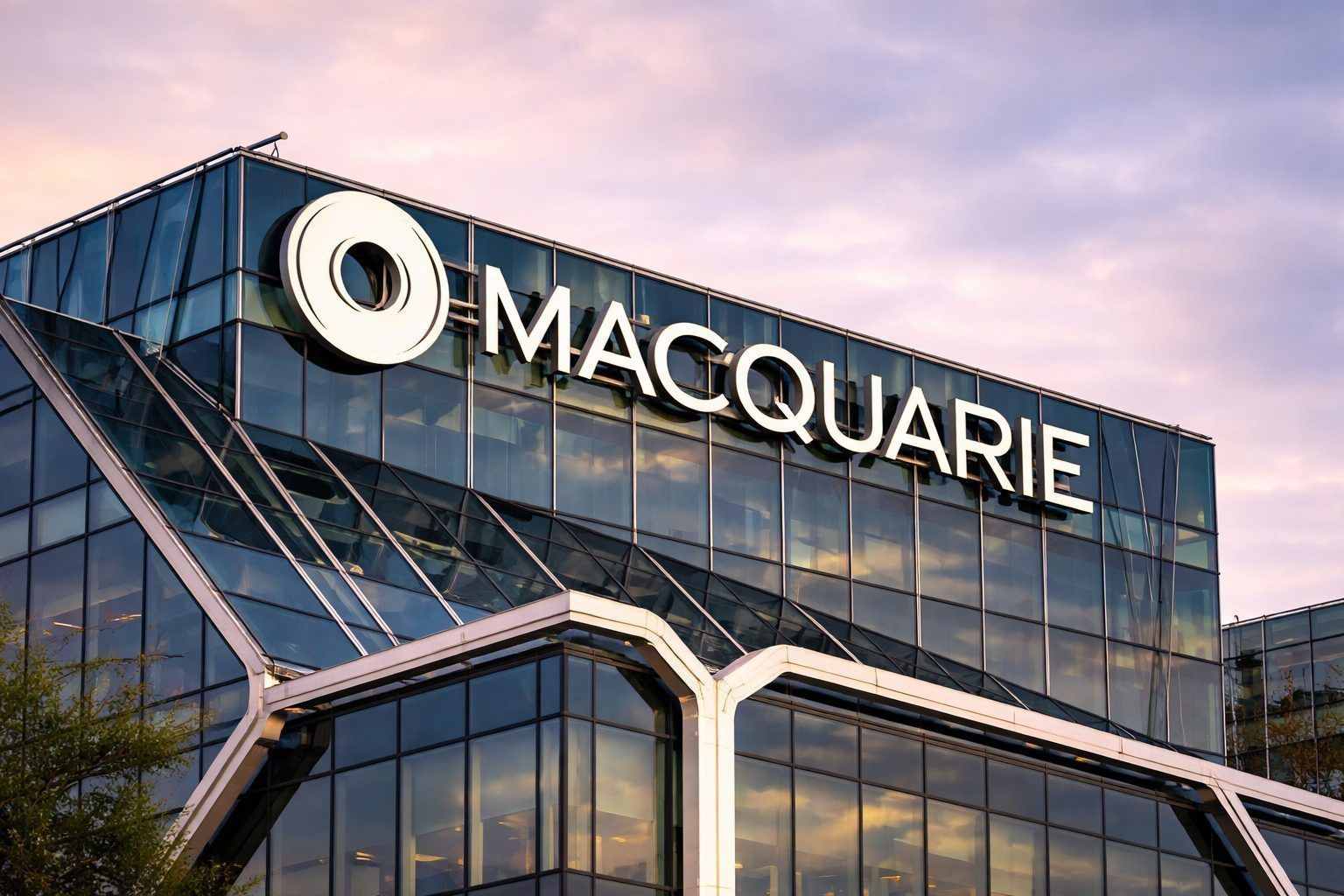

Sydney, Jan 22, 2026, 17:38 AEDT — Market closed.
- Macquarie Group ASX:MQG climbed 2.4%, closing at A$210.87.
- The company pushed its on-market share buyback deadline to Nov. 6, 2026, having completed roughly A$1.013 billion so far.
- Traders are focused on the inflation figures due Jan. 28 and the RBA’s rate decision on Feb. 3.
Macquarie Group shares ended a three-day losing streak on Thursday, climbing 2.4% to close at A$210.87. The uptick came as bank stocks gained ground following a better-than-expected jobs report.
The bounce is significant as MQG is back in play on the rate outlook. When investors bet on “higher rates for longer,” financial stocks typically get a boost, and Macquarie tends to follow suit.
It’s a balancing act: rising rates boost a lender’s earnings potential but also push up funding costs and pressure asset values. For Macquarie, a hybrid of bank, markets, and asset management, the impact isn’t straightforward.
Macquarie has extended its on-market share buyback program, now set to run through Nov. 6, 2026. The company plans to resume buying shares from Feb. 5, 2026, aiming to repurchase up to A$2 billion in ordinary shares. According to the latest filing, about A$1.013 billion had already been bought back as of Jan. 20.
The key macro update came mid-session. Australia’s unemployment rate dropped to 4.1% in December, with employment increasing by roughly 65,000, according to the Australian Bureau of Statistics. ABS head of labour statistics Sean Crick noted that a rise in jobs for 15–24 year olds played a big role in boosting employment.
Rates traders reacted quickly. Money markets now price in about a 57% chance of a 25 basis point hike — that’s 0.25 percentage points — at the Reserve Bank of Australia’s Feb. 3 meeting, a sharp jump from before the latest data, Reuters reported. The cash rate stands at 3.6%. UBS economists warned the labour market “needs to ease” to ease inflationary pressures, but “it’s going the wrong way.” Meanwhile, Oxford Economics Australia’s Harry Murphy Cruise pointed to 3.2% trimmed mean inflation—a core measure excluding volatile price swings—as the crucial figure in the December-quarter CPI report due Jan. 28. Reuters
Macquarie wasn’t the only gainer. National Australia Bank climbed roughly 2.5%, Commonwealth Bank added 1.6%, and Westpac rose about 1.1% near midday. MQG was up close to 2.4% at the same point.
Macquarie isn’t just a straightforward retail-bank play, and investors get that. Its profits fluctuate with commodity prices and financial markets, while its deal flow hinges entirely on confidence.
Thursday served as a reminder: when Australia shifts rates, MQG tends to move alongside — at least on the surface — even if the deeper factors aren’t so clear-cut.
The risk is clear. Jobs data often fluctuate and get revised, while next week’s inflation figures could upend the rate-hike play if they disappoint.
Traders are zeroing in on the Dec.-quarter CPI set for Jan. 28, the RBA’s decision on Feb. 3, and Macquarie’s planned buyback restart on Feb. 5 for the upcoming session and week.
Related articles: ASX:MQG